What Is a Credit Card Machine? An Essential Guide for Businesses
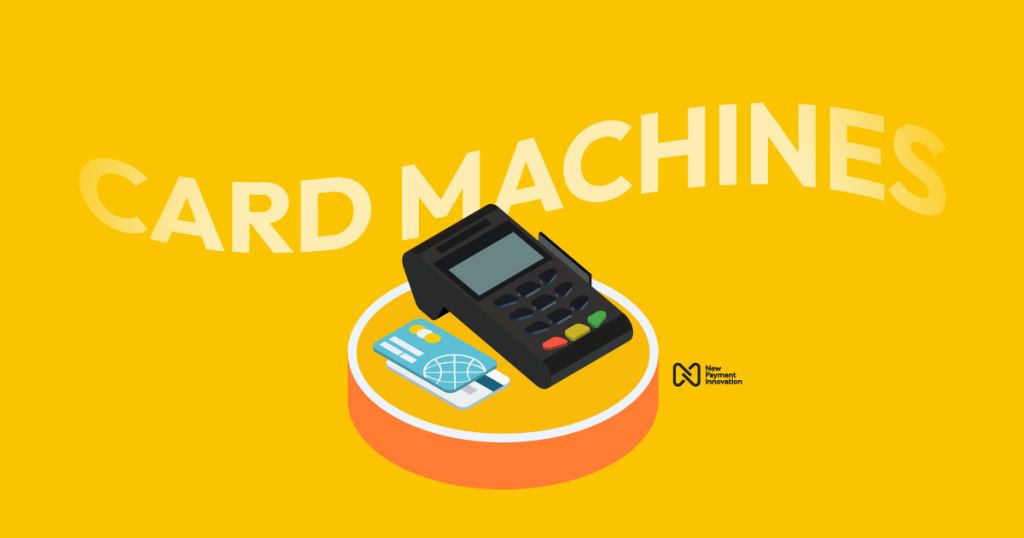
A card machine, often known as a point of sale (POS) terminal, plays a crucial role in efficiently processing customer payments for businesses. These devices establish a connection with a bank or credit card processor through a phone line or the internet. The primary purpose of a card machine is to make cashless transactions straightforward by reading the information encoded on a customer’s credit or debit card’s magnetic stripe.
Overall, card machines simplify the process of accepting debit and credit card payments, providing a seamless experience for both businesses and their customers. These devices have become an integral part of modern commerce, allowing businesses to embrace cashless transactions, enhance customer convenience, and streamline their financial operations.
To learn more about NPI’s card machines and other payment solutions, give us a call at 01 44 75299 or fill out the free contact form.
Contents
What Is a Credit Card Machine?
A card machine, also known as a point of sale (POS) terminal, is a device designed to process customer payments. Typically, these machines are connected to an electrical outlet and communicate with a bank or credit card processor through a phone line or an Internet connection.
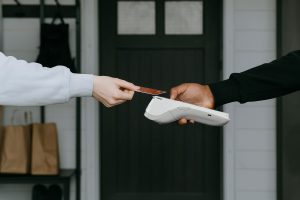
To complete a payment, the customer will swipe or tap their credit or debit card at the card reader, which reads the information from the card’s magnetic stripe. Next, this information is then transmitted to the processor, who verifies the account’s validity and the availability of sufficient funds. Once the transaction is approved, the funds are transferred from the customer’s account to the merchant’s account, and a receipt is printed.
Needless to say, card machines are a crucial part of doing business in 2023. In 2022, the value of card payments exceeded those of cash, with contactless card payments accounting for 62% of all card payments.
How Card Machines Work
Debit and credit card machines, often referred to as point of sale (POS) terminals, are the backbone of cashless transactions for businesses. These devices are designed to efficiently process customer payments. Here’s how they work:
1. Card Reading
When a customer makes a payment using their credit or debit card, they swipe or insert the card into the card machine. The machine’s card reader then decodes the information stored on the card’s magnetic stripe.
2. Data Transmission
Once the card reader captures the card’s data, it securely transmits this information to a connected bank or credit card processor. This communication can happen through various means, such as a phone line or an internet connection.
3. Verification
The bank or processor that receives the card data performs a series of checks. It verifies whether the card is valid and if the customer has sufficient funds to cover the transaction.
4. Transaction Approval
If the checks are successful and the transaction is approved, the bank or processor gives the green light. This means the customer’s account will be debited, and the funds will be transferred to the merchant’s account.
5. Receipt Generation
Once the transaction is approved, the card machine typically prints a receipt for the customer. This receipt serves as proof of the transaction and includes essential details like the transaction amount, date, and merchant information.
What Types of Card Machines Exist?
There are many different types of card machines, each with its own features and benefits, including:
POS Terminals
The most common type of card machine is the wired point-of-sale (POS) terminal, which can be used to process in-person transactions. This type of card machine stays in one place, like a grocery checkout lane or a bar or pub counter.
Portable Card Machines
Wireless portable card machines connect via Wi-Fi and are smaller devices. This allows merchants to take payments from anywhere onsite. Mobile card machines from NPI connect with a built-in 4G SIM card, so you can take payments anywhere. This is perfect for fast food trucks, travelling dog groomers, taxi drivers, and other merchants who sell on the go.
Each type of card machine has its own set of features and benefits, so it’s important to choose the right one for your business.
How to Find the Best Card Machine for Your Business
If you’re looking for a card machine for your business, there are a few things to keep in mind.
First, you’ll want to make sure that the machine accepts the type of cards that your customers use. This will facilitate easy and convenient payments for better customer retention.
Take time to investigate any associated fees that come with the card machine. Specifically, check out transaction fees and rental/purchase fees. (Hint: NPI has the lowest transaction fees in Ireland).
Don’t underestimate the importance of good customer service when you’re looking for a card machine. Ideally, you’ll get 24/7 support so that any issues that arise can be fixed immediately.
Contact NPI Today
Explore the NPI difference by getting in touch with our expert team. We’re here to provide guidance, valuable insights, and tailored solutions that align with your unique needs and goals. Reach out to us at 014475299 or fill out the contact form and one of our payment gurus will get back to you.
What is a Credit Card Machine: FAQs
What is the difference between a card reader and a card machine?
Although some people may use the terms ‘card reader’ and ‘card machine’ interchangeably, there can sometimes be a slight different between the capabilities of both devices.
Card readers “read” the information on a customer’s card before passing their data to the connected device, whereas a card machine is a device that can do everything.
Do credit card machines need a phone line?
Typically, credit card machines need to be connected via either a phone line or an internet connection so that they can send data for processing and authorisation.
What are the different names for card machines?
There are various names for card machines, including:
- POS Terminals
- Chip & Pin Machines
- PDQs (Process Data Quickly)
- Card Readers