
How Irish Market Traders Can Offset Mobile Payment Processing Fees Without Raising Prices
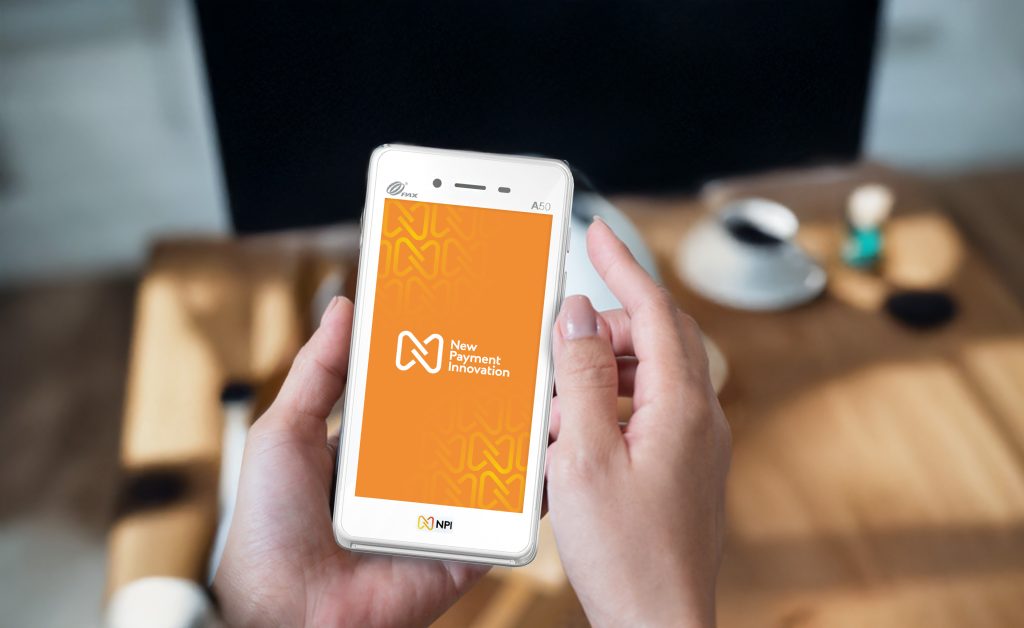
Offset mobile payment processing fees Ireland market traders face without raising your prices – this is the challenge I witnessed firsthand with Deirdre on a brisk Saturday morning at the Limerick Milk Market. Her handcrafted pottery was drawing admiring crowds, but as customers reached for their cards to pay, I noticed her growing concern with each transaction.
“These processing fees are killing my margins,” she confided later over coffee. “I don’t want to raise my prices—my customers already tell me they appreciate my fair pricing—but I’m losing almost 2% on every sale.”
Deirdre’s challenge is one faced by market traders, craft fair vendors, and pop-up shop owners across Ireland. Mobile payment solutions have become essential in our increasingly cashless society, but the processing fees can take a significant bite out of already-tight profit margins.
The good news? This comprehensive guide explores 7 practical strategies to offset mobile payment processing fees Ireland traders are successfully implementing across markets nationwide. This guide explores practical approaches that Irish market traders are successfully using to maintain their margins while embracing mobile payments.
Understanding the True Cost of Mobile Payment Processing in Ireland
Market traders across Ireland are seeking effective ways to offset mobile payment processing fees in Ireland without compromising customer experience. Before diving into solutions, let’s clarify what we’re dealing with. For Irish market traders, mobile payment processing fees typically include:
Why Irish Traders Need to Offset Mobile Payment Processing Fees in Ireland
Most mobile payment providers in Ireland charge between 1.5% and 2.75% per transaction. For higher-volume businesses, this can equate to hundreds of euros monthly. According to New Payment Innovation’s research on transaction fees, the average Irish market trader spends €720-€1,200 annually on processing fees alone.
As Sean O’Brien, who sells artisanal cheese at markets across Cork and Kerry, explains: “I average about €4,000 in monthly card sales. At 1.75%, that’s €70 gone every month—enough to cover my stall fee at one of my regular markets.”
Additional Charges
Beyond the basic percentage, traders may encounter:
- Monthly subscription fees: Some providers charge €15-€30 monthly for their service
- Minimum processing fees: Requirements to process a minimum amount or pay a shortfall fee
- Currency conversion charges: Extra fees when accepting payments from international cards (common at tourist-heavy markets)
- Chargeback fees: Penalties when customers dispute charges (typically €15-€25 per incident)
The Hidden Costs
Don’t forget less obvious expenses:
- Device replacement costs: Most mobile card readers need replacing every 2-3 years
- Battery packs and accessories: Necessary for full-day trading
- Data charges: If using your phone’s data plan to process payments
For Niamh Donovan, who sells handmade jewelry at markets throughout Galway, these costs add up: “Between the percentage fees, monthly subscription, and having to replace my card reader when it broke, I calculated I was spending over €1,200 annually just to accept cards.”
Proven Strategies to Offset Mobile Payment Processing Fees in Ireland
When researching ways to offset mobile payment processing fees Ireland market traders face, we discovered several approaches that don’t require raising prices. Now for the good news—practical tactics that real Irish market traders use to absorb these costs without raising their prices:
1. Optimize Your Product Mix and Pricing Structure
This doesn’t mean raising prices across the board, but rather strategically adjusting your offering.
Introduce premium options
Cathal Murray sells handcrafted wooden kitchen items at markets in Dublin and Wicklow. “I added a premium line of custom-engraved items with wider margins,” he explains. “These products have higher perceived value, and customers are happy to pay more for personalization. This subsidizes my standard products, which I’ve kept at the same price point.”
Bundle products intelligently
“I used to sell individual jars of jam for €5,” says Mary Brennan, who sells preserves at the Wexford Farmers’ Market. “Now I offer three for €14. My cost per jar is lower when producing in bigger batches, so my margins actually improve despite offering the bundle ‘discount.’ Plus, my average transaction value has increased by almost 40%.”
Create strategic price points
Review your pricing structure to account for processing fees. For example, if you’re selling items at €10 with a 2% processing fee, consider adjusting to €9.80 or €10.20 rather than exactly €10. The slight adjustment can help offset fees while remaining psychologically appealing to customers.
2. Reduce Other Operating Costs to Compensate
If payment processing is taking a bigger bite, look for other areas where you can trim expenses.
Packaging and materials
Aoife Lynch, who sells handmade candles at markets across Ireland, found significant savings in her packaging: “I switched to simpler, eco-friendly packaging that actually costs less. Customers appreciate the sustainability aspect, and I’ve saved enough to cover about half my monthly processing fees.”
Shared resources with other vendors
“Three of us who regularly attend the same markets now share transport costs,” explains Patrick Doyle, a vintage book seller from Kilkenny. “We split the van rental and fuel three ways, saving me about €120 monthly—more than covering my card processing fees.”
Marketing efficiency
Review your marketing spend and focus on higher-ROI activities. Many traders find that targeted social media posts and email marketing to past customers are more cost-effective than paid advertising.
3. Increase Average Transaction Value
Rather than raising individual prices, focus on getting customers to spend more per transaction.
Master the art of upselling
“When someone buys one of my scarves, I always mention our matching gloves or hats,” says Sinead Murphy, who sells knitwear at markets in Cork. “About 30% of customers add something to their purchase, which more than covers the processing fee on the entire sale.”
Create logical add-ons
Develop complementary products specifically designed as add-on purchases. For example, if you sell homemade sauces, offer recipe cards or complementary spice mixes that enhance your main products.
Implement minimum card payment thresholds
While you can’t refuse small card payments under Irish consumer protection regulations, you can gently encourage larger transactions by clearly displaying a reasonable minimum card payment amount (€5-€10 is typical).
“I have a small sign saying ‘Card payments preferred for purchases over €10’ next to my card reader,” says Liam Connolly, who sells garden plants at markets in the Midlands. “Most people either add another small plant to reach the threshold or happily pay by card anyway—but it does nudge some toward slightly larger purchases.”
4. Implement a Customer Loyalty Program
Loyalty programs can offset processing fees by increasing customer lifetime value.
Simple stamp cards
“I use a basic stamp card—buy six bars, get one free,” explains Fiona Walsh, who makes artisanal soap. “It costs me practically nothing to implement, but my return customer rate has increased by about 35%. The additional purchases easily offset processing fees, plus customers love it.”
Digital loyalty through your payment system
Many mobile payment systems now offer integrated loyalty features that capture customer emails and track purchases automatically. This eliminates the need for physical cards and provides valuable customer data.
Membership benefits
Consider a membership program where regular customers pay a small annual fee (€15-€25) for benefits like early access to new products, small discounts, or exclusive items. The membership fees can help offset processing costs across all sales.
5. Negotiate Better Rates with Payment Providers
Don’t assume the advertised rate is the only option.
Shop around regularly
“I check competitor rates every six months,” says Michael O’Sullivan, who sells artisanal bread at markets in Dublin. “Last year, I mentioned to my provider that I was considering switching to a competitor offering 1.55% instead of my current 1.75%. They matched it immediately, saving me about €90 annually.”
At New Payment Innovation, we help Irish market traders compare rates from multiple providers to ensure they’re getting the best possible deal. Our free payment processing comparison tool can help you identify potential savings.
Leverage seasonal volume
If your business is seasonal (like Christmas markets or summer festivals), negotiate temporary rate reductions during your high-volume periods.
Consider flat-fee providers for high-volume days
Some providers offer daily flat-fee options rather than percentage-based fees. These can be advantageous on high-volume days.
6. Streamline Your Operations with Technology
The right technology can create efficiencies that offset processing fees.
Inventory management integration
“My mobile payment system links to my inventory tracker,” explains Claire Donoghue, who sells handmade jewelry. “This automation has saved me about three hours weekly on administrative tasks—time I now spend making more products. The productivity increase more than compensates for the processing fees.”
Digital receipts save on supplies
Offering email receipts instead of printed ones saves on paper and ink costs while building your marketing email list.
Analytics to optimize product mix
Use the data from your payment system to identify your most profitable products and selling locations, then adjust your strategy accordingly.
Implementing these strategies can help you offset mobile payment processing fees in Ireland while maintaining competitive pricing.
Real-World Success Story: How One Irish Market Trader Solved the Fee Problem
When Barry McCarthy started selling his handcrafted leather goods at Irish markets in 2022, he was shocked by how quickly processing fees ate into his profits.
“I was paying nearly €150 monthly in fees during busy seasons, which felt unsustainable for a small operation like mine,” he recalls.
Barry’s systematic approach to offset mobile payment processing fees Ireland businesses encounter resulted in a 22% profitability increase within just three months. Rather than raising prices, Barry implemented a comprehensive strategy:
- He introduced a premium line of custom-designed items with a 40% margin (compared to 25% on his standard products)
- He created product bundles (wallet + cardholder + keyring) that reduced his materials cost per item
- He developed a simple loyalty program offering a small free item after €200 in purchases
- He negotiated a 0.2% rate reduction with his payment provider based on his growing volume
- He began sharing transport and sometimes stall costs with a complementary vendor
The results were impressive: Barry’s approach to offset mobile payment processing fees in Ireland resulted in a 22% increase in overall profitability.
- Average transaction value increased by 37%
- Return customer rate improved from 15% to 28%
- Processing fees as a percentage of revenue decreased from 2.1% to 1.6%
- Overall profitability improved by 22%
“I’m actually more profitable now than before I started accepting cards, even with the processing fees,” Barry says. “And I’ve kept my core products at the same price points my customers expect.”
Common Mistakes to Avoid When Managing Processing Fees
Learn from others’ errors to protect your margins effectively:
Implementing Surcharges
“I briefly tried adding a 2% surcharge for card payments,” admits Emma Collins, who sells homemade preserves at markets across Munster. “Customers hated it, and I actually lost sales. Plus, I later learned there are strict regulations around transparency with surcharges in Ireland.”
Indeed, while surcharges aren’t technically illegal in Ireland (unlike in some EU countries), they must be clearly disclosed before purchase, can’t exceed the actual cost of processing, and create significant customer friction.
Offering Discounts for Cash
This approach seems logical—offer a small discount for cash payments to encourage customers to avoid cards. However, it has drawbacks:
“When I tried cash discounts, my overall perception of value actually decreased,” explains Daniel Murphy, who sells artisanal cheeses. “Customers began questioning why my regular prices were higher, even though they were my standard prices. It created an unintended psychological effect.”
Additionally, cash brings its own costs in terms of handling, security, and bank deposits.
Raising Prices Only on Card Purchases
Displaying different prices for cash versus card purchases tends to confuse and annoy customers.
“I tried having two price lists briefly,” says Sarah Kennedy, who sells handmade soaps. “It created too much friction at the point of sale, with customers feeling like they were being penalized. I quickly abandoned the approach.”
Ignoring the Data from Your Payment System
Your payment system contains valuable insights that can help offset processing costs.
Conor Lynch, who sells handmade pottery, explains: “I wasn’t reviewing my transaction data for the first year. When I finally did, I discovered that certain products had much higher return rates and that specific markets were significantly more profitable than others. Adjusting my strategy based on this data improved my margins far more than the processing fees were costing me.”
Implementing Your Fee Offset Strategy: A Step-by-Step Approach
Ready to tackle your processing fees? Here’s a practical implementation plan:
Step 1: Calculate Your True Processing Costs
Before making changes, understand exactly what you’re paying:
- Review three months of statements from your payment provider
- Calculate your effective rate (total fees ÷ total processed amount)
- Identify any additional charges beyond the basic percentage
- Calculate fees as a percentage of your profit, not just revenue
For a simple way to calculate your true processing costs, you can use our processing fee calculator designed specifically for Irish market traders.
“When I did this exercise, I discovered my actual rate was 2.3%, not the 1.75% I thought I was paying,” says Thomas Burke, who sells handcrafted wooden items. “The difference came from international card fees and monthly subscription costs I hadn’t factored in.”
Step 2: Benchmark Against Alternatives
Research current rates from at least three other providers to ensure you’re getting a competitive deal.
Step 3: Prioritize Strategies Based on Your Business Model
Different approaches work better for different types of market businesses:
- For luxury/high-margin products: Focus on premium offerings and upselling
- For everyday/consumable items: Loyalty programs and bundles typically work best
- For seasonal businesses: Negotiating volume-based rates is often most effective
- For low-priced items: Increase average transaction value through complementary products
If you’re unsure which approach would work best for your specific business, our team at NPI offers free consultations for market traders to help you develop a tailored strategy.
Step 4: Test Before Fully Implementing
“I tested my bundle pricing at just one market before rolling it out everywhere,” explains Niamh O’Connor, who sells handmade candles. “This allowed me to refine the offer based on customer feedback before fully committing.”
Step 5: Track Results and Adjust
Implement your chosen strategies, then carefully monitor:
- Changes in average transaction value
- Overall sales volume
- Profit margins
- Customer feedback
Be prepared to refine your approach based on results.
The Future of Payment Processing for Irish Market Traders
Looking ahead, several trends may impact how market traders manage processing fees:
Open Banking Payments
New regulations are making direct bank-to-merchant payments easier and potentially cheaper than card processing. Our recent guide to open banking for small businesses explores how Irish market traders can take advantage of these new payment methods.
“I’ve started offering open banking payments as an option,” says David Murphy, who sells at markets in Dublin. “The fees are about 1% lower than card processing, and it’s just as convenient for tech-savvy customers.”
Consolidated Provider Services
More providers are offering bundled services including payment processing, inventory management, accounting integration, and e-commerce capabilities at competitive combined rates.
Alternative Payment Methods
Digital wallets and QR code payments are growing in popularity and sometimes offer lower processing fees than traditional card payments.
Conclusion: Thriving Despite Processing Fees
Mobile payment processing fees are an unavoidable reality for today’s Irish market traders, but they don’t have to undermine your profitability or force price increases. With these proven techniques, you can successfully offset mobile payment processing fees in Ireland while protecting your profit margins.
By strategically implementing a combination of the approaches outlined here—optimizing your product mix, reducing other costs, increasing transaction values, building customer loyalty, negotiating better rates, and leveraging technology—you can maintain your competitive pricing while protecting your margins.
As Deirdre from the Limerick market discovered after implementing several of these strategies: “I stopped seeing processing fees as a necessary evil and started viewing them as simply the cost of accessing a much larger customer base. Once I implemented these changes, the fees became a minor consideration rather than a major worry.”
By implementing these proven techniques, you can effectively offset mobile payment processing fees Ireland payment providers charge while maintaining your competitive pricing.
For more strategies on optimizing your payment setup, check out our other guides:
- Card Machines for Irish Market Traders
- Mobile Payment Solutions for Pop-Up Shops
- Affordable EPOS Systems for Small Businesses
About New Payment Innovation: We’re an Irish-owned payment solutions provider specializing in helping market traders and small businesses find the perfect payment setup. With offices in Dublin and Cork, we pride ourselves on offering jargon-free advice and local support. Contact us today for a free consultation about optimizing your payment strategy.