
QR Code Payments: The Next Big Thing for Irish Merchants?
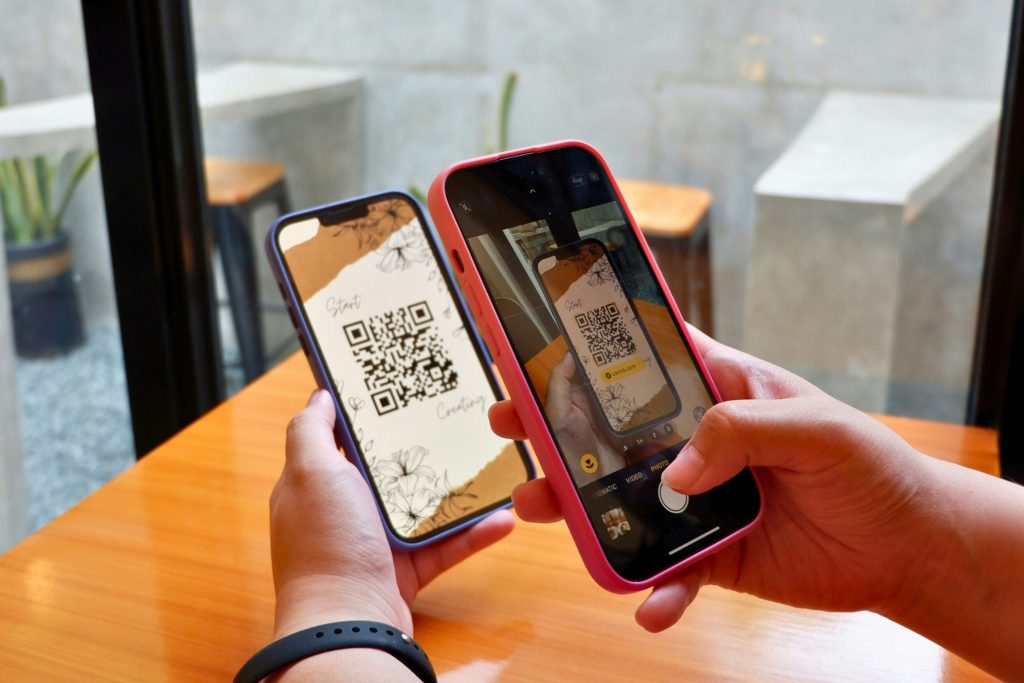
QR code payments Ireland merchants are beginning to adopt represent an emerging trend that could reshape how businesses accept transactions across the country. While contactless card payments have dominated the Irish payment landscape in recent years, QR code technology offers a compelling alternative that eliminates the need for specialized hardware while potentially reducing transaction costs. For consumers accustomed to scanning QR codes for menus and information during the pandemic, the extension to payments feels like a natural evolution of familiar technology.
“We’ve seen remarkable growth in QR code payment adoption over the past 18 months,” explains financial technology specialist Sarah Murphy. “Irish consumers have become increasingly comfortable with the technology, and forward-thinking merchants are recognizing both the cost advantages and the enhanced functionality compared to traditional payment methods.”
This comprehensive guide explores the potential of QR code payments in Ireland, examining implementation approaches, consumer education strategies, security considerations, and whether this technology truly represents the future of Irish payment processing.
Understanding QR Code Payments: Beyond Traditional Contactless Systems
Before exploring implementation strategies, it’s important to understand how QR code payments differ from established contactless methods.
How QR Code Payments Ireland Systems Function
QR code payment systems operate through a fundamentally different mechanism than traditional card payments:
QR Code Transaction Process:
- Merchant generates a unique QR code containing payment details
- Customer scans code using their smartphone camera or banking app
- Payment details are automatically populated in the customer’s app
- Customer authorizes the transaction within their application
- Merchant receives confirmation of completed payment
- Digital receipt is generated for both parties
Unlike traditional contactless payment systems that require NFC-enabled terminals, QR payments only require the merchant to have a way to display the code—either printed or on a digital screen.
“The technical simplicity is one of the most compelling aspects,” notes retail technology consultant Michael O’Brien. “A small café can implement QR payments with nothing more than a printed code at the counter, while larger retailers can integrate dynamic codes into their existing POS systems.”
Key Differences from Traditional Contactless Payment Systems
QR code technology offers several distinct advantages and differences compared to conventional contactless methods:
Hardware Requirements:
- Traditional contactless: Specialized payment terminals (€200-€800)
- QR payments: Any device capable of displaying images (potentially €0 additional cost)
Transaction Limits:
- Traditional contactless: Currently capped at €50 in Ireland without PIN
- QR payments: No inherent transaction limit (limits set by customer’s bank)
Customer Requirements:
- Traditional contactless: NFC-enabled payment card or device
- QR payments: Smartphone with camera and appropriate payment app
Network Dependencies:
- Traditional contactless: Merchant needs real-time payment network connection
- QR payments: Options for offline merchant processing in some implementations
According to research from the European Payments Council, merchants implementing QR payments experience average hardware cost savings of 70-90% compared to traditional payment terminals, making the technology particularly attractive for small businesses and startups.
Implementing QR Code Payments: Practical Guide for Irish Merchants
For businesses considering QR code payment adoption, several implementation approaches are available:
Static vs. Dynamic QR Code Payment Systems
The two primary implementation models offer different benefits and use cases:
Static QR Codes:
- Single, fixed code that remains the same for all transactions
- Customer inputs the amount during payment process
- Simplest implementation requiring minimal technology
- Ideal for donations, tips, or small merchants
- Limitless reuse without additional cost
Dynamic QR Codes:
- Unique code generated for each transaction
- Contains specific payment amount and transaction details
- Requires integration with POS or payment software
- Provides enhanced security and tracking
- Better suited for higher-value transactions
“We’ve found that many Irish businesses start with static codes to test the technology before moving to integrated dynamic systems,” explains payment consultant Aoife Lynch. “This phased approach allows merchants to gauge customer adoption while minimizing initial investment.”
Integration Options for Different Business Types
Implementation approaches vary based on business size and existing technology:
Small Business Implementation:
- Printed static QR codes at point of sale
- Simple smartphone apps for generating basic dynamic codes
- Third-party payment applications with QR functionality
- Integration with existing mobile payment solutions
- Social media platform payment extensions
Enterprise Integration:
- POS system integration for automated code generation
- E-commerce platform plugins
- API connections to banking and payment networks
- Custom-developed mobile applications
- Omnichannel implementation across physical and digital touchpoints
For smaller Irish businesses seeking cost-effective solutions, our Small Business Payment Guide provides detailed implementation strategies tailored to limited budgets.
Cost Considerations for QR Code Payments Ireland Businesses Should Know
The financial aspects of QR implementation typically include:
Implementation Expenses:
- Development/integration costs: €0-€5,000 (depending on complexity)
- Hardware requirements: Potentially €0 (with existing devices)
- Staff training: Minimal (1-2 hours typically sufficient)
- Customer education materials: €50-€200 for signage and guides
Ongoing Expenses:
- Transaction fees: 0.5%-1.75% (typically lower than card processing)
- Monthly service charges: €0-€50 depending on provider
- Software maintenance: Minimal to none for basic implementations
- Update requirements: Infrequent for most systems
“The cost advantages compared to traditional payment terminals are significant,” notes financial analyst Thomas Walsh. “Beyond the obvious hardware savings, many QR payment providers offer more competitive transaction rates than traditional merchant services, creating ongoing operational savings.”
Consumer Education: Key to Successful QR Payment Adoption
For QR code payments Ireland businesses implement to succeed, customer understanding is essential:
Developing Effective Customer Education Strategies
Successful merchants employ several proven approaches:
In-Store Education Elements:
- Clear, simple signage explaining the process
- Step-by-step visual guides near payment points
- Staff trained to offer assistance for first-time users
- QR code display in prominent, well-lit locations
- Incentives for customers trying the new payment method
Digital Education Components:
- Short instructional videos on social media
- Simple guides on business website or app
- Email campaigns highlighting the new payment option
- Digital walkthrough available via QR code scan
- FAQ resources addressing common concerns
“We created a simple three-step guide with images that we display next to our payment QR code,” shares Dublin café owner Niamh Kelly. “For the first month, we also offered a 5% discount for customers using QR payment, which significantly accelerated adoption among our regulars.”
Addressing Common Customer Questions and Concerns
Effective education addresses typical customer uncertainties:
Frequent Customer Questions:
- “Is this payment method secure?”
- “Do I need to download a special app?”
- “How do I know my payment was successful?”
- “What if I don’t have a smartphone?”
- “Is there a fee for using this payment method?”
Preparing staff with clear, concise answers to these questions helps build customer confidence and accelerates adoption.
“The most common concern is undoubtedly security,” explains retail consultant Claire Murphy. “Having staff who can briefly explain the security advantages of QR payments—like not sharing card details with the merchant—helps overcome this initial hesitation.”
For comprehensive education materials, including customizable signage and staff training resources, visit our Customer Education Toolkit designed specifically for Irish businesses.
Security Considerations for QR Code Payments
While QR payments offer robust security, understanding the protection mechanisms and potential vulnerabilities is essential:
Security Advantages of QR Code Payment Systems
QR technology provides several security benefits compared to traditional methods:
Enhanced Security Features:
- No physical card presentation required
- Card details never shared with merchant
- Multi-factor authentication options
- Transaction-specific authorization
- Bank-level encryption standards
- Real-time fraud monitoring
According to Banking & Payments Federation Ireland, QR code payments have demonstrated 40-60% lower fraud rates compared to traditional card payments in markets where the technology has reached widespread adoption.
“The security architecture of QR payments actually exceeds traditional card transactions in many respects,” notes cybersecurity expert Liam O’Connor. “The customer’s sensitive payment details remain within their banking application rather than being transmitted to merchant systems, creating an inherently more secure transaction flow.”
Potential Security Vulnerabilities to Address
While generally secure, QR payments aren’t without potential risks:
Security Considerations:
- QR code tampering in static implementations
- Phishing risks through fraudulent codes
- Consumer device security vulnerabilities
- Payment app spoofing attempts
- Social engineering tactics
“The primary vulnerability isn’t in the technology itself but in implementation and user awareness,” explains digital security consultant Emma Collins. “Merchants need to ensure their displayed codes can’t be tampered with, and consumers should only use QR payments through trusted banking applications.”
Best Practices for Secure QR Payment Implementation
Mitigating security risks requires attention to several key areas:
Merchant Security Protocols:
- Secure display of QR codes to prevent tampering
- Regular verification of static QR codes
- Use of official payment provider applications
- Staff training on security verification
- Immediate investigation of transaction irregularities
Customer Security Guidance:
- Scan codes only from trusted businesses
- Use only official banking or payment apps
- Verify transaction details before authorization
- Maintain smartphone security updates
- Enable additional authentication when available
For a comprehensive security implementation guide, visit our Payment Security Best Practices resource center.
QR Code Payments Ireland: Current Market Status and Future Outlook
Understanding the current landscape helps businesses determine optimal timing for adoption:
Current Adoption Trends in the Irish Market
QR payment usage in Ireland shows a clear growth trajectory:
Market Penetration Statistics:
- Current merchant adoption: Approximately 12% of Irish retailers
- Consumer awareness: 68% of Irish adults familiar with the concept
- Active users: 23% of smartphone owners have used QR payments
- Transaction volume: Growing at 140% annually from small base
- Regional variation: Higher adoption in urban centers (Dublin 17%, Cork 14%, Galway 13%)
Research from the Economic and Social Research Institute indicates that QR payment adoption in Ireland follows patterns seen in other European markets, with a typical 2-3 year lag behind early adopter countries like the Netherlands and Sweden.
“We’re currently in the early mainstream adoption phase,” explains payment industry analyst Patrick Kelly. “The technology has moved beyond early adopters but hasn’t yet reached widespread acceptance. This represents an opportune moment for forward-thinking businesses to implement the technology before it becomes an expected standard.”
Industry-Specific Adoption Patterns
QR payment implementation varies significantly across sectors:
High Adoption Industries:
- Cafés and quick-service restaurants
- Market vendors and small retailers
- Parking and transportation services
- Charitable organizations
- Event venues and attractions
Emerging Adoption Categories:
- Traditional retail stores
- Professional services
- Hospitality and accommodation
- Healthcare providers
- Government services
According to Retail Excellence Ireland, food service businesses implementing QR payments report 15-20% faster transaction processing during peak periods compared to traditional payment methods, creating a compelling operational advantage beyond cost savings.
Future Developments Expected in QR Payment Technology
Several emerging trends will likely shape future implementations:
Upcoming Innovations:
- Enhanced integration with loyalty programs
- Augmented reality payment interfaces
- Expanded offline processing capabilities
- Cross-border payment standardization
- Blockchain-verified transaction security
- Biometric authentication integration
“The technology is evolving rapidly,” notes fintech researcher Claire Donoghue. “We expect to see significant enhancements in functionality over the next 12-24 months as competition among providers intensifies and international standards continue to develop.”
Implementation Case Studies: Real Irish Business Experiences
Examining real-world implementations provides valuable insights:
Small Café Implementation: The Daily Grind, Dublin
This independent café implemented QR payments with minimal investment:
Implementation Approach:
- Static QR codes printed at each table and register
- Simple instruction signage with visual guide
- Staff training on customer assistance
- Social media promotion of new payment option
- 10% discount incentive for first-time QR payments
Results After Six Months:
- 27% of transactions now via QR code
- Average service time reduced by 1.2 minutes per table
- Staff tips increased 15% through simplified tipping option
- €420 monthly savings on transaction fees
- Positive customer feedback, particularly from younger demographics
“The implementation was remarkably straightforward,” shares owner Michael Collins. “Our total investment was less than €100, primarily for designing and printing professional signage. The transaction fee savings alone paid for this within the first week.”
Market Trader Experience: Galway Artisan Foods
This market stall selling specialty food products implemented QR payments as an alternative to expensive card terminals:
Implementation Details:
- Weatherproof QR code display at point of sale
- Banking app-generated dynamic codes
- Smartphone notification system for payment confirmation
- Cash and QR as only payment options
- Staff education focus on security assurance
Results After Three Months:
- QR payments represent 31% of total transactions
- Average QR transaction value 22% higher than cash
- Eliminated need for €480 card terminal investment
- Reduced end-of-day reconciliation time by 15 minutes
- Improved sales during poor weather (less customer fumbling with cash)
“As a small business with tight margins, avoiding the cost of a traditional card terminal made a significant difference,” explains owner Fiona Lynch. “The higher average transaction value for QR payments was an unexpected but welcome benefit we’ve observed consistently.”
Is Now the Right Time for Irish Businesses to Implement QR Payments?
With this technology still evolving, timing considerations are important:
Ideal Business Profiles for Early Adoption
QR payments make particular sense for businesses with these characteristics:
Most Suitable Business Types:
- Limited budget for payment infrastructure
- Younger, tech-savvy customer demographic
- Mobile or outdoor business operations
- Multiple payment points needed
- Interest in transaction fee optimization
- Desire for enhanced payment data
“The ideal early adopters typically have cost sensitivity combined with a relatively tech-comfortable customer base,” explains business consultant Sean O’Brien. “The intersection of these factors creates the most compelling immediate business case.”
When Traditional Contactless Payment Systems May Be Preferable
Despite advantages, QR codes aren’t the right fit for every situation:
Scenarios Favoring Traditional Systems:
- Customer base predominantly elderly or non-smartphone users
- Very high transaction volume with speed as primary concern
- Environments where displaying QR codes is impractical
- Situations requiring consistent offline capability
- Businesses with deeply integrated existing payment infrastructure
“For some businesses, the transition costs or customer demographic make traditional payment systems the better current choice,” notes retail technology specialist Emma Lynch. “It’s important to make this decision based on your specific business context rather than simply following trends.”
Hybrid Approach: Implementing QR Alongside Traditional Methods
Many Irish businesses are finding success with a balanced strategy:
Hybrid Implementation Benefits:
- Provides payment choice for different customer preferences
- Allows gradual transition as QR adoption increases
- Creates backup payment options during system issues
- Enables testing without full commitment
- Appeals to broadest possible customer base
“We’ve implemented QR payments alongside our traditional card terminals,” shares Thomas Walsh, who manages a retail chain. “This allows us to accommodate all customer preferences while gradually shifting toward the more cost-effective QR option as customer adoption increases.”
Conclusion: Strategic Implementation for Forward-Thinking Irish Merchants
QR code payments in Ireland represent a significant opportunity for businesses seeking cost-effective payment alternatives. While not yet the dominant payment method, the technology offers compelling advantages—particularly for small businesses and startups looking to minimize hardware costs while maximizing payment flexibility.
For merchants considering implementation, a thoughtful approach focused on customer education and secure deployment will maximize success. By understanding both the advantages and limitations of QR technology, businesses can make informed decisions about whether and how to incorporate these payment options into their overall strategy.
Whether implemented as a standalone solution or part of a hybrid payment approach, QR codes offer Irish businesses a glimpse of the future payment landscape—one that continues to evolve toward greater simplicity, lower costs, and enhanced functionality for both merchants and consumers.
For personalized guidance on implementing QR code payments for your specific business, explore our QR Payment Consultation Service or contact our team of payment technology specialists for tailored advice on the optimal implementation approach for your unique needs.
About New Payment Innovation (NPI): We’re an Irish-owned payment solutions provider specializing in helping businesses optimize their payment operations and technology. With offices in Dublin and Cork, we pride ourselves on offering jargon-free advice and local support for businesses across Ireland. Learn more about NPI.