
From Cash-Only to Cashless: An Irish Retailer’s Payment Transformation
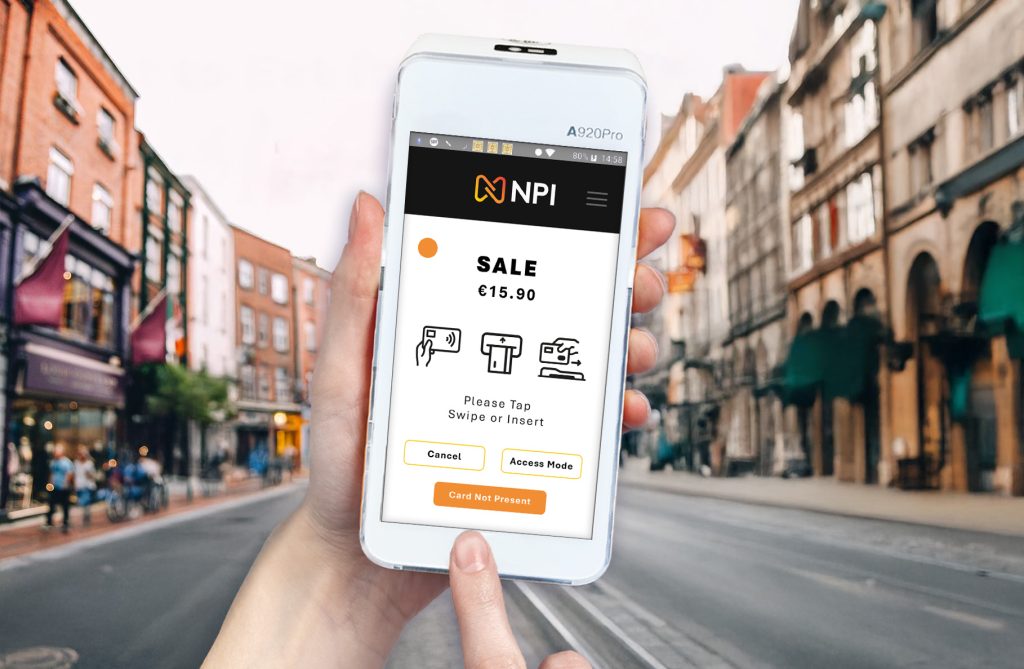
In the heart of Dublin’s bustling shopping district, O’Sullivan’s Craft Emporium stood as a testament to traditional Irish retail for over three decades. Specializing in handcrafted items from local artisans, the family-owned business had always operated on a cash-only basis—a policy that reflected both tradition and simplicity. However, as the retail payment systems Ireland landscape began to evolve rapidly, owner Mairead O’Sullivan faced a critical decision: adapt to the growing cashless business Ireland trend or risk being left behind in an increasingly digital marketplace.
The adoption of retail payment systems Ireland offers has become essential for businesses looking to meet modern consumer expectations while streamlining operations. This is the story of O’Sullivan’s transformation journey—from a cash-only establishment to a fully integrated digital payment retailer—and the valuable lessons learned along the way.
The Tipping Point: Why Change Was Necessary
The Changing Irish Payment Landscape
Ireland has experienced a significant shift in consumer payment preferences over recent years. According to the Banking and Payments Federation Ireland, contactless payments reached record levels in 2022, with approximately 57% of all card payment volumes being contactless—the highest proportion on record at that time.
The COVID-19 pandemic only accelerated this trend, as health concerns prompted both customers and retailers to reconsider cash handling. In fact, research by BOI Payment Acceptance found that 54% of Irish consumers either already considered themselves cashless or believed they would be by 2025.
For Mairead, the warning signs became impossible to ignore:
- Daily customer inquiries about card payment options
- Competitors in the area adopting modern payment systems
- Younger customers leaving without purchasing when discovering the cash-only policy
- Lost sales during tourist season when international visitors had no access to euros
“We prided ourselves on tradition, but I began to notice a pattern,” Mairead explains. “More and more customers would browse our unique products, choose something they loved, approach the counter—and then walk away disappointed when they learned we only accepted cash. That’s when I knew we needed to change.”
Business Challenges of Cash-Only Operations
Beyond customer expectations, the cash-only model presented significant operational challenges:
- Security Concerns: Keeping large amounts of cash on the premises required additional security measures and posed risks to staff.
- Banking Logistics: Daily cash deposits involved time-consuming trips to the bank, taking valuable hours away from running the business.
- Reconciliation Complexity: Manual counting and reconciliation of cash increased the potential for human error and created administrative burden.
- Limited Analytics: Without digital transaction records, the business lacked valuable data on customer purchasing patterns, peak sales periods, and inventory management.
- Growth Limitations: The inability to accept online orders restricted potential expansion beyond the physical store location.
After consulting with other local retailers who had already modernized their payment systems, Mairead made the decision to embark on a digital transformation journey. “It wasn’t just about keeping up with technology,” she notes. “It was about securing the future of our business.”
Planning the Transition to Retail Payment Systems Ireland
Setting Clear Objectives
For any business considering retail payment systems Ireland provides, careful planning is essential for success. Mairead began the process by establishing specific objectives for the transition:
- Implement a system that could accept all major payment methods (credit/debit cards, contactless payments, mobile wallets)
- Minimize disruption to existing operations during implementation
- Ensure staff comfort and competence with new technology
- Maintain the personal, artisanal character of the business
- Capture customer data for better inventory management and marketing
- Create a pathway for potential e-commerce expansion
Research and Selection Process
The selection of the right payment system provider proved critical to the success of O’Sullivan’s digital transformation. Mairead’s research focused on finding a solution specifically tailored to Irish retail businesses of similar size and character.
After evaluating several options, she chose to partner with New Payment Innovation (NPI), an Irish provider offering integrated payment solutions. The decision was based on several factors:
- Competitive transaction rates appropriate for a small business
- Hardware options that complemented the shop’s aesthetic
- Local support team familiar with Irish retail challenges
- Flexible contract terms without long-term commitments
- Comprehensive training program for staff
- Potential for future e-commerce integration
“I wanted a provider that understood Irish retail,” Mairead explains. “We needed more than just technology—we needed a partner who could guide us through this transformation with our specific business needs in mind.”
Budgeting and Financial Considerations
Any significant business change requires careful financial planning. For O’Sullivan’s Craft Emporium, the transition to cashless involved several cost considerations:
Initial Investment:
- Payment terminal hardware
- Installation and setup fees
- Staff training time
- Marketing materials to inform customers
Ongoing Costs:
- Transaction fees (typically 0.8% to 2.5% per transaction)
- Monthly service charges
- Terminal rental or maintenance fees
- Potential network/connectivity costs
To manage these expenses, Mairead negotiated a package that included transparent pricing without hidden fees and no long-term contract penalties. She also arranged a phased implementation that allowed the business to spread costs over several months rather than absorbing them all at once.
Implementation: The Transition Journey
Technical Setup and Integration
The technical implementation of retail payment systems Ireland retailers use typically involves several key components:
- Hardware Installation: Two payment terminals were strategically positioned—one at the main counter and a portable device for busier periods or events.
- Payment Gateway Configuration: The system was set up to accept all major cards (Visa, Mastercard, etc.) as well as contactless payments and digital wallets (Apple Pay, Google Pay).
- Internet Connectivity: A reliable Wi-Fi connection with backup cellular capability was established to ensure uninterrupted service.
- Security Measures: PCI DSS compliance was verified, and security protocols were implemented to protect customer data.
- System Testing: Before going live, the system underwent thorough testing to ensure smooth operation under various scenarios.
Working with NPI’s technical team, the entire setup was completed over a weekend to minimize disruption to regular business hours. “The installation was much smoother than I expected,” Mairead recalls. “We were up and running with basic functionality in less than a day.”
Staff Training and Adaptation
Perhaps the most critical element of the transition was ensuring that staff—many of whom had been with the business for years—felt comfortable with the new technology. The training process included:
- Hands-on sessions with the equipment before implementation
- Role-playing exercises for different transaction scenarios
- Troubleshooting guides for common issues
- Clear procedures for handling technical difficulties
- Follow-up training sessions after the initial launch
Interestingly, staff adaptation proved faster than anticipated. “I was worried about resistance,” admits Mairead, “especially from my older employees. But they embraced the change quicker than I did! They saw immediately how it reduced their end-of-day reconciliation work and eliminated the stress of handling large amounts of cash.”
Customer Communication Strategy
To ensure a smooth transition for customers, O’Sullivan’s implemented a comprehensive communication plan:
- Advance Notice: Signs placed throughout the store two months before implementation
- Social Media Announcements: Regular updates on the business Facebook and Instagram pages
- Email Newsletter: Detailed explanation sent to the customer database
- Staff Talking Points: Employees were equipped with clear messaging to explain the transition to customers
- Transitional Period: For the first three months, a small cash float was maintained for customers who were unprepared for the change
This careful communication strategy proved effective in managing customer expectations. “We made sure nobody felt caught off guard,” Mairead explains. “By the time we actually made the switch, most of our regular customers were already expecting it.”
The Results: Business Impact of Embracing Cashless Business Ireland
Financial Outcomes
The financial impact of implementing retail payment systems Ireland specialists recommend became evident within the first six months:
- Increased Average Transaction Value: The average purchase amount rose by 23%, as customers were less constrained by the cash they had on hand.
- Higher Transaction Volume: The total number of transactions increased by 15%, particularly during tourist season.
- Reduced Operational Costs: Despite transaction fees, the business saved approximately €320 monthly on cash handling, banking fees, and security measures.
- Decreased Register Discrepancies: Cash-related errors virtually disappeared, saving both time and money.
“The numbers don’t lie,” Mairead notes. “Even with the transaction fees, we’re seeing better financial results than when we were cash-only. Customers simply spend more when using cards.”
Operational Efficiencies
Beyond financial improvements, the business experienced significant operational benefits:
- Streamlined Closing Procedures: End-of-day reconciliation time decreased by approximately 45 minutes.
- Simplified Banking: The elimination of daily cash deposits freed up 3-4 hours weekly for more valuable business activities.
- Enhanced Security: The reduced cash on premises lowered security risks and decreased insurance premiums.
- Improved Inventory Management: Digital payment data provided insights into product popularity and buying patterns.
- Automated Accounting: Integration with accounting software reduced manual data entry and improved accuracy.
These operational efficiencies translated into better staff utilization and more time for customer service. “We’re spending less time counting money and more time helping customers,” observes Mairead. “That alone has made the transition worthwhile.”
Customer Response
Perhaps most importantly, the customer response to O’Sullivan’s digital transformation has been overwhelmingly positive:
- Frequent customers appreciated the convenience of not needing to withdraw cash before visiting
- Tourists were particularly grateful for the ability to use their regular payment methods
- Younger customers began to visit more frequently
- Impulse purchases increased, especially for higher-priced items
- Customer feedback forms showed a 97% satisfaction rate with the new payment options
One unexpected benefit was the ability to implement a loyalty program integrated with the payment system. This feature has further enhanced customer engagement and retention.
Lessons Learned: Key Takeaways for Irish Retailers
Critical Success Factors
O’Sullivan’s successful transition to cashless operations relied on several key factors that other Irish retailers can apply:
- Thorough Research: Understanding the retail payment systems Ireland marketplace before making decisions proved invaluable.
- Choosing the Right Partner: Selecting a provider like NPI that understood the specific needs of Irish retail made implementation smoother.
- Comprehensive Staff Training: Investing time in proper training ensured confident handling of the new technology.
- Clear Customer Communication: Transparent, advance communication prevented confusion and resistance.
- Phased Implementation: Allowing for a transitional period helped both staff and customers adjust gradually.
- Monitoring and Adaptation: Continuously collecting feedback and making adjustments improved the system over time.
Mairead emphasizes the importance of viewing the transition as an ongoing process rather than a one-time change. “We’re still learning and refining our approach,” she explains. “Technology keeps evolving, and so must we.”
Challenges and Solutions
Despite the overall success, O’Sullivan’s did encounter several challenges during their transition to cashless business Ireland:
Challenge 1: Internet Reliability Solution: Implemented a backup cellular connection to ensure continuous service during Wi-Fi outages.
Challenge 2: Elderly Customer Adaptation Solution: Created simplified instruction cards and offered one-on-one assistance for older customers unfamiliar with card payments.
Challenge 3: Transaction Fee Management Solution: Negotiated better rates after demonstrating consistent transaction volume and adjusted certain product prices to accommodate fees.
Challenge 4: Technical Support Access Solution: Established a dedicated support contact and created a troubleshooting guide for common issues.
Challenge 5: Initial Staff Resistance Solution: Involved staff in the selection process and highlighted the personal benefits of the new system, such as simplified closing procedures.
Future-Proofing Your Retail Business
For Irish retailers considering a similar transition, Mairead offers these recommendations for future-proofing your business:
- Start with a Hybrid Approach: Consider accepting both cash and digital payments initially to ease the transition.
- Invest in Scalable Technology: Choose systems that can grow with your business and adapt to emerging payment methods.
- Prioritize Security: Make PCI compliance and data protection central to your strategy from the beginning.
- Leverage Payment Data: Use the analytics from your payment system to inform business decisions.
- Consider Omnichannel Potential: Select solutions that can eventually support both in-store and online sales channels.
- Stay Informed: Keep abreast of developments in retail payment systems Ireland to ensure your business remains competitive.
Choosing the right retail payment systems Ireland provider is perhaps the most crucial decision in the transformation process. The Central Bank of Ireland offers guidance on payment regulations that can help businesses make informed decisions about payment service providers.
The Broader Context: Ireland’s Cashless Journey
Current State of Cashless Business Ireland
O’Sullivan’s transformation mirrors a broader trend across Ireland. According to research by ThinkBusiness.ie, 63% of Irish shoppers prefer to use cashless payments when shopping in-store—higher than many other European countries.
The shift toward retail payment systems Ireland is experiencing mirrors trends seen across Europe, as noted by the European Payments Council in their recent reports on payment innovation.
Other notable statistics highlight this shift:
- In 2023, contactless transactions in Ireland reached an all-time high of €3.8 billion in a single quarter
- Digital wallet usage increased by 65% among Irish consumers, with 38% using this method several times daily
- 82% of Irish consumers perceive businesses with card and online payment options as being more modern
- 74% view businesses offering cashless options as more customer-centric
These figures suggest that the cashless movement in Ireland is more than just a temporary trend—it represents a fundamental shift in consumer behavior and expectations.
Regulatory and Policy Considerations
While Ireland is moving rapidly toward cashless transactions, it’s worth noting that there is ongoing discussion about ensuring payment inclusivity. The 2022 Retail Banking Review recognized “an enduring societal demand for cash” and stated that “a cashless society may never emerge.”
In 2023, the Minister for Finance asked public bodies to continue accepting cash payments pending completion of the National Payments Strategy in 2024. There has also been discussion about the possibility of legislative requirements for cash acceptance by certain businesses.
These policy considerations highlight the importance of taking a balanced approach to payment modernization—one that embraces digital innovation while remaining accessible to all customers.
Conclusion: Embracing the Future of Irish Retail
O’Sullivan’s Craft Emporium’s journey from cash-only to cashless operations exemplifies the potential for traditional Irish retailers to successfully navigate digital transformation. By strategically implementing retail payment systems Ireland technologies, the business not only survived but thrived in an increasingly digital marketplace.
For Mairead O’Sullivan, the decision to embrace cashless business Ireland has paid dividends beyond mere financial returns. “This transformation has revitalized our business,” she reflects. “We’ve preserved everything that makes us special—our craft traditions, our personal service, our community connections—while creating new possibilities for growth and sustainability.”
As Ireland continues its evolution toward a predominantly cashless society, retailers who proactively adapt their payment systems position themselves for success. The key lies not in simply adopting technology for its own sake, but in strategically implementing solutions that enhance both operational efficiency and customer experience.
In the end, O’Sullivan’s story demonstrates that even the most traditional businesses can successfully bridge the gap between cherished retail heritage and digital innovation—creating a model that honors the past while embracing the future of Irish commerce.
Tags: retail payment systems Ireland, cashless business Ireland, digital payment transformation, Irish retail technology, contactless payments Ireland, payment modernization, small business digital transformation, customer payment experience, retail operations Ireland, payment system integration
This article was last updated: May 21, 2025