
Payment Trends Ireland 2025: What Businesses Need to Know
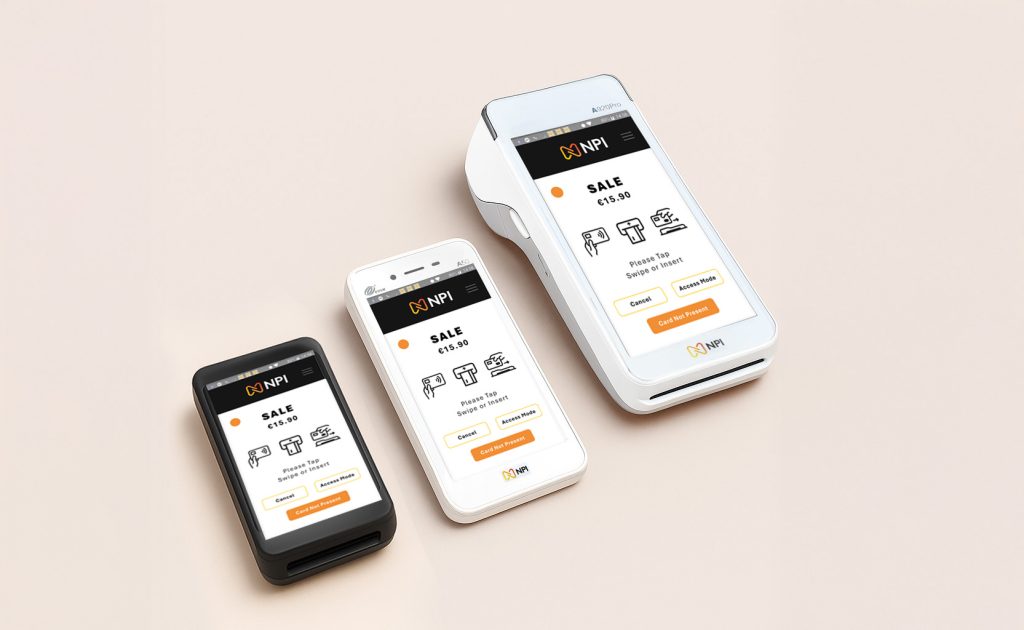
Irish businesses are witnessing unprecedented transformation in payment trends Ireland, with digital payments Ireland adoption accelerating faster than anticipated across all sectors. The landscape has shifted dramatically since 2020, creating both opportunities and challenges for companies seeking to optimize their payment strategies. Understanding emerging payment innovation Ireland developments is crucial for maintaining competitive advantage and meeting evolving customer expectations in an increasingly digital marketplace.
The convergence of technological advancement, regulatory change, and shifting consumer behaviour has created a perfect storm for payment innovation Ireland. From contactless payment dominance to the rise of Buy Now, Pay Later (BNPL) services, Irish businesses must navigate complex decisions about which payment trends Ireland to embrace and when. This comprehensive analysis examines the most significant developments shaping the Irish payment landscape and provides actionable insights for business leaders preparing for the future.
Understanding Current Payment Trends Ireland: Digital Transformation Analysis
Key Payment Trends Ireland Statistics
The digital payments Ireland revolution has fundamentally altered how Irish consumers and businesses handle transactions. Recent data from the Central Bank of Ireland reveals that card payments now represent over 75% of all retail transactions, with contactless payments accounting for nearly 85% of card transactions. These dramatic shifts in payment trends Ireland reflect broader technological adoption patterns across Europe.
Cash usage has declined precipitously, falling from 45% of transactions in 2019 to just 15% in 2024. This shift has accelerated beyond most expert predictions, driven by pandemic-related behavioural changes that have proven permanent rather than temporary. Understanding these payment trends Ireland enables businesses to make informed strategic decisions about technology investment and customer experience optimization.
How Payment Trends Ireland Vary by Industry
Different industries show varying rates of digital payments Ireland adoption:
Retail Sector: Leading the transformation with over 90% digital payment adoption in urban areas. Fashion, electronics, and grocery retailers report the highest contactless transaction rates.
Hospitality Industry: Restaurants and bars have embraced digital payments reluctantly but thoroughly, with table-side payment solutions becoming standard practice post-pandemic.
Professional Services: Healthcare, legal, and consulting services have rapidly adopted digital payment solutions, driven by client convenience expectations and administrative efficiency benefits.
Traditional Services: Trades and maintenance services remain the most cash-dependent sector, though mobile payment adoption is accelerating among younger service providers.
Emerging Payment Trends Ireland Shaping Business Strategy
Contactless Payment Dominance
Contactless technology has become the default payment method for Irish consumers, with significant implications for business operations:
Transaction Speed: Average transaction times have decreased by 35% with contactless adoption, improving customer throughput and reducing queue times.
Customer Preference: Over 80% of Irish consumers now prefer contactless payments over traditional chip-and-PIN transactions for purchases under €50.
Security Confidence: Consumer confidence in contactless security has reached all-time highs, driven by improved fraud protection and liability coverage.
Limit Evolution: The contactless transaction limit increase to €50 has further accelerated adoption, with calls for additional increases gaining political support.
Mobile Wallet Integration
Digital wallet adoption represents one of the fastest-growing payment trends Ireland:
Apple Pay Leadership: Apple Pay dominates the Irish mobile wallet market with over 60% market share among smartphone users.
Google Pay Growth: Android users increasingly embrace Google Pay, particularly in business and professional contexts.
Banking App Integration: Irish banks have enhanced their mobile apps with payment features, creating competition with international wallet providers.
Merchant Acceptance: Over 85% of Irish retailers now accept mobile wallet payments, representing dramatic growth from 35% in 2020.
Buy Now, Pay Later (BNPL) Emergence
BNPL services have introduced new dynamics to the Irish payment landscape:
Consumer Adoption: Over 30% of Irish consumers have used BNPL services, with highest adoption rates among 25-40 age demographics.
Merchant Integration: Retailers report average order value increases of 15-25% when offering BNPL options at checkout.
Regulatory Attention: The Central Bank of Ireland is developing regulatory frameworks for BNPL providers, potentially impacting future market development.
Credit Implications: Traditional lending institutions are reassessing risk models to account for BNPL debt obligations.
Payment Innovation Ireland: Technological Breakthroughs
Artificial Intelligence Integration
AI technology is revolutionizing payment processing and fraud prevention:
Fraud Detection: Machine learning algorithms now detect fraudulent transactions with 95% accuracy while reducing false positives by 60%.
Personalization: AI-powered payment recommendations help businesses optimize checkout experiences based on customer behaviour patterns.
Predictive Analytics: Advanced analytics help businesses forecast payment trends and optimize inventory and cash flow management.
Customer Service: Chatbots and AI assistants handle routine payment inquiries, reducing support costs whilst improving response times.
Blockchain and Cryptocurrency Developments
While still emerging, blockchain technology is creating new payment possibilities:
Central Bank Digital Currency (CBDC): The European Central Bank’s digital euro project could fundamentally alter the Irish payment landscape within the next five years.
Business Cryptocurrency Adoption: A growing number of Irish businesses accept Bitcoin and other cryptocurrencies, particularly in technology and hospitality sectors.
Smart Contracts: Automated payment execution through smart contracts is beginning to appear in B2B transactions and subscription services.
Cross-Border Efficiency: Blockchain-based international payments offer faster, cheaper alternatives to traditional banking systems.
Biometric Authentication
Security-focused payment innovation Ireland includes advanced authentication methods:
Fingerprint Integration: Biometric payment cards with fingerprint sensors are beginning to appear in pilot programmes across Irish banks.
Facial Recognition: Some retail environments are testing facial recognition payment systems, though privacy concerns remain significant.
Voice Authentication: Banking apps increasingly use voice recognition for payment authorization, improving security whilst enhancing user experience.
Multi-Factor Integration: Combining multiple biometric factors creates enhanced security for high-value transactions.
Industry-Specific Payment Evolution
Retail and E-commerce Transformation
Digital payments Ireland adoption varies significantly across retail subcategories:
Fashion and Lifestyle: Leading digital adoption with comprehensive omnichannel payment strategies including social commerce integration.
Grocery and FMCG: Rapid self-checkout adoption and mobile app integration have transformed the grocery payment experience.
Electronics and Technology: Early adopters of emerging payment technologies, including cryptocurrency acceptance and biometric systems.
Traditional Retail: Independent retailers increasingly adopt modern payment solutions to compete with digital-native businesses.
Hospitality Industry Evolution
The hospitality sector has undergone dramatic payment transformation:
Contactless Menus: QR code menus with integrated payment systems have become standard in many establishments.
Table-Side Payments: Portable payment terminals enable secure, convenient payment processing without customers leaving their tables.
Subscription Models: Restaurants and bars experiment with membership and subscription payment models for loyal customers.
Event Integration: Wedding venues and event spaces offer integrated payment solutions for guest experiences and vendor management.
Professional Services Digitization
Service businesses have rapidly embraced payment innovation Ireland:
Appointment Integration: Healthcare and professional services integrate payment processing with appointment booking systems.
Recurring Billing: Subscription-based service models require sophisticated recurring payment management capabilities.
Mobile Optimization: Field service providers use mobile payment solutions to process payments at customer locations.
Client Portal Integration: Professional services create comprehensive client portals with integrated payment processing for ongoing engagements.
Regulatory Landscape and Compliance
Open Banking Implementation
Open Banking regulations continue reshaping the Irish payment ecosystem:
Account Aggregation: Consumers can now view multiple bank accounts through single interfaces, enabling better payment management.
Payment Initiation Services: Third-party providers can initiate payments directly from consumer bank accounts, reducing card processing dependence.
Innovation Acceleration: Open Banking APIs enable fintech companies to create innovative payment solutions built on existing banking infrastructure.
Security Standards: Strong Customer Authentication requirements ensure enhanced security whilst potentially adding friction to payment processes.
GDPR and Data Protection
Data protection regulations significantly impact payment processing:
Consent Management: Businesses must obtain explicit consent for payment data processing and provide clear opt-out mechanisms.
Data Minimization: Payment processors must limit data collection to essential information required for transaction processing.
Right to Erasure: Customers can request deletion of payment data, requiring sophisticated data management systems.
Cross-Border Transfers: International payment processing must comply with strict data transfer regulations.
Consumer Protection Enhancement
New regulations strengthen consumer rights in digital payments:
Dispute Resolution: Enhanced dispute resolution mechanisms provide faster, more effective recourse for payment issues.
Liability Protection: Improved fraud liability protection reduces consumer financial risk from unauthorized transactions.
Transparency Requirements: Payment processors must provide clear, understandable fee structures and terms.
Accessibility Standards: Digital payment solutions must meet accessibility requirements for users with disabilities.
Future Technologies and Market Predictions
Internet of Things (IoT) Payment Integration
Connected devices are creating new payment scenarios:
Smart Home Integration: IoT devices enable automatic payment for utilities, subscriptions, and consumables without manual intervention.
Vehicle Payments: Connected cars facilitate automatic payment for fuel, parking, and tolls through integrated payment systems.
Wearable Technology: Smartwatches and fitness trackers increasingly include payment capabilities, extending contactless payment beyond smartphones.
Commercial IoT: Business equipment with integrated payment capabilities enables automated supply ordering and service payments.
Augmented and Virtual Reality Commerce
Immersive technologies are beginning to influence payment experiences:
Virtual Shopping: VR shopping environments require new payment interfaces and security considerations.
Augmented Checkout: AR applications overlay payment information onto real-world shopping experiences.
Immersive Banking: Virtual bank branches provide new contexts for payment services and customer education.
Gaming Integration: Virtual payment systems in gaming environments are beginning to connect with real-world payment processing.
Quantum Computing Implications
Quantum computing development has long-term implications for payment security:
Encryption Evolution: Quantum-resistant encryption methods will become necessary to protect payment data from quantum computing threats.
Processing Speed: Quantum computing could dramatically accelerate payment processing and fraud detection capabilities.
Security Paradigms: Entirely new security models may be required to protect payment systems in the quantum computing era.
Innovation Acceleration: Quantum computing could enable payment innovations currently impossible with classical computing limitations.
Business Strategy Implications
Technology Investment Priorities
Irish businesses must prioritize payment technology investments strategically:
Mobile Optimization: Ensuring excellent mobile payment experiences is essential given the dominance of smartphone usage.
Security Enhancement: Investing in advanced fraud prevention and security measures protects both business and customer interests.
Integration Capabilities: Payment systems must integrate seamlessly with existing business operations and customer management systems.
Scalability Planning: Payment infrastructure must accommodate business growth without requiring complete system replacement.
Customer Experience Evolution
Payment trends Ireland directly impact customer experience strategies:
Friction Reduction: Minimizing payment friction through streamlined checkout processes improves conversion rates and customer satisfaction.
Choice Provision: Offering multiple payment options accommodates diverse customer preferences and reduces abandonment rates.
Speed Optimization: Fast payment processing meets customer expectations for immediate transaction completion.
Security Communication: Clear communication about payment security measures builds customer confidence and trust.
Operational Efficiency Opportunities
Modern payment systems offer significant operational benefits:
Automated Reconciliation: Digital payment systems eliminate manual reconciliation requirements, reducing administrative overhead.
Real-Time Reporting: Instant access to payment data enables better business decision-making and cash flow management.
Predictive Analytics: Payment data analysis provides insights into customer behaviour and business performance trends.
Cost Optimization: Strategic payment method selection and fee negotiation can significantly reduce processing costs.
Implementation Roadmap for Irish Businesses
Assessment and Planning Phase
Successful payment strategy implementation requires thorough planning:
Current State Analysis: Evaluate existing payment capabilities, costs, and customer satisfaction levels.
Market Research: Understand customer payment preferences and competitor payment offerings.
Technology Audit: Assess current systems’ ability to support emerging payment technologies.
Resource Planning: Determine budget, timeline, and staff requirements for payment system improvements.
Technology Selection and Integration
Choosing appropriate payment technologies requires careful consideration:
Vendor Evaluation: Research payment technology providers based on capability, reliability, and support quality.
Integration Planning: Ensure new payment systems integrate effectively with existing business operations.
Security Assessment: Verify that new payment technologies meet security requirements and compliance standards.
Testing Protocols: Implement comprehensive testing procedures to ensure reliable payment processing before launch.
Change Management and Training
Successful payment innovation adoption requires effective change management:
Staff Training: Provide comprehensive training on new payment technologies and procedures.
Customer Communication: Educate customers about new payment options and security features.
Process Documentation: Create clear procedures for payment processing, troubleshooting, and customer support.
Performance Monitoring: Track payment system performance and customer satisfaction metrics to identify improvement opportunities.
Competitive Advantage Through Payment Innovation
Differentiation Strategies
Payment capabilities can provide significant competitive advantages:
Convenience Leadership: Superior payment experiences can differentiate businesses in competitive markets.
Security Excellence: Advanced security measures build customer trust and reduce fraud risk.
Innovation Adoption: Early adoption of emerging payment technologies can create first-mover advantages.
Integration Excellence: Seamlessly integrated payment experiences across all customer touchpoints improve satisfaction and loyalty.
Market Positioning
Payment strategies contribute to overall market positioning:
Premium Positioning: Advanced payment technologies support premium brand positioning and pricing strategies.
Accessibility Focus: Comprehensive payment options appeal to diverse customer segments and improve market penetration.
Technology Leadership: Cutting-edge payment capabilities demonstrate innovation and technological sophistication.
Customer-Centricity: Payment strategies that prioritize customer convenience and security support customer-centric positioning.
Conclusion
Payment trends Ireland in 2025 present unprecedented opportunities for businesses willing to embrace change and invest strategically in payment innovation Ireland. The shift toward digital payments Ireland is not merely a temporary adjustment but a fundamental transformation that will continue accelerating. Companies that understand these trends and adapt accordingly will gain significant competitive advantages whilst improving operational efficiency and customer satisfaction.
The key to success lies in balancing innovation adoption with practical business considerations. While emerging technologies offer exciting possibilities, businesses must prioritize solutions that deliver immediate value whilst providing pathways for future advancement. Staying ahead of payment trends Ireland requires continuous monitoring of technological developments and consumer behaviour shifts.
Irish businesses that view payment processing as a strategic capability rather than a necessary cost will be best positioned for success. By partnering with knowledgeable providers who understand both current capabilities and future trends, companies can navigate the complex payment landscape whilst focusing on their core business objectives.
The future of payments in Ireland is digital, diverse, and dynamic. Businesses that embrace this reality and prepare accordingly will thrive in the evolving marketplace, whilst those that resist change risk losing relevance and market share.
Ready to future-proof your payment capabilities and capitalize on emerging trends? Contact New Payment Innovation at 01-4475299 or visit www.npi.ie to discover how cutting-edge payment solutions can position your business for success in Ireland’s rapidly evolving payment landscape.