
Best EPOS System Ireland 2025: Complete Guide for Retail & Hospitality
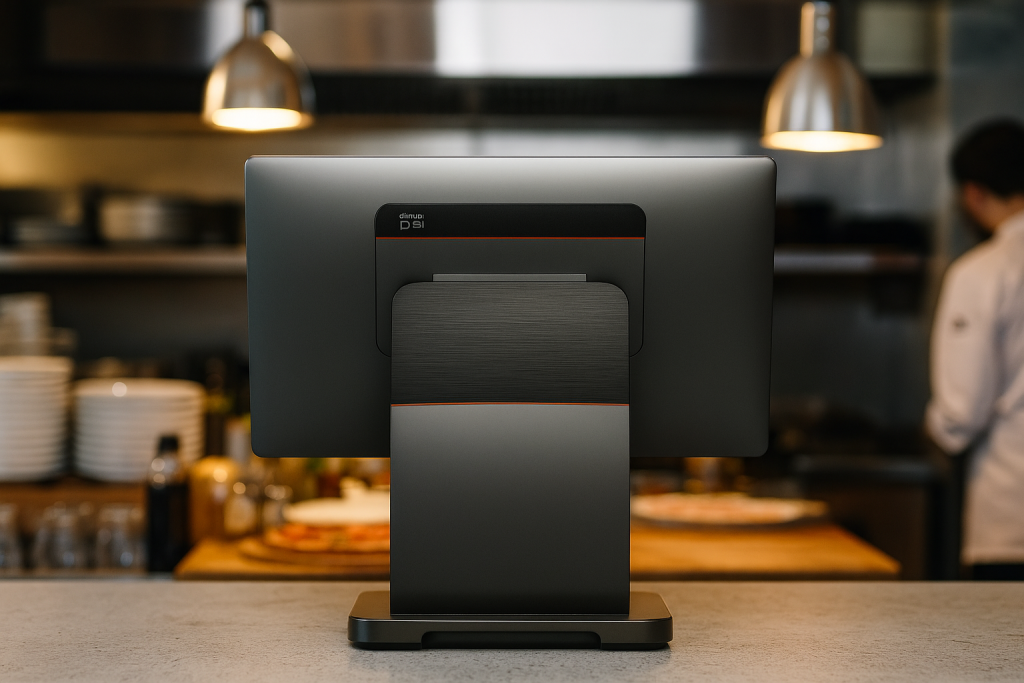
Finding the best EPOS system Ireland has to offer in 2025 can transform your business operations, streamline customer service, and significantly boost profitability. Whether you’re running a bustling Dublin restaurant, a Cork boutique, or a Galway café, choosing the right EPOS Ireland solution is crucial for staying competitive in today’s fast-paced market. This comprehensive guide examines the top point of sale system Ireland options available, helping retail and hospitality businesses make informed decisions that drive growth and efficiency.
Modern EPOS systems are far more than simple cash registers – they’re comprehensive business management platforms that integrate inventory control, customer relationship management, staff scheduling, and detailed analytics. The best EPOS system Ireland providers understand the unique challenges facing Irish businesses, from seasonal tourism fluctuations to changing consumer preferences, and offer solutions tailored to local market needs.
Finding the Best EPOS System Ireland: Essential Features and Capabilities
What Makes an EPOS System Essential
An Electronic Point of Sale (EPOS) system serves as the central nervous system of your business operations. Unlike traditional cash registers, modern EPOS Ireland solutions integrate seamlessly with every aspect of your business, from inventory management to customer analytics. The best systems provide real-time insights that help you make better decisions, reduce waste, and improve customer satisfaction.
Today’s consumers expect fast, seamless service experiences. Whether they’re paying with contactless cards, mobile wallets, or traditional payment methods, your point of sale system Ireland needs to handle all transactions smoothly whilst capturing valuable data for business intelligence. Choosing the best EPOS system Ireland ensures you can meet these expectations whilst building competitive advantage.
Key Components of Modern EPOS Ireland Solutions
The best EPOS system Ireland options include several essential components that work together seamlessly:
Hardware Integration: Touchscreen terminals, receipt printers, cash drawers, barcode scanners, and kitchen display systems work together seamlessly. Cloud-based systems allow you to manage multiple locations from anywhere with internet access.
Software Capabilities: Inventory management, staff scheduling, customer loyalty programmes, detailed reporting, and integration with accounting software streamline daily operations. Advanced systems offer predictive analytics that help forecast demand and optimise stock levels.
Payment Processing: Integrated payment processing handles all major card types, contactless payments, mobile wallets, and emerging payment methods. This integration reduces costs and simplifies reconciliation whilst ensuring PCI compliance.
Customer Management: Built-in CRM functionality tracks customer preferences, purchase history, and enables targeted marketing campaigns. Loyalty programme integration encourages repeat business and increases average transaction values.
Industry-Specific EPOS Requirements
Retail EPOS System Features
Retail businesses need point of sale system Ireland solutions that handle complex inventory management and customer service requirements:
Multi-Channel Integration: Connect online and offline sales channels for unified inventory management. Customers can buy online and collect in-store, or return online purchases to physical locations seamlessly.
Advanced Inventory Control: Track stock levels across multiple locations, set automatic reorder points, and manage seasonal variations. Barcode scanning speeds up transactions whilst maintaining accurate inventory records.
Customer Analytics: Understand buying patterns, identify best-selling products, and track customer lifetime value. This data enables targeted marketing campaigns and inventory optimisation.
Staff Management: Schedule staff based on sales forecasts, track individual performance, and manage commission structures. Time and attendance features integrate with payroll systems for streamlined administration.
Hospitality EPOS Ireland Solutions
Restaurants, cafés, and bars require specialised features that address unique hospitality challenges:
Table Management: Visual table layouts show availability, track orders, and manage reservations. Split billing and group ordering capabilities handle complex dining scenarios efficiently.
Kitchen Integration: Orders transmit instantly to kitchen display systems, reducing errors and improving service speed. Menu engineering features highlight profitable items and track ingredient usage.
Staff Efficiency Tools: Waiters can take orders tableside using mobile devices, reducing trips to terminals and improving customer service. Digital receipts and tableside payment processing enhance the dining experience.
Compliance Features: Track alcohol sales for licence compliance, manage age verification requirements, and maintain detailed transaction records for regulatory purposes. The Revenue Commissioners provide specific requirements for hospitality businesses that modern EPOS systems help manage automatically.
Multi-Location Business Requirements
Businesses operating multiple locations need centralised management capabilities:
Cloud-Based Architecture: Access real-time data from all locations through secure cloud platforms. Centralised reporting provides insights across the entire business operation.
Standardised Operations: Ensure consistent pricing, promotions, and procedures across all locations. Central menu and inventory management streamlines operations whilst maintaining brand consistency.
Performance Comparison: Compare performance metrics between locations to identify best practices and improvement opportunities. Transfer stock between locations based on demand patterns.
Scalable Infrastructure: Add new locations easily without requiring extensive IT infrastructure investment. The system grows with your business needs.
Comprehensive System Comparison: Top EPOS Ireland Providers
Traditional vs Cloud-Based Systems
Understanding the fundamental differences between system types helps guide your decision:
Traditional On-Premise Systems: Offer complete control over data and operations but require significant upfront investment and ongoing IT maintenance. Best suited for businesses with stable operations and IT expertise.
Cloud-Based Solutions: Provide flexibility, automatic updates, and remote access but require reliable internet connectivity. Lower upfront costs and easier scalability make them attractive for growing businesses.
Hybrid Approaches: Combine local processing capabilities with cloud-based reporting and management. These systems offer reliability during internet outages whilst providing modern functionality.
Key Evaluation Criteria
When evaluating what makes the best EPOS system Ireland choice for your business, consider these critical factors:
Ease of Use: Intuitive interfaces reduce training time and minimise transaction errors. Staff should be able to process sales quickly without extensive technical knowledge.
Reliability: System uptime directly impacts revenue. Look for providers offering service level agreements and local support capabilities.
Integration Capabilities: Seamless integration with existing business systems reduces data entry and improves accuracy. Accounting, payroll, and e-commerce integrations streamline operations.
Scalability: The system should accommodate business growth without requiring complete replacement. Consider future needs when making current decisions.
Support Quality: Local support ensures quick resolution of issues. Evaluate response times, support channels, and technical expertise of potential providers.
Pricing Models and Total Cost of Ownership
Understanding different pricing approaches helps budget effectively:
Subscription Models: Monthly fees provide predictable costs and typically include updates, support, and cloud hosting. This model suits businesses preferring operational expenses over capital investment.
One-Time Purchase: Higher upfront costs but lower long-term expenses for stable businesses. Consider ongoing support and update costs in total calculations.
Transaction-Based Pricing: Fees tied to sales volume can be cost-effective for low-volume businesses but may become expensive as sales grow.
Hybrid Pricing: Combination of base fees and transaction charges balances predictability with scalability.
ROI Analysis: Measuring EPOS System Value
Quantifying Direct Benefits
Investing in the best EPOS system Ireland solution provides measurable returns through various channels:
Operational Efficiency: Faster transaction processing increases throughput during peak periods. Staff productivity improvements allow better customer service with existing resources.
Inventory Optimisation: Accurate stock tracking reduces waste from expired products and stockouts. Automated reordering ensures optimal inventory levels whilst minimising carrying costs.
Reduced Errors: Automated calculations and integrated systems eliminate manual errors that cost money and damage customer relationships.
Labour Cost Reduction: Automated tasks and streamlined processes reduce administrative workload, allowing staff to focus on customer service and sales activities.
Customer Experience Improvements
Enhanced customer experiences drive revenue growth:
Faster Service: Reduced waiting times improve customer satisfaction and increase capacity during busy periods. Quick payment processing creates positive lasting impressions.
Personalised Service: Customer history and preferences enable personalised recommendations and targeted promotions. Loyalty programmes encourage repeat business and increase average spending.
Payment Flexibility: Accepting all payment methods prevents lost sales and accommodates customer preferences. Modern payment options attract tech-savvy customers.
Accurate Orders: Digital ordering systems reduce mistakes and improve customer satisfaction. Kitchen integration ensures orders are prepared correctly and promptly.
Long-Term Strategic Benefits
Point of sale system Ireland investment creates lasting competitive advantages:
Data-Driven Decisions: Comprehensive analytics reveal business insights that guide strategic planning. Understanding customer behaviour and sales patterns enables better inventory and marketing decisions.
Competitive Advantage: Modern systems attract customers and staff whilst improving operational efficiency. Businesses with superior technology often outperform competitors.
Scalability: Systems that grow with your business eliminate future replacement costs and disruption. Plan for expansion from the initial implementation.
Compliance Assurance: Automated compliance features reduce regulatory risks and administrative burden. Stay current with changing requirements through system updates.
Technology Integration and Future-Proofing
Essential Integration Capabilities
Modern EPOS Ireland systems must integrate with various business applications:
Accounting Software Integration: Automatic synchronisation with accounting systems eliminates double entry and reduces errors. Real-time financial data improves cash flow management and financial planning.
E-commerce Platform Connection: Unified inventory management across online and offline channels prevents overselling and provides customers with accurate availability information.
Customer Relationship Management: CRM integration provides comprehensive customer profiles combining online and offline interactions. This data enables targeted marketing and personalised service.
Supply Chain Management: Integration with suppliers enables automated ordering based on sales patterns and inventory levels. Electronic ordering reduces administrative costs and improves accuracy.
Emerging Technology Considerations
Future-proof your investment by considering emerging technologies:
Artificial Intelligence: AI-powered analytics provide predictive insights for inventory management, staff scheduling, and customer behaviour. Machine learning improves system performance over time.
Internet of Things (IoT): Connected devices provide additional data sources for business intelligence. Smart scales, temperature sensors, and other devices integrate with EPOS systems for comprehensive monitoring.
Mobile Integration: Mobile payments, digital receipts, and smartphone loyalty programmes enhance customer experiences. Staff mobility improves service efficiency in hospitality environments.
Blockchain Technology: Emerging applications in supply chain tracking and loyalty programmes may provide future opportunities for early adopters.
Security and Compliance Evolution
Stay ahead of security requirements:
Payment Security Standards: PCI DSS compliance is essential for card acceptance. Choose systems that maintain current certifications and handle security updates automatically. The Payment Card Industry Security Standards Council provides detailed compliance guidelines that the best EPOS system Ireland providers follow rigorously.
Data Protection: GDPR compliance requires careful handling of customer data. Systems should provide appropriate consent management and data portability features as outlined by the European Data Protection Board.
Cybersecurity Measures: Regular security updates and monitoring protect against evolving threats. Cloud-based systems often provide better security than on-premise solutions.
Backup and Recovery: Robust backup systems ensure business continuity during system failures or security incidents.
Implementation Strategy and Best Practices
Pre-Implementation Planning
Successful EPOS system deployment requires thorough preparation:
Business Requirements Analysis: Document current processes, identify pain points, and define success criteria. Understanding your needs ensures you select the most appropriate system.
Staff Consultation: Involve employees in the selection process to understand their needs and build support for the new system. User buy-in significantly impacts implementation success.
Data Migration Planning: Plan how to transfer existing customer data, inventory records, and historical information. Clean, accurate data migration prevents operational disruptions.
Timeline Development: Create realistic implementation schedules that account for staff training, system testing, and gradual rollout. Rushing implementation often leads to problems.
Training and Change Management
Effective training ensures successful adoption:
Comprehensive Staff Training: Provide thorough training on all system features relevant to each staff role. Include both technical skills and customer service aspects.
Ongoing Support: Establish procedures for continued learning and system updates. Regular refresher training helps staff utilise advanced features effectively.
Change Communication: Clearly communicate the benefits of the new system to build enthusiasm and reduce resistance. Address concerns proactively and provide adequate support.
Performance Monitoring: Track adoption rates and identify areas where additional training may be needed. Monitor customer satisfaction to ensure service quality is maintained.
Testing and Validation
Thorough testing prevents operational disruptions:
System Testing: Test all features under realistic conditions before going live. Include peak load scenarios and integration with other business systems.
Staff Testing: Allow staff to practice with the system using test data before processing real transactions. This builds confidence and identifies training needs.
Customer Experience Testing: Evaluate the customer experience throughout the entire transaction process. Ensure payment processing, receipt generation, and any loyalty programme features work smoothly.
Backup Procedures: Test backup systems and recovery procedures to ensure business continuity capabilities work as expected.
Industry Success Stories and Case Studies
Retail Success Examples
Irish retail businesses have achieved significant benefits from EPOS system implementation:
Fashion Boutique Chain: A multi-location fashion retailer implemented cloud-based EPOS across six stores, achieving 25% reduction in inventory carrying costs through better demand forecasting and automated reordering.
Independent Bookshop: A Dublin bookshop integrated their EPOS with online sales platform, increasing revenue by 40% through unified inventory management and customer data insights.
Grocery Store: A family-run grocery store reduced checkout times by 30% and improved inventory accuracy to 99.5% through barcode scanning and automated stock management.
Hospitality Success Stories
Restaurants and cafés demonstrate the transformative power of modern EPOS systems:
Fine Dining Restaurant: A Cork restaurant improved table turnover by 20% through integrated reservation management and kitchen display systems, whilst reducing order errors by 85%.
Coffee Shop Chain: A five-location coffee chain implemented mobile ordering and loyalty programmes, increasing average transaction values by 15% and customer retention by 30%.
Sports Bar: A Galway sports bar streamlined operations during busy match days, reducing service times by 40% through tableside ordering and integrated payment processing.
Multi-Location Business Benefits
Businesses operating multiple locations report significant advantages:
Franchise Operation: A 12-location franchise achieved standardised operations and centralised reporting, reducing administrative costs by 35% whilst improving performance visibility.
Hotel Chain: A regional hotel chain integrated EPOS across restaurants, bars, and retail outlets, providing unified guest experiences and comprehensive revenue management.
Selecting Your EPOS Partner
Vendor Evaluation Criteria
Choose EPOS Ireland providers based on comprehensive evaluation:
Local Presence: Irish-based support ensures quick response times and understanding of local business requirements. Consider providers with established local operations.
Industry Experience: Select vendors with proven experience in your specific industry. Retail and hospitality have different requirements that specialised providers understand better.
Technology Leadership: Choose providers investing in modern technology and regular updates. Avoid systems that appear outdated or lack development momentum.
Customer References: Speak with existing customers about their experiences with the vendor. Focus on businesses similar to yours for relevant insights.
Financial Stability: Ensure your chosen vendor has the financial stability to provide long-term support and continued development.
Service and Support Considerations
Ongoing support quality significantly impacts system value:
Response Times: Understand support response times and availability. Point of sale systems are critical to operations, requiring quick issue resolution.
Training Quality: Evaluate the quality and comprehensiveness of training programmes. Good training reduces ongoing support needs and improves system utilisation.
Update Procedures: Understand how system updates are delivered and managed. Automatic updates reduce administrative burden but require reliable implementation.
Escalation Procedures: Know how complex issues are handled and escalated. Clear escalation paths ensure resolution of difficult problems.
Contract Terms and Conditions
Carefully review all contract terms:
Service Level Agreements: Ensure SLAs match your business requirements for uptime and support response. Include penalties for vendor non-performance.
Data Ownership: Maintain ownership and portability of your business data. Ensure you can extract data if changing systems in the future.
Upgrade Paths: Understand costs and procedures for system upgrades. Plan for future growth and changing requirements.
Termination Clauses: Review termination procedures and any associated costs. Ensure you have reasonable flexibility if needs change.
Future Trends in EPOS Technology
Emerging Capabilities
The best EPOS system Ireland providers are developing advanced features:
Predictive Analytics: Machine learning algorithms analyse sales patterns, weather data, and other factors to predict demand and optimise inventory levels automatically.
Voice Integration: Voice-activated controls enable hands-free operation during busy periods, improving efficiency and hygiene in food service environments.
Augmented Reality: AR applications help staff locate products, provide customer information, and enhance training experiences through immersive technology.
Advanced Personalisation: Systems learn individual customer preferences and automatically suggest products or services, increasing sales and customer satisfaction.
Payment Evolution
Payment technology continues advancing rapidly:
Biometric Payments: Fingerprint and facial recognition payments are becoming more common, offering enhanced security and convenience for customers.
Cryptocurrency Integration: Some systems now accept cryptocurrency payments, appealing to tech-savvy customers and potentially reducing transaction fees.
Invisible Payments: Technologies enabling automatic payment processing without explicit customer action, such as walk-out shopping experiences.
Central Bank Digital Currencies: Preparation for potential digital euro implementation may require system updates and new integration capabilities.
Sustainability Integration
Environmental considerations are becoming increasingly important:
Digital Receipts: Electronic receipt systems reduce paper consumption whilst providing better record-keeping for customers and businesses.
Energy Efficiency: Modern systems consume less power and include features for monitoring and reducing energy usage across operations.
Waste Reduction: Better inventory management and predictive analytics help reduce food waste and product spoilage in retail and hospitality operations.
Supply Chain Transparency: Integration with supplier systems provides visibility into environmental impact and sustainability practices throughout the supply chain.
Conclusion
Selecting the best EPOS system Ireland for your retail or hospitality business is a decision that will impact your operations for years to come. The right point of sale system Ireland solution transforms daily operations, improves customer experiences, and provides the data insights needed for strategic business growth. Whether you’re managing a single location or multiple sites, the investment in quality EPOS Ireland technology pays dividends through improved efficiency, better customer service, and increased profitability.
Success with EPOS implementation requires careful planning, thorough vendor evaluation, and commitment to proper staff training. The businesses that achieve the greatest returns are those that view their EPOS system as a strategic business platform rather than just a payment processing tool. By focusing on total value rather than just upfront costs, you can select a system that grows with your business and continues providing benefits long after installation.
The Irish market offers excellent EPOS solutions from both international providers and local specialists who understand the unique requirements of Irish businesses. Take time to evaluate options thoroughly, speak with references, and ensure your chosen system aligns with both current needs and future growth plans.
Remember that the best EPOS system Ireland is the one that fits your specific business requirements, provides reliable performance, and comes with excellent ongoing support. The investment in quality technology and professional implementation creates competitive advantages that benefit your business for years to come.
Ready to transform your business with the best EPOS system Ireland has to offer? Contact New Payment Innovation at 01-4475299 or visit www.npi.ie to discover how our comprehensive EPOS Ireland solutions can streamline your operations, improve customer satisfaction, and drive business growth through proven point of sale system Ireland technology.