
Card Machine Internet Connection: Best 2025 WiFi, 4G, and Ethernet Setup Guide
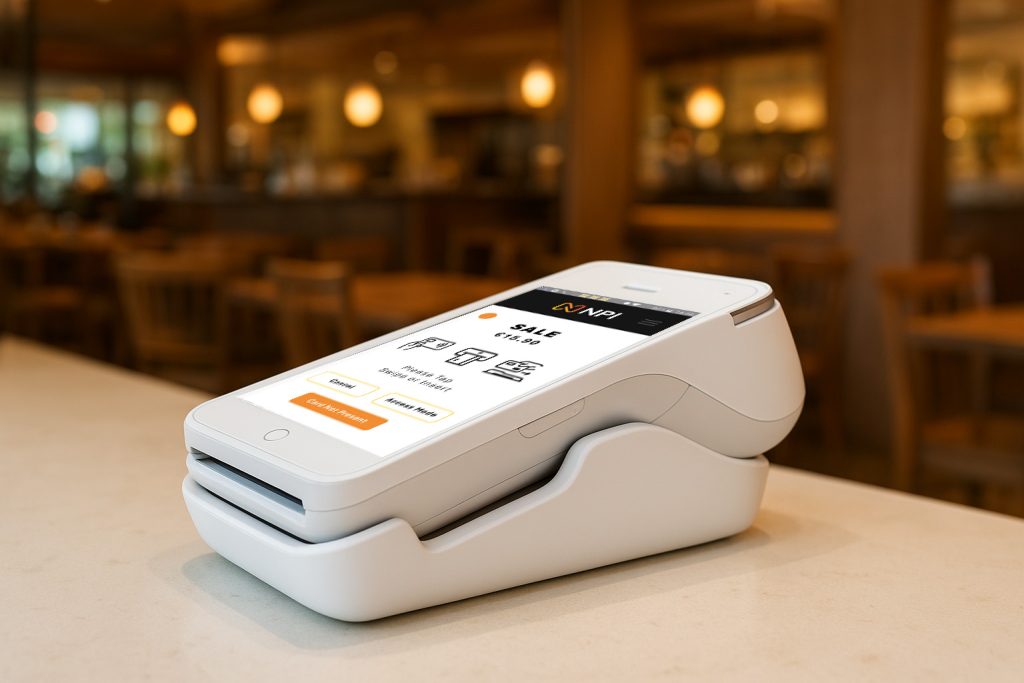
Establishing reliable card machine connectivity Ireland represents a fundamental requirement for modern businesses accepting electronic payments. Whether you’re operating a bustling Dublin restaurant, a remote Donegal craft shop, or a mobile food truck touring Cork festivals, understanding how to configure and optimise your payment terminal’s internet connection directly impacts transaction success rates, customer satisfaction, and business revenue. From WiFi card terminal setup to advanced 4G payment terminal configurations, choosing the right connectivity solution ensures seamless payment processing regardless of location or business model.
The complexity of modern payment networks requires robust, reliable internet connections that can handle transaction volumes whilst maintaining security standards mandated by Irish financial regulations. Card machine connectivity Ireland solutions must accommodate diverse business environments, from urban areas with multiple broadband options to rural locations where 4G payment terminal solutions provide the only viable connectivity path for electronic payment processing.
Understanding the strengths and limitations of different connectivity options—WiFi, 4G, and Ethernet—enables business owners to make informed decisions that optimise payment processing reliability whilst managing costs effectively. This comprehensive guide explores each connection method, providing practical setup instructions, troubleshooting guidance, and rural area solutions that ensure consistent payment processing across Ireland’s diverse business landscape.
Understanding Card Machine Connectivity Requirements
Basic Connectivity Principles for Payment Terminals
Card machine connectivity Ireland systems require stable, secure internet connections that meet specific performance criteria for successful payment processing. These requirements include minimum bandwidth thresholds, latency limitations, and security protocols that ensure reliable transaction communication between payment terminals and processing networks.
Modern payment terminals typically require sustained internet speeds of at least 256 kbps for basic transaction processing, though higher speeds improve transaction response times and enable advanced features such as receipt emailing and real-time inventory updates. Latency requirements demand response times under 10 seconds for standard transactions, making connection quality as important as raw speed.
Security considerations mandate encrypted communication channels that protect sensitive payment data during transmission. All WiFi card terminal setup configurations must implement WPA2 or WPA3 encryption protocols, whilst 4G connections rely on cellular network security combined with terminal-level encryption to maintain payment card industry compliance standards.
Network Performance Requirements and Standards
Payment Card Industry Data Security Standard (PCI DSS) compliance requires specific network security measures for all card machine connectivity Ireland implementations. These standards encompass encryption requirements, access controls, and monitoring capabilities that protect customer payment data throughout the transaction process.
Bandwidth allocation must account for peak transaction periods when multiple simultaneous payments may strain network capacity. Businesses processing high transaction volumes during busy periods should provision additional bandwidth to prevent payment delays that could impact customer experience and operational efficiency.
Connection redundancy proves crucial for businesses dependent on electronic payments, with backup connectivity options ensuring continued payment processing during primary network outages. This redundancy becomes particularly important for businesses in rural areas where single connection points create vulnerability to service disruptions.
Regulatory and Compliance Considerations
Irish payment terminal connectivity must comply with both European and domestic regulations governing electronic payment processing and data protection. The Central Bank of Ireland’s payment services regulations establish frameworks for secure payment processing that directly impact connectivity requirements.
General Data Protection Regulation (GDPR) compliance extends to payment terminal internet connections, requiring secure transmission channels and appropriate data handling protocols. 4G payment terminal configurations must ensure that cellular data transmission meets privacy and security requirements for customer payment information.
Network monitoring and logging requirements under various regulatory frameworks necessitate connectivity solutions that support comprehensive audit trails and security monitoring capabilities. These requirements influence connectivity choices and configuration approaches for businesses operating across different sectors and transaction volumes.
WiFi Card Terminal Setup: Complete Configuration Guide
Selecting Optimal WiFi Networks for Payment Processing
WiFi card terminal setup begins with selecting appropriate wireless networks that provide reliable coverage, adequate bandwidth, and robust security features. Business-grade WiFi networks typically offer superior performance compared to consumer-grade alternatives, though proper configuration can optimise either option for payment processing requirements.
Network frequency selection between 2.4GHz and 5GHz bands affects both range and performance characteristics. The 2.4GHz band provides better range and penetration through obstacles but suffers from greater interference in crowded environments, whilst 5GHz offers higher speeds but with reduced range and penetration capabilities.
WiFi standard selection impacts both performance and compatibility, with newer standards such as WiFi 6 (802.11ax) providing improved efficiency and performance in crowded environments. However, terminal compatibility with different WiFi standards varies, making it essential to verify compatibility before finalising network configurations.
Step-by-Step WiFi Configuration Process
Initial WiFi card terminal setup requires accessing terminal configuration menus through administrator credentials provided by payment processors or terminal manufacturers. These credentials typically include both network settings access and broader terminal configuration capabilities requiring careful security management.
Network discovery enables terminals to identify available WiFi networks within range, displaying signal strength indicators that help optimise connection choices. Signal strength should consistently exceed -70 dBm for reliable payment processing, with stronger signals providing better transaction consistency and reduced retry rates.
Security configuration involves selecting appropriate encryption protocols and entering network credentials that provide terminal access to protected networks. WPA3 encryption provides optimal security for new installations, whilst WPA2 remains widely compatible with existing network infrastructure and older payment terminals.
Advanced WiFi Optimisation Techniques
Channel optimisation reduces interference from neighbouring networks by selecting WiFi channels with minimal congestion. Tools such as WiFi analysers help identify optimal channels for specific locations, though automatic channel selection in modern routers often provides adequate performance for most business environments.
Quality of Service (QoS) configuration prioritises payment terminal traffic over less critical network activities, ensuring consistent transaction processing performance even during periods of high network utilisation. This prioritisation proves particularly valuable for businesses with shared networks supporting multiple business functions.
Range extension solutions including WiFi repeaters and mesh networks enable card machine connectivity Ireland in larger business premises where single access points cannot provide adequate coverage. These solutions require careful planning to maintain security whilst ensuring seamless connectivity throughout business operations areas.
WiFi Security Best Practices for Payment Terminals
Network isolation separates payment terminal traffic from other business network activities, reducing security risks whilst improving performance consistency. Virtual LANs (VLANs) provide sophisticated isolation capabilities for businesses with complex network requirements and multiple device types.
Access control lists (ACLs) restrict network access to authorised devices only, preventing unauthorised connections that could compromise network security or consume bandwidth required for payment processing. These controls prove particularly important for businesses with guest WiFi networks or shared premises.
Regular security updates for WiFi infrastructure ensure continued protection against emerging threats whilst maintaining compatibility with evolving payment terminal requirements. Automated update mechanisms reduce administrative burden whilst ensuring consistent security patch application across network infrastructure.
4G Payment Terminal Solutions: Mobile Connectivity Excellence
Understanding 4G Network Performance for Payments
4G payment terminal solutions provide exceptional connectivity options for mobile businesses, rural locations, and premises where fixed internet connections prove inadequate or unreliable. Modern 4G networks across Ireland offer speeds and latency characteristics that often exceed fixed broadband performance, particularly in well-covered urban areas.
Network carrier selection significantly impacts performance and coverage, with different operators providing varying coverage quality across Ireland’s diverse geography. Businesses should evaluate coverage maps and conduct real-world testing in their specific operating locations before committing to particular carriers or plans.
Data plan considerations encompass both cost management and performance optimisation, with unlimited plans providing predictable costs whilst capped plans may offer lower base costs but risk service interruption during high-usage periods. Payment processing typically requires minimal data usage, making even basic plans adequate for most business requirements.
4G Setup and Configuration Procedures
Initial 4G payment terminal setup requires SIM card activation and configuration through carrier-specific procedures that vary between operators. Business accounts often provide enhanced support and service level agreements compared to consumer plans, making them preferable for payment processing applications.
Terminal configuration involves entering network settings provided by carriers, including Access Point Names (APNs) and authentication credentials required for network access. These settings are typically carrier-specific and must match exactly to enable successful network connection and data transmission.
Signal optimisation may require repositioning terminals or installing external antennas to improve reception quality in areas with marginal 4G coverage. Signal strength indicators within payment terminals provide real-time feedback on connection quality and help identify optimal positioning for reliable operation.
Rural Area 4G Solutions and Coverage Enhancement
Rural card machine connectivity Ireland often relies primarily on 4G networks where fixed broadband infrastructure remains limited or unreliable. Understanding coverage patterns and optimisation techniques enables successful payment processing even in challenging rural environments across Ireland’s countryside.
External antenna solutions can significantly improve 4G signal reception in areas with marginal coverage, with both omnidirectional and directional antennas offering different advantages depending on specific location characteristics and tower positioning. Professional installation ensures optimal performance whilst maintaining weather resistance and aesthetic considerations.
Carrier aggregation technology in modern 4G networks combines signals from multiple towers to improve both speed and reliability, particularly valuable in rural areas where individual tower coverage may be limited. Compatible terminals and carrier support enable these advanced features for enhanced rural connectivity.
4G Cost Management and Data Optimisation
Data usage monitoring prevents unexpected charges whilst identifying optimisation opportunities for businesses with capped data plans. Most 4G payment terminal systems include built-in monitoring capabilities that track data consumption and provide alerts approaching plan limits.
Connection sharing enables multiple payment terminals to utilise single 4G connections through mobile hotspot devices or dedicated routers, reducing per-terminal costs whilst providing backup connectivity for WiFi-primary configurations. This approach proves particularly cost-effective for businesses with multiple terminals in single locations.
Automatic failover configurations enable terminals to switch between WiFi and 4G connections based on availability and performance, ensuring consistent payment processing whilst optimising data usage and costs. These intelligent switching capabilities reduce manual management requirements whilst maintaining service reliability.
Ethernet Connections: Wired Reliability for High-Volume Businesses
Ethernet Advantages for Fixed Location Businesses
Wired Ethernet connections provide maximum reliability and performance for card machine connectivity Ireland in fixed location businesses with high transaction volumes. The dedicated bandwidth and minimal latency of Ethernet connections ensure consistent payment processing performance regardless of external interference or network congestion.
Security advantages of wired connections include reduced exposure to wireless interception and simplified network access control through physical connection requirements. These security benefits prove particularly valuable for businesses handling high-value transactions or operating in industries with enhanced security requirements.
Installation simplicity for Ethernet connections reduces ongoing maintenance requirements compared to wireless alternatives, with fewer configuration variables and interference sources that could affect payment processing reliability. Once properly installed, Ethernet connections typically require minimal ongoing management or troubleshooting.
Ethernet Setup and Cable Management
Professional cable installation ensures optimal performance whilst maintaining aesthetic appeal and safety standards required for commercial environments. Proper cable routing prevents damage whilst enabling future modifications and expansions without disrupting existing payment processing operations.
Network switch configuration enables multiple payment terminals to share single internet connections through managed or unmanaged switches depending on business requirements. Managed switches provide advanced features including traffic prioritisation and security controls that enhance payment processing reliability.
Power over Ethernet (PoE) capabilities eliminate separate power connections for compatible payment terminals, simplifying installation whilst reducing cable management complexity. PoE solutions prove particularly valuable for terminal placement flexibility and reduced infrastructure requirements.
Cable Length and Performance Considerations
Maximum cable length limitations for standard Ethernet (100 metres for Cat5e/Cat6) influence terminal placement options and may require network repeaters or switches for larger business premises. Planning cable runs during initial installation prevents performance issues and future expansion limitations.
Cable quality selection affects both performance and longevity, with Cat6 or higher specifications providing superior performance and future-proofing compared to older Cat5e installations. Shielded cables offer additional protection against electrical interference in industrial or high-EMI environments.
Environmental protection for outdoor or harsh environment installations requires appropriate cable ratings and protective conduits that maintain connection integrity whilst preventing damage from weather, moisture, or physical impact. These considerations prove crucial for terminals in exposed locations or outdoor business operations.
Troubleshooting Connection Issues: Systematic Problem Resolution
Diagnostic Procedures for Connection Problems
Systematic troubleshooting for card machine connectivity Ireland issues begins with identifying whether problems affect individual terminals, specific connection types, or entire networks. This initial assessment guides subsequent diagnostic steps and helps prioritise resolution efforts during business-critical periods.
Signal strength assessment provides immediate insights into wireless connection quality, whilst ping tests and speed measurements evaluate network performance characteristics that directly impact payment processing reliability. These diagnostic tools help distinguish between connectivity and processing issues that may present similar symptoms.
Terminal restart procedures often resolve temporary connectivity issues without requiring technical intervention, making them valuable first-line troubleshooting steps for businesses without dedicated IT support. However, frequent restart requirements may indicate underlying issues requiring professional diagnosis and resolution.
Common WiFi Terminal Issues and Solutions
WiFi card terminal setup problems often stem from incorrect network credentials, incompatible security settings, or insufficient signal strength that prevents reliable connection establishment. Systematic verification of network settings typically resolves most configuration-related connectivity issues.
Interference from other wireless devices can degrade WiFi performance without completely preventing connections, leading to intermittent payment processing failures that prove difficult to diagnose. WiFi analysis tools help identify interference sources and guide channel optimisation efforts.
Range limitations may prevent reliable connectivity in larger business premises or areas with physical obstacles between terminals and access points. Signal boosters, mesh networks, or additional access points typically resolve coverage-related connectivity issues.
4G Terminal Troubleshooting Strategies
4G payment terminal connectivity issues often relate to SIM card problems, incorrect network settings, or inadequate signal coverage that prevents reliable network access. Systematic verification of carrier settings and SIM card functionality typically identifies most common issues.
Data plan exhaustion or suspension can cause connectivity failures that appear similar to technical problems, making account status verification an essential troubleshooting step for businesses with capped data plans. Carrier customer service can quickly clarify account status and resolve billing-related connectivity issues.
Network congestion during peak usage periods may cause slow transaction processing or timeouts that appear as terminal malfunctions. Understanding local network usage patterns helps identify congestion-related issues and guide timing adjustments for critical payment processing periods.
Professional Support and Escalation Procedures
When self-service troubleshooting fails to resolve card machine connectivity Ireland issues, professional support through payment processors or terminal manufacturers provides specialised expertise for complex problems. These support channels typically offer both remote diagnosis and on-site service options depending on issue severity and business requirements.
Escalation procedures should prioritise payment processing restoration to minimise business impact whilst enabling thorough diagnosis of underlying causes. Temporary solutions such as alternative connectivity methods or backup terminals can maintain operations whilst permanent fixes are implemented.
Documentation of recurring issues helps identify patterns that may indicate systematic problems requiring infrastructure upgrades or configuration changes. This documentation proves valuable for both internal troubleshooting and professional support interactions.
Rural Area Solutions: Overcoming Connectivity Challenges
Understanding Rural Connectivity Landscapes
Rural card machine connectivity Ireland faces unique challenges including limited broadband infrastructure, variable 4G coverage, and geographical obstacles that affect signal propagation. Understanding these limitations enables realistic planning and appropriate solution selection for rural business operations.
Coverage mapping using carrier-provided tools and independent coverage databases helps identify optimal connectivity solutions for specific rural locations. Real-world testing remains essential since coverage maps may not reflect local geographical features that affect signal quality and reliability.
Infrastructure development across rural Ireland continues expanding connectivity options, with government initiatives such as the National Broadband Plan improving fixed broadband availability whilst mobile operators enhance 4G coverage in previously underserved areas.
Satellite Internet for Remote Locations
Satellite internet solutions provide card machine connectivity Ireland options for extremely remote locations where neither fixed broadband nor adequate 4G coverage exists. Modern satellite services offer improved performance compared to traditional geostationary satellite systems, though latency characteristics may affect real-time payment processing applications.
Low Earth Orbit (LEO) satellite constellations such as Starlink provide reduced latency compared to traditional satellite services, making them more suitable for payment processing applications requiring rapid transaction confirmation. Installation requirements and ongoing costs should be evaluated against business transaction volumes and revenue requirements.
Weather dependency affects satellite performance more than terrestrial connectivity options, with heavy rain or snow potentially disrupting service during severe weather events. Backup connectivity options remain advisable for businesses dependent on satellite internet for payment processing.
Cellular Signal Boosters and Enhancement Solutions
Professional cellular signal boosters can significantly improve 4G payment terminal performance in areas with marginal coverage, often enabling reliable connectivity where direct terminal connections prove inadequate. These systems amplify existing signals rather than creating new coverage, requiring some baseline signal presence for effective operation.
Installation requirements for cellular boosters include appropriate antenna placement and system configuration that complies with regulatory requirements whilst maximising performance improvements. Professional installation ensures optimal results whilst maintaining compliance with Irish telecommunications regulations.
Multi-carrier boosters support signals from multiple network operators simultaneously, providing flexibility for businesses that may need to switch carriers or use different carriers for different applications. This flexibility proves particularly valuable in rural areas where carrier coverage varies significantly.
Community and Shared Connectivity Solutions
Shared internet initiatives in rural communities can provide cost-effective card machine connectivity Ireland solutions through community broadband projects or cooperative arrangements between local businesses. These solutions often provide better performance and reliability than individual rural connections whilst reducing per-business costs.
Business park connectivity solutions enable multiple rural businesses to share high-quality internet infrastructure through coordinated installation and management. These arrangements often provide enterprise-grade connectivity at costs accessible to smaller rural businesses.
Government and regional development programmes may provide grants or subsidies for rural connectivity improvements, including support for business internet infrastructure that enables electronic payment processing. Enterprise Ireland’s regional development programmes often include connectivity enhancement components.
Network Security for Payment Terminals
Implementing Robust Security Protocols
Card machine connectivity Ireland security requires comprehensive protection against both network-based attacks and unauthorised access attempts that could compromise payment data or business operations. Multi-layered security approaches provide defence against diverse threat vectors whilst maintaining operational efficiency.
Firewall configuration protects payment networks from external threats whilst enabling legitimate payment processing traffic. Properly configured firewalls restrict access to essential ports and protocols only, reducing attack surface whilst maintaining full payment functionality.
VPN implementations provide encrypted tunnels for payment data transmission, particularly valuable for businesses using shared or public internet connections. Site-to-site VPNs enable secure connectivity between multiple business locations whilst maintaining centralised security management.
WiFi Security Hardening for Payment Networks
WiFi card terminal setup security extends beyond basic encryption to include access control, monitoring, and regular security assessments that identify and address potential vulnerabilities. Enterprise-grade security features provide enhanced protection compared to consumer wireless networking equipment.
Guest network isolation prevents customer WiFi access from interfering with payment processing networks whilst maintaining customer service capabilities. Separate network segments ensure that payment terminal traffic remains protected even if guest networks become compromised.
Regular security auditing identifies configuration drift and potential vulnerabilities that may develop over time as network requirements evolve. Automated security scanning tools can supplement manual audits whilst providing continuous monitoring capabilities.
Mobile Network Security Considerations
4G payment terminal security relies on cellular network encryption combined with terminal-level security measures that protect payment data throughout the transmission process. Understanding mobile network security capabilities helps optimise overall security postures for mobile payment operations.
SIM card security includes PIN protection and regular replacement schedules that prevent unauthorised network access if devices are lost or stolen. Business-grade SIM cards often provide enhanced security features compared to consumer alternatives.
Device management platforms enable remote security policy enforcement and monitoring for mobile payment terminals, providing centralised security management even for distributed business operations. These platforms prove particularly valuable for businesses with multiple locations or mobile operations.
Performance Optimisation and Monitoring
Network Performance Metrics and Monitoring
Continuous monitoring of card machine connectivity Ireland performance enables proactive identification of issues before they impact payment processing operations. Key performance indicators include transaction response times, connection uptime, and error rates that directly affect customer experience and business operations.
Automated monitoring systems can alert businesses to performance degradation or connectivity failures, enabling rapid response that minimises business impact. These systems often integrate with payment processor monitoring to provide comprehensive visibility into payment processing performance.
Historical performance analysis helps identify trends and patterns that may indicate developing issues or optimisation opportunities. Regular performance reviews enable proactive infrastructure improvements that prevent problems rather than simply responding to failures.
Bandwidth Management and Quality of Service
Traffic prioritisation ensures that payment processing receives adequate bandwidth even during periods of high network utilisation. Quality of Service (QoS) configurations can automatically prioritise payment terminal traffic over less critical business applications.
Bandwidth allocation strategies should account for peak transaction periods whilst avoiding over-provisioning that increases costs unnecessarily. Understanding transaction patterns enables right-sizing of connectivity solutions for optimal cost-performance balance.
Network congestion management becomes particularly important for businesses sharing internet connections between payment processing and other applications such as streaming media or large file transfers. Proper traffic management prevents payment processing degradation during high-bandwidth activities.
Load Balancing and Redundancy Planning
WiFi card terminal setup configurations can include automatic failover between multiple WiFi networks or between WiFi and cellular connections, providing redundancy that ensures continued payment processing during connectivity issues. These configurations require careful planning to maintain security whilst enabling seamless transitions.
Load balancing across multiple internet connections can improve both performance and reliability for businesses with high transaction volumes or critical uptime requirements. Professional networking equipment typically provides automated load balancing capabilities with minimal management overhead.
Disaster recovery planning should include connectivity restoration procedures and temporary alternatives that enable continued payment processing during extended outages. These plans prove particularly important for businesses in areas prone to weather-related infrastructure damage.
Cost Analysis and ROI Considerations
Connectivity Cost Comparison Framework
Comprehensive cost analysis for card machine connectivity Ireland solutions should include initial setup costs, ongoing service fees, equipment expenses, and maintenance requirements that affect total cost of ownership over realistic business planning periods. Different connectivity options present varying cost structures that suit different business models and usage patterns.
WiFi card terminal setup typically offers the lowest ongoing costs for businesses with existing broadband infrastructure, though setup complexity and security requirements may increase initial implementation costs. Shared WiFi costs among multiple terminals provide excellent economies of scale for multi-terminal businesses.
4G payment terminal solutions often present higher per-terminal costs but provide superior flexibility and rapid deployment capabilities that may justify premium pricing for mobile businesses or locations where fixed connectivity proves challenging or expensive to implement.
Return on Investment Calculations
Payment processing reliability directly impacts revenue through reduced transaction failures and improved customer satisfaction that encourages repeat business. Reliable connectivity investments often generate returns through increased transaction success rates and reduced customer frustration with payment processing delays.
Labour cost reductions from automated payment processing and reduced manual transaction handling offset connectivity investments whilst improving operational efficiency. These benefits prove particularly significant for businesses transitioning from cash-only operations to electronic payment acceptance.
Customer experience improvements from reliable payment processing can drive revenue increases through enhanced satisfaction and positive word-of-mouth marketing. These indirect benefits often exceed direct cost savings whilst building long-term business value.
Long-term Planning and Scalability
Future connectivity requirements should inform current investment decisions, with scalable solutions providing better long-term value than minimum-requirement implementations that require replacement as businesses grow. Planning for growth prevents costly migrations and service disruptions.
Technology evolution affects both performance capabilities and cost structures over time, with newer connectivity options often providing superior performance at comparable costs to older alternatives. Staying current with technology trends enables optimal timing for infrastructure upgrades.
Business expansion planning should include connectivity scalability that supports additional locations or increased transaction volumes without requiring complete infrastructure replacement. Modular connectivity solutions often provide better expansion flexibility than monolithic implementations.
Future Technologies and Emerging Trends
5G Payment Terminal Integration
Next-generation card machine connectivity Ireland will increasingly leverage 5G networks that provide ultra-low latency and high-speed connectivity ideal for advanced payment processing applications. Early 5G deployments across Irish cities demonstrate significant performance improvements over 4G alternatives.
Enhanced capabilities of 5G networks enable new payment applications including augmented reality shopping experiences and real-time fraud detection that require high-bandwidth, low-latency connectivity. These applications represent future opportunities for businesses investing in advanced connectivity infrastructure.
Network slicing capabilities in 5G networks enable dedicated bandwidth allocation for payment processing applications, providing guaranteed performance levels that ensure consistent transaction processing regardless of overall network congestion. This capability proves particularly valuable for high-volume payment operations.
Internet of Things (IoT) Integration
Connected payment ecosystems increasingly integrate 4G payment terminal capabilities with inventory management, customer analytics, and business intelligence systems that require sophisticated connectivity solutions. These integrations provide comprehensive business insights whilst maintaining secure payment processing.
Edge computing capabilities enable local processing of payment data and business analytics without requiring constant cloud connectivity, improving performance whilst reducing bandwidth requirements. This approach proves particularly valuable for businesses in areas with limited connectivity options.
Artificial intelligence applications in payment processing benefit from high-quality connectivity that enables real-time fraud detection, personalised customer experiences, and dynamic pricing optimisation. These applications represent significant competitive advantages for businesses with robust connectivity infrastructure.
Satellite Internet Evolution
Low Earth Orbit satellite constellations continue expanding coverage and improving performance characteristics that make satellite internet increasingly viable for card machine connectivity Ireland in remote locations. Reduced latency and improved reliability address traditional satellite internet limitations for payment processing applications.
Global coverage capabilities of modern satellite internet enable payment processing in previously impossible locations, opening new business opportunities for mobile and remote operations. This capability proves particularly valuable for tourism, agriculture, and mobile service businesses.
Cost reductions in satellite internet services make these solutions increasingly competitive with terrestrial alternatives, particularly for businesses in rural areas where fixed broadband installation costs remain prohibitive. These trends suggest satellite internet will become mainstream rather than niche solutions.
Implementation Best Practices and Professional Services
Planning and Assessment Procedures
Successful card machine connectivity Ireland implementation begins with comprehensive site assessments that evaluate existing infrastructure, coverage availability, and business requirements that influence connectivity solution selection. Professional assessments often identify issues and opportunities that self-evaluations miss.
Requirements gathering should include current and projected transaction volumes, peak usage periods, mobile operation needs, and growth plans that affect connectivity solution sizing and scalability requirements. Thorough requirements analysis prevents over or under-provisioning that affects either costs or performance.
Risk assessment identifies potential connectivity challenges and develops mitigation strategies that ensure reliable payment processing even during adverse conditions. These assessments prove particularly important for businesses in challenging environments or with critical uptime requirements.
Professional Installation and Configuration
Expert installation services ensure optimal WiFi card terminal setup performance whilst maintaining security standards and regulatory compliance requirements. Professional installers typically identify and resolve issues that affect long-term reliability and performance.
Certification and testing procedures verify connectivity performance meets payment processing requirements whilst documenting baseline performance metrics for future troubleshooting and optimisation efforts. Proper documentation proves invaluable for ongoing maintenance and support activities.
Training programs for business staff ensure proper operation and basic troubleshooting capabilities that reduce support requirements whilst enabling rapid issue identification and resolution. Well-trained staff often prevent minor issues from becoming major business disruptions.
Ongoing Support and Maintenance
Proactive monitoring services identify potential issues before they affect payment processing operations, enabling preventive maintenance that reduces business disruption and ensures consistent customer experience. These services prove particularly valuable for businesses without dedicated IT support.
Regular maintenance schedules ensure continued optimal performance whilst identifying opportunities for performance improvements and cost optimisation. Planned maintenance typically proves more cost-effective than reactive support whilst providing better business continuity.
Technology refresh planning helps businesses stay current with evolving connectivity options whilst optimising costs and performance over time. Professional advice on technology evolution enables optimal timing for upgrades and migrations.
Conclusion: Achieving Reliable Payment Processing Success
Establishing robust card machine connectivity Ireland requires careful evaluation of business requirements, location characteristics, and available connectivity options that optimise both performance and cost-effectiveness. From urban businesses with multiple broadband options to rural enterprises dependent on cellular connectivity, the right solution enables reliable payment processing that supports business growth and customer satisfaction.
WiFi card terminal setup provides excellent performance and cost-effectiveness for fixed-location businesses with reliable broadband infrastructure, whilst 4G payment terminal solutions offer flexibility and rapid deployment for mobile operations and locations where fixed connectivity proves challenging. Understanding the strengths and limitations of each option enables informed decision-making that supports long-term business success.
Rural connectivity challenges require creative solutions that may combine multiple connectivity options, signal enhancement technologies, and community initiatives to achieve reliable payment processing capabilities. Government infrastructure development and advancing satellite technology continue improving rural connectivity options across Ireland.
Security considerations remain paramount for all connectivity solutions, with proper implementation of encryption, access controls, and monitoring capabilities ensuring protection of customer payment data whilst maintaining operational efficiency. Professional security assessment and ongoing monitoring prove essential for maintaining compliance and customer trust.
The investment in reliable connectivity infrastructure typically generates significant returns through improved transaction success rates, enhanced customer experience, and operational efficiency gains that offset connectivity costs whilst supporting business growth and competitive advantage.
Looking ahead, emerging technologies including 5G networks, satellite internet improvements, and IoT integration will continue expanding connectivity options whilst enabling new payment processing capabilities that create business opportunities for early adopters with robust connectivity foundations.
Whether you’re establishing new payment processing capabilities or optimising existing operations, professional guidance ensures optimal solution selection and implementation that supports your specific business requirements. New Payment Innovation specialises in helping Irish businesses implement reliable connectivity solutions that ensure consistent payment processing performance across diverse operational environments.
Success in modern commerce depends on reliable payment processing, which in turn depends on robust connectivity infrastructure. Investing in appropriate connectivity solutions provides the foundation for business growth whilst ensuring customer satisfaction through consistent, reliable payment experiences.
Ready to optimise your payment terminal connectivity for maximum reliability and performance? Contact New Payment Innovation at 01-4475299 to discuss connectivity solutions that ensure seamless payment processing regardless of your business location or operational requirements. Our connectivity experts understand Irish business environments and can recommend solutions that optimise both performance and cost-effectiveness.
Ensure reliable payment processing with professional connectivity solutions. New Payment Innovation provides expert guidance on card machine connectivity Ireland, from WiFi card terminal setup to 4G payment terminal solutions designed for Irish business requirements. Contact our connectivity specialists today to discover how proper connectivity infrastructure can transform your payment processing reliability.