
Cashless Society Ireland: Timeline and What It Means for SMEs
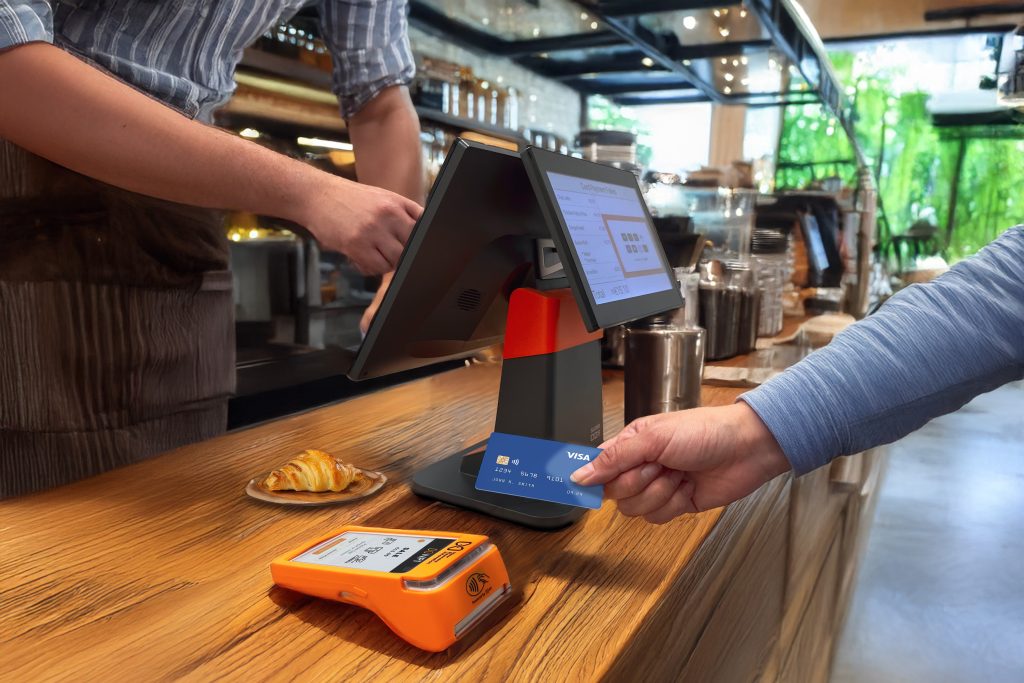
Cashless society Ireland is no longer a distant future concept, it’s happening right now. Recent data from the Central Bank of Ireland shows that cash transactions have dropped by 35% since 2020, whilst card and digital payments now account for over 80% of all retail transactions.
The cashless society Ireland is building brings both opportunities and challenges for small businesses across the country. Understanding the timeline and preparing your business now will help you stay ahead of the curve and meet customer expectations. Whether you run a café in Cork, a boutique in Dublin, or a shop in Galway, the transition to digital payments affects your bottom line.
Where Ireland Stands Today
The cashless society Ireland is developing has transformed the payment landscape dramatically over the past five years. Contactless payments became the preferred method during the pandemic, and consumers haven’t looked back.
Currently, debit cards are the most popular payment method in Ireland, followed closely by credit cards and mobile wallets like Apple Pay and Google Pay. The Central Statistics Office reports that 89% of Irish consumers now regularly use digital payment methods for everyday purchases.
Banks across Ireland have already begun reducing their physical cash infrastructure. AIB and Bank of Ireland have announced significant reductions in branch networks, focusing instead on digital banking services. This trend signals where the industry is headed.
Cash withdrawals from ATMs have decreased by over 40% in the past four years. For small businesses, this means fewer customers carry physical currency. The implications are clear: accepting only cash limits your potential customer base significantly.
The Cashless Society Ireland Timeline
2020 to 2023: Rapid Acceleration
The pandemic served as a major catalyst for cashless society Ireland development. Businesses quickly adopted contactless payment terminals to reduce physical contact. Consumer behaviour shifted permanently, with many Irish shoppers now preferring to leave their wallets at home entirely.
During this period, contactless payment limits increased from €30 to €50, making it easier for customers to tap and go for most everyday purchases. Retailers who invested in modern card machines during this time saw immediate benefits in transaction speed and customer satisfaction.
2024 to 2025: The Tipping Point
We’re currently at a critical juncture. Cash usage continues to decline by approximately 10% annually. The European Central Bank’s digital euro project is progressing, with pilot programmes expected to launch soon. Meanwhile, younger consumers aged 18 to 34 use cash for less than 15% of their transactions.
Irish retailers are responding accordingly. Major supermarket chains have introduced self-service checkouts that prioritise card payments. Some coffee shops and quick-service restaurants in Dublin have already gone completely cashless, testing the waters for broader adoption.
2026 to 2030: Predicted Trajectory
Industry experts predict that by 2030, cash will represent less than 10% of transactions in Ireland. Whilst physical currency won’t disappear entirely, businesses that rely heavily on cash will face significant competitive disadvantages.
The European Payments Council suggests that instant payment solutions and digital wallets will become the dominant payment methods across Europe. Ireland, with its tech-savvy population and strong digital infrastructure, is positioned to lead this transition.
What This Means for Irish SMEs
Customer Expectations Are Changing
Your customers increasingly expect multiple payment options. A recent survey found that 42% of Irish consumers have walked out of a shop because their preferred payment method wasn’t accepted. For small businesses, this represents lost revenue that’s entirely preventable.
Younger customers particularly expect seamless digital payment experiences. If your business only accepts cash, you’re potentially alienating a significant portion of the market. Tourists visiting Ireland also prefer using cards, as carrying foreign currency becomes less common.
Operational Benefits You Can’t Ignore
Digital payments offer tangible advantages for SMEs. Electronic transactions reduce the time spent counting cash, preparing bank lodgements, and reconciling daily takings. Many Irish business owners report saving three to five hours weekly after transitioning to primarily digital payments.
Security improves too. Cash theft and employee fraud become non-issues when physical money isn’t changing hands. Insurance premiums often decrease for businesses with minimal cash on premises. One Dublin retailer reported a 20% reduction in insurance costs after implementing a predominantly cashless system.
Accounting becomes simpler as well. Digital transactions create automatic records, making bookkeeping and VAT returns more straightforward. Your accountant will thank you, and you’ll spend less time buried in paperwork.
Cost Considerations
Transaction fees remain a concern for many SMEs. Card processing typically costs between 1% and 2.5% per transaction, depending on your provider and payment type. However, this cost must be weighed against the expense of cash handling, bank charges for lodgements, and potential theft.
Smart businesses negotiate competitive rates with their payment providers. Volume discounts and bundled services can significantly reduce overall costs. The key is finding a provider who understands Irish SME needs and offers transparent pricing without hidden fees.
Preparing Your Business for a Cashless Ireland
Start With the Right Payment Infrastructure
Modern EPOS systems integrate payment processing directly into your sales software. This creates efficiency whilst providing valuable data about customer purchasing patterns. Choose solutions that accept contactless cards, mobile wallets, and emerging payment methods.
Ensure your internet connection is reliable. Digital payments require consistent connectivity. Consider backup mobile data solutions for busy periods or connection issues. Nothing frustrates customers more than being unable to pay because your system is offline.
Many Irish businesses benefit from portable payment terminals. If you do deliveries, market stalls, or outside catering, mobile card readers let you accept payments anywhere. This flexibility increases sales opportunities significantly.
Train Your Team
Staff need confidence handling various payment technologies. Quick, efficient transactions at the till point improve customer experience and reduce queues. Regular training ensures everyone stays current with new payment methods.
Teach your team how to troubleshoot common issues. A declined card doesn’t mean the customer can’t pay – it might simply require them to insert the chip instead of tapping. Understanding these nuances creates smoother transactions.
Communicate With Customers
Let customers know which payment methods you accept. Clear signage at your entrance and till point prevents awkward situations. If you’re transitioning away from cash, give regular customers advance notice.
Social media is perfect for announcing payment updates. A simple post saying “We now accept Apple Pay and Google Pay” can attract new customers who specifically look for businesses offering their preferred payment method.
Addressing Common Concerns
What About Cash-Preferring Customers?
Some customers, particularly older generations, still prefer cash. The transition to a cashless society Ireland doesn’t mean immediately eliminating cash entirely. A hybrid approach works well during the transition period.
However, be aware that maintaining cash handling comes with costs. Balance customer preferences with operational efficiency. Many businesses find that offering card payments whilst accepting cash satisfies everyone during the adjustment period.
Are Digital Payments Really Secure?
Modern payment systems use advanced encryption and tokenisation. Card data is never stored on your terminal. PCI compliance standards ensure that payment processors maintain rigorous security protocols.
Digital payments are actually safer than cash for both businesses and customers. Chargebacks provide consumer protection, whilst businesses avoid the risks associated with handling physical money.
What If Technology Fails?
Valid concern, but modern payment systems are remarkably reliable. Choose providers with strong uptime records and responsive customer support. Having a backup 4G-enabled terminal provides peace of mind during internet outages.
The Competitive Advantage
Embracing the cashless society Ireland is building gives your business a competitive edge. Faster transactions mean shorter queues and happier customers. Better data helps you understand buying patterns and manage inventory more effectively.
You’ll also appear more modern and professional. First impressions matter, and businesses with sleek payment technology signal that they’re forward-thinking and customer-focused.
The Bottom Line
The cashless society Ireland is creating represents an opportunity to modernise operations, improve efficiency, and meet evolving customer expectations. The businesses that thrive will be those who embrace digital payments whilst maintaining the personal service that makes Irish retail special.
The timeline is clear: digital payments will dominate within five years. The question isn’t whether to adapt, but how quickly you can position your business for success in this new landscape. Starting now gives you time to transition smoothly, train your team properly, and build customer confidence in your payment systems.
Ready to future-proof your business with modern payment solutions? Our team at New Payment Innovation understands the unique challenges facing Irish SMEs. Contact us today or call us on 01 447 5299 to discuss how we can help you transition smoothly into Ireland’s digital payment future.