
Budget 2026 Ireland has finally arrived, and if you’re running a café, restaurant, or small business, you’ll want to know exactly how these changes affect your bottom line. Announced on 7 October 2025, this budget brings both opportunities and challenges for Ireland’s hospitality and retail sectors.
The Good News: VAT Is Coming Down (Eventually)
The headline announcement for hospitality businesses in Budget 2026 Ireland is the reduction of the VAT rate for food and catering services. Ministers have confirmed that VAT will drop substantially for businesses in the sector.
The rate will decrease from 13.5% to 9% for food and catering businesses, as well as hairdressing services. This sounds brilliant, but here’s the catch: the change won’t take effect until 1 July 2026.
For many restaurant and café owners who have been struggling with rising costs, this delay has caused frustration. The Vintners’ Federation of Ireland criticised the delay, saying it fails to deliver for thousands of traditional pubs fighting for survival.
The reduction is expected to provide meaningful relief once it kicks in. The measure will cost the Exchequer an estimated €232 million in 2026 and €681 million in a full year, showing the Government recognises the financial pressures facing the sector.
The Challenge: Minimum Wage Is Rising
Whilst the VAT reduction will eventually ease some pressure, Budget 2026 Ireland brings immediate cost increases for employers. The minimum wage will increase by 65 cents per hour to €14.15 per hour starting 1 January 2026.
For a small business employing several minimum wage workers, this represents a nearly 5% rise in wage costs. Up to 200,000 people in Ireland earn the minimum wage, with many working in hospitality, retail, and service sectors.
The Irish Small and Medium Enterprises Association described the increase as potentially challenging for businesses already operating on tight margins. Industry representatives note that the minimum wage has risen by 35% over four years, making it difficult for small businesses to absorb these ongoing increases.
What This Means for Your Cash Flow
Let’s be practical about the timeline. Your wage costs go up in January 2026, but your VAT relief doesn’t arrive until July 2026. That’s six months where you’ll be managing higher payroll expenses without the benefit of reduced VAT.
This timing creates a genuine cash flow challenge. Many small business owners will need to look carefully at their finances during this period to ensure they can manage the increased costs.
Small Business Support Measures
Budget 2026 Ireland includes several initiatives aimed at supporting small businesses beyond the hospitality sector changes.
The Department of Enterprise, Tourism and Employment receives €1.3 billion, with reforms including establishment of a Small Business Unit and Cost of Business Advisory Forum. This signals the Government recognises that small businesses need dedicated support structures.
The budget also includes enhanced research and development tax credits, which could benefit innovative small businesses looking to grow. The R&D credit rate increases from 30% to 35%, with the first year payment threshold rising to €87,500 to support smaller projects.
For businesses investing in innovation or developing new products and services, these enhanced credits could make a real difference.
Energy and Other Cost Reliefs
Households will receive €400 energy credits, and the reduced 9% VAT rate on gas and electricity bills has been extended to December 2030. Whilst these measures primarily help consumers, they may ease some of the cost of living pressures that have been squeezing customer spending power.
When your customers have a bit more breathing room in their budgets, they’re more likely to continue supporting local businesses.
What You Should Do Now
With Budget 2026 Ireland now confirmed, here are practical steps for hospitality and small business owners:
- Review Your Numbers: Calculate exactly how the minimum wage increase will affect your January payroll. Factor this into your cash flow projections for the first half of 2026. Understanding the precise impact of Budget 2026 Ireland helps you plan accordingly.
- Plan for July: Once the VAT reduction takes effect in July, you’ll need to decide how to use this benefit. Will you pass savings to customers through lower prices, or use it to rebuild margins? There’s no single right answer, it depends on your specific situation.
- Examine All Your Costs: With tighter margins, now is the time for a thorough review of all business expenses. Look at everything: utilities, suppliers, service contracts, and payment processing fees. Small savings across multiple areas can add up to meaningful relief.
- Look at the New Support Structures: Keep an eye out for how the new Small Business Unit and Cost of Business Advisory Forum develop. These could provide valuable resources, guidance, and perhaps additional support measures as they become operational.
- Consider Efficiency Improvements: Review your operations for areas where you can reduce waste, streamline processes, or use technology to work smarter. Sometimes operational improvements can offset cost increases.
- Talk to Other Business Owners: Your local business community can be an invaluable resource. Share strategies for managing these changes and learn from others who may have found creative solutions.
The Bigger Picture
Budget 2026 Ireland has been framed as a pro-investment package, marking a shift away from broad-based tax giveaways toward more targeted supports aimed at strengthening the country’s long-term economic resilience.
For small business owners, this means the Government is taking a more cautious approach. The days of generous once-off payments and significant tax cuts have been replaced with more measured, sustainable policies.
The total budget package amounts to €9.4 billion, with €8.1 billion committed to public spending and €1.3 billion in taxation measures. This reflects an economy that remains strong but is being managed carefully given global uncertainties.
Looking Forward
Budget 2026 Ireland presents a mixed picture for hospitality and small business sectors. The VAT reduction is genuinely helpful, but its delayed implementation means you’ll need to navigate challenging months first.
Success in 2026 will come down to careful planning, smart cost management, and making informed decisions about your business operations. The hospitality sector has proven remarkably resilient through various challenges in recent years, and with proper preparation, businesses can adapt to these changes.
The key is to start planning now rather than waiting until January. Understanding the impact of these changes gives you time to adjust your strategy and make thoughtful decisions rather than reactive ones.
For more detailed information on all Budget 2026 measures, visit the official Government budget page.
Reduce Your Payment Processing Costs Today
With Budget 2026 Ireland bringing increased wage costs and a six-month wait for VAT relief, every euro matters more than ever. One area many hospitality and retail businesses overlook is their payment processing fees.
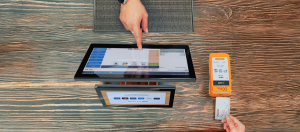
At New Payment Innovation, we specialise in helping Irish businesses save significantly on card transaction costs. Our transparent pricing and competitive rates mean you keep more of your hard-earned revenue.
Whilst you’re preparing for the changes ahead, now is the perfect time to review your payment processing costs. We can show you exactly how much you could save each month.
Call us on 01 447 5299 to discuss better payment solutions for your business. Let’s help you navigate 2026 with confidence.