
Card Machine Receipt Paper: Best 2025 Complete Guide to Thermal Paper in Ireland
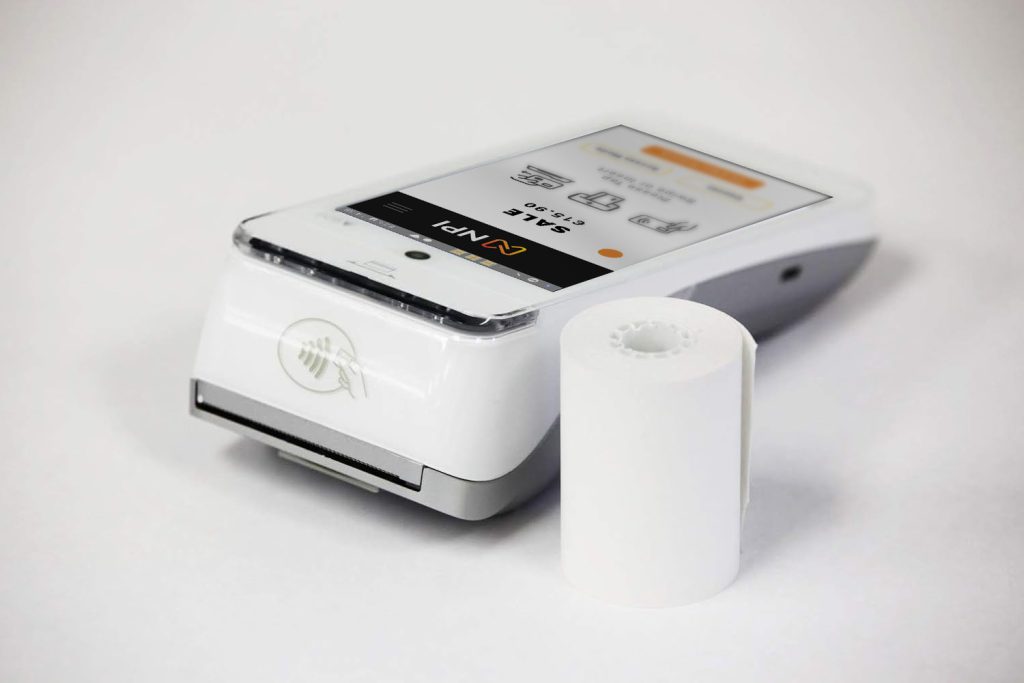
Selecting the right card machine paper Ireland supplies directly impacts customer service quality, operational costs, and equipment reliability. From busy Dublin restaurants to remote Kerry gift shops, thermal receipt paper quality affects transaction efficiency.
Understanding Thermal Receipt Paper
Card machine paper Ireland thermal printing relies on heat-sensitive chemical coatings that react to print head temperatures to create visible text without requiring ink. This technology provides reliable printing whilst minimising maintenance requirements.
Paper quality variations significantly impact both print quality and equipment performance. Premium papers provide better print clarity, longer fade resistance, and reduced equipment wear compared to economy alternatives.
Technical specifications include basis weight, caliper thickness, and heat sensitivity parameters. Standard thermal paper weights range from 48gsm to 80gsm, with heavier papers typically providing better durability.
Paper Specifications and Sizes
Thermal receipt paper standard widths include 57mm and 80mm formats. The 57mm width serves compact terminals whilst 80mm width supports detailed receipts with logos and promotions.
Roll length variations typically range from 25 metres to 150 metres. Paper thickness specifications typically range from 55 microns to 76 microns.
Different payment terminal models require specific paper dimensions and core specifications. Card machine paper Ireland compatibility verification prevents equipment problems. Core diameter standards include 12mm and 25mm options.
Premium grade thermal receipt paper provides superior print quality and equipment compatibility. Standard grade papers offer balanced performance and cost characteristics. Economy grade papers provide basic functionality at lowest costs.
Ordering and Supplier Selection
Card machine paper Ireland supplier selection requires evaluation of product quality, pricing, delivery reliability, and customer service. Local Irish suppliers often provide advantages including faster delivery and local support.
Quality consistency represents a critical supplier evaluation criterion. Technical support capabilities including compatibility guidance enable optimal paper selection.
Volume purchasing strategies often provide significant cost savings. Contract pricing arrangements may provide cost predictability and volume discounts. Sample testing programmes enable paper evaluation before bulk purchases.
Cost Optimisation
Card machine paper Ireland cost optimisation requires comprehensive analysis that includes paper purchase costs, shipping expenses, and storage requirements.
Equipment maintenance cost implications from paper quality variations include cleaning requirements and part replacement frequency. Quality papers often reduce equipment wear.
Storage requirement planning includes space allocation, environmental control, and inventory rotation. Proper storage conditions prevent paper degradation. Inventory level optimisation balances carrying costs with stockout risks.
Price comparison strategies include evaluation of total delivered costs rather than unit prices alone. Negotiation tactics leverage volume commitments to secure favourable pricing.
Environmental Impact
Sustainable card machine paper Ireland options include FSC-certified papers from responsibly managed forests and recycled content papers. BPA-free thermal papers address health and environmental concerns.
Payment terminal supplies waste reduction strategies include digital receipt options and receipt printing optimisation. These approaches often provide cost savings alongside environmental benefits.
Transportation optimisation through local sourcing reduces carbon footprint whilst potentially providing cost benefits. Equipment efficiency improvements through optimal paper selection can reduce energy consumption.
Troubleshooting
Card machine paper Ireland quality issues include print fading, paper jams, and feed failures. Understanding common problems enables proactive prevention through appropriate paper selection.
Print quality problems often result from paper quality variations or equipment maintenance issues. Equipment damage from poor quality paper includes print head wear.
Proper storage procedures include temperature control, humidity management, and protection from contaminants. Handling procedures including roll installation techniques help maintain optimal performance.
Performance monitoring procedures include print quality assessment and equipment performance tracking. Regular monitoring enables proactive maintenance.
Technology Trends
Digital receipt options including email and SMS delivery reduce card machine paper Ireland consumption whilst providing customer convenience. Hybrid receipt strategies combining paper receipts with digital copies provide flexibility.
Colour thermal printing technology creates new receipt options including marketing messages. High-resolution thermal printing provides improved print quality for logos and graphics.
Synthetic thermal papers offer enhanced durability and chemical resistance. Security thermal papers include tamper-evident features.
Industry-Specific Requirements
Retail businesses require card machine paper Ireland that supports diverse receipt content including promotional messages. Product return procedures require durable receipts that maintain legibility throughout extended periods.
Hospitality businesses require payment terminal supplies that perform reliably in challenging environments including high humidity. Kitchen receipt requirements include grease resistance and temperature tolerance.
Healthcare applications require thermal receipt paper that meets hygiene standards whilst providing durability for medical record keeping.
Regulatory Compliance
Card machine paper Ireland must support compliance with Revenue Commissioners receipt requirements including mandatory information display.
VAT receipt obligations require clear printing of tax amounts and business identification. Competition and Consumer Protection Commission guidelines establish standards.
GDPR compliance for receipt content requires careful consideration of personal information display. Payment card information display restrictions require careful receipt content management.
Waste disposal regulations for thermal paper may include specific requirements. Health and Safety Authority guidelines provide framework for safe handling procedures.
Optimise Your Receipt Paper Selection
Card machine paper Ireland selection represents a strategic operational decision that affects customer experience, equipment reliability, and operational costs. Thermal receipt paper quality directly impacts equipment performance and maintenance requirements.
Payment terminal supplies procurement optimisation requires balancing quality requirements with cost considerations. Understanding technical specifications, environmental considerations, and regulatory requirements enables informed decisions.
Ready to optimise your receipt paper procurement? Contact New Payment Innovation at 01-4475299 to discuss paper selection strategies and cost optimisation approaches.
Related Resources: