
How to Reduce Card Processing Costs Without Compromising Service
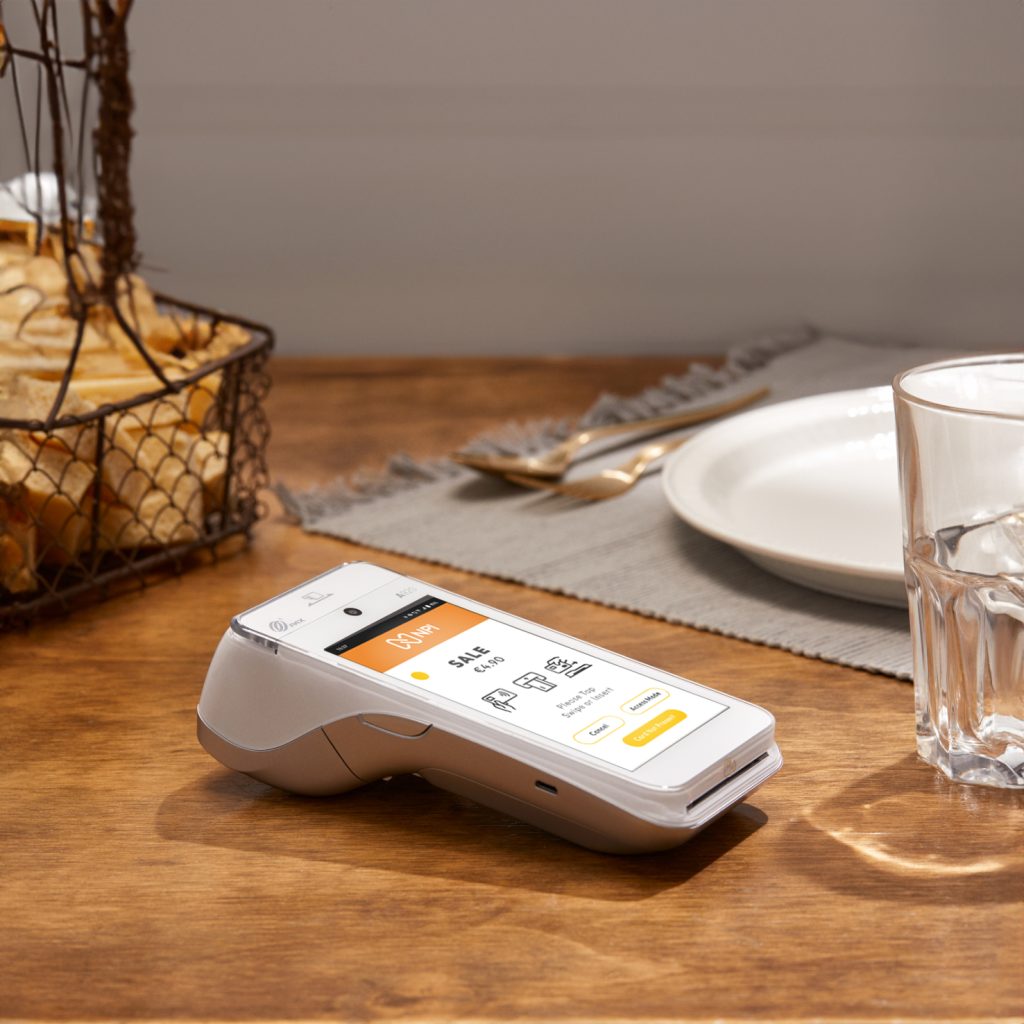
As an Irish business owner, payment processing fees can significantly impact your bottom line. Finding a card machine with lowest fees Ireland offers while maintaining excellent service quality is a challenging but essential task. This comprehensive guide explores practical strategies to reduce card payment costs without sacrificing the customer experience or operational efficiency.
Understanding the Card Payment Fee Landscape in Ireland
Before diving into cost-reduction strategies, it’s crucial to understand the fee structure that makes up your card payment expenses.
The Typical Fee Structure
Card payment processing fees in Ireland typically consist of several components:
- Interchange Fees: These are set by card networks (Visa, Mastercard, etc.) and paid to the card-issuing bank. They typically range from 0.2% to 2% of each transaction depending on card type.
- Scheme Fees: These are paid to the card networks and usually amount to around 0.1% to 0.15% per transaction.
- Acquirer Markup: This is the fee your payment processor charges for their services, typically ranging from 0.3% to 1% plus a per-transaction fee (often €0.10 to €0.25).
- Monthly Fees: Many providers charge fixed monthly fees for account maintenance, PCI compliance, and other services.
- Additional Charges: These might include setup fees, minimum monthly charges, early termination fees, chargeback fees, and more.
According to Compayre.ie, merchant fees in Ireland typically range from 0.6% to 2.75% for transactions, with monthly account fees varying from €10 to €50 depending on the provider and package.
Common Pricing Models
Payment processors in Ireland typically use one of three pricing models:
- Interchange-Plus (IC+): This transparent model separately lists the interchange fee plus the processor’s markup. For example, interchange + 0.3% + €0.10 per transaction.
- Tiered Pricing: Transactions are categorized into tiers (qualified, mid-qualified, non-qualified) with different rates for each, often making it difficult to understand your true costs.
- Flat-Rate Pricing: A single rate regardless of card type or transaction method. While simple, this can be more expensive for businesses with higher transaction volumes.
Understanding these models is essential for comparing providers and negotiating better rates. As noted by Merchant Maverick, interchange-plus pricing usually offers the most transparency and potential for savings.
Negotiation Strategies for Lower Processing Fees
Armed with knowledge about fee structures, you can employ various negotiation tactics to secure a card machine with lowest fees Ireland has to offer.
1. Know Your Business Numbers
Before approaching any provider, gather detailed information about your business:
- Monthly processing volume: Total amount processed via card payments each month
- Average transaction value: Typical purchase amount
- Card mix: Percentages of debit cards, credit cards, premium cards, etc.
- Processing methods: Percentages of in-person versus online transactions
These figures give you leverage in negotiations and help providers offer appropriate rates. According to TouchBistro, having concise answers about your business when approaching service providers can lead to more customized and competitive pricing.
2. Shop Around and Compare Offers
Never settle for the first offer you receive. Request quotes from multiple providers, including:
- Traditional banks
- Independent sales organizations, including New Payment Innovation
- Payment facilitators and mobile payment providers
- Newer fintech companies and digital banking platforms
When comparing offers, look beyond the headline rates to examine:
- All transaction fees (different card types, contactless, etc.)
- Monthly/annual fees
- Hardware costs (purchase vs. rental)
- Contract terms and early termination fees
- Settlement timeframes
According to recent market research, several providers in Ireland offer competitive rates for small businesses, with some mobile payment solutions charging as little as 1.69% per transaction with no monthly fees, while others provide transaction rates as low as 0.3% plus monthly fees starting from €9.99.
3. Leverage Competitive Offers
Once you have multiple quotes, use them as leverage in negotiations. Merchant Savvy suggests that shopping around for quotes gives you immediate leverage with your current processor.
Specific tactics include:
- Presenting lower quotes to your preferred provider and asking them to match or beat the rate
- Highlighting specific fee components that competitors are offering at lower rates
- Requesting fee waivers for components like PCI compliance fees or monthly minimums
- Asking for free or discounted hardware to offset other costs
Many providers have flexibility in their pricing and would rather keep your business at a lower rate than lose you entirely.
4. Negotiate Beyond the Rate
Sometimes providers cannot lower their percentage rates, but they can offer value in other ways:
- Shorter contract terms: Avoid lengthy commitments that limit your flexibility
- Waived setup fees: Many providers will waive setup fees upon request
- Free equipment: Request free terminals instead of rentals or purchases
- No early termination fees: Ensure you can leave without penalties if service quality declines
- Faster settlement times: Negotiate for next-day rather than multi-day settlement
According to New Payment Innovation, some providers offer rental charges from just €9.99 a month with transaction rates as low as 0.3%, but it’s important to understand the complete fee structure rather than focusing on a single number.
5. Consider Your Timing
Strategic timing can improve your negotiating position:
- Contract renewal periods: Providers are more willing to negotiate when your current contract is expiring
- End of month/quarter: Sales representatives often have quotas, making them more flexible near period ends
- After processing volume increases: Approach providers with evidence of growth to negotiate better rates
- Industry busy seasons: Negotiating before your peak season gives you maximum leverage
As noted by Merchant-Accounts.ca, it’s reasonable to revisit your fees periodically, especially if your business circumstances have changed.
Optimizing Your Payment Operations for Lower Costs
Beyond negotiation, you can implement operational changes to reduce card payment costs for your Irish business.
1. Choose the Right Pricing Model for Your Business
Different business types benefit from different pricing models:
- High transaction volume, low average sale: Interchange-plus typically offers the best value
- Low transaction volume, high average sale: Flat-rate pricing might be simpler and more cost-effective
- Primarily B2B transactions: Specialized B2B processors often offer better rates for commercial cards
According to Century Business Solutions, analyzing your last three months of statements can help you determine your average processing fees and identify the pricing model that would save you the most.
2. Minimize Processing Risk
Processors charge higher rates to businesses they consider higher risk. Implementing these practices can help reduce your risk profile and potentially lower your rates:
- Implement strong fraud prevention: Address verification services (AVS), card verification values (CVV), and 3D Secure all reduce fraud risk
- Maintain PCI compliance: Complete all required security assessments to avoid non-compliance fees
- Reduce chargebacks: Implement clear return policies and responsive customer service to minimize disputes
- Batch transactions daily: Regular batching improves cash flow and can reduce certain processing fees
Merchant Cost Consulting emphasizes that staying PCI compliant and using address verification services helps keep processing rates low.
3. Optimize Transaction Methods
The way you accept payments impacts your processing costs:
- Encourage chip and PIN or contactless payments: These typically have lower fees than manually keyed transactions
- Process card-present transactions whenever possible: Online and phone payments typically incur higher fees due to increased fraud risk
- Consider setting minimum purchase amounts for card payments: This helps ensure transaction fees don’t consume the entire profit margin on small purchases
- Train staff on proper card acceptance procedures: Proper authorization and settlement procedures minimize costly errors and downgrades
According to Lightspeed, swiped transactions usually cost less than keyed-in transactions, making it worthwhile to encourage in-person payments whenever possible.
4. Consider Alternative Payment Methods
Expanding your payment options can reduce overall processing costs:
- Bank transfers: Services like open banking payments typically have lower fees than card payments
- Digital wallets: Some processors offer lower rates for Apple Pay, Google Pay, and other digital wallets
- Direct debit: For recurring payments, direct debit can be more cost-effective than card processing
- Cash discounts: Offering small discounts for cash payments can reduce card processing volume while maintaining customer satisfaction
Korona POS notes that digital wallets often incur lower fees than traditional credit card transactions while also reducing fraud risk.
5. Regularly Review Statements and Fees
Ongoing monitoring helps identify unexpected charges and opportunities for savings:
- Audit monthly statements: Review all line items to identify unexpected or increasing fees
- Compare actual rates to quoted rates: Ensure you’re receiving the rates you negotiated
- Track your effective rate: Calculate your total fees divided by total volume to monitor your overall cost
- Question new or increased fees: Processors sometimes add fees that can be removed upon request
According to Business News Daily, regularly reviewing your statements helps you identify which fees might be negotiable and gives you the confidence to discuss them with your processor.
Top Considerations When Choosing a Low-Fee Card Machine in Ireland
If you’re looking for a card machine with lowest fees Ireland provides, consider these key factors that can significantly impact your overall costs:
Transaction Fee Structure
- Percentage rates: Look for competitive percentage rates appropriate for your business volume
- Fixed per-transaction fees: Even small per-transaction fees add up with high volumes
- Card type variations: Understand how rates differ for debit, credit, and premium cards
- Contactless/chip rates: Ensure contactless transactions aren’t charged at higher rates
Additional Fees and Costs
- Monthly service fees: Some providers charge no monthly fees while others include various services
- Hardware costs: Consider purchase vs. rental options and total cost over expected usage period
- Settlement timeframes: Faster settlement can improve cash flow
- Contract requirements: Some providers offer pay-as-you-go while others require term commitments
Customer Support and Reliability
- Support availability: 24/7 support can be crucial for businesses operating outside standard hours
- Connection reliability: Solutions with multiple connectivity options (4G, WiFi) offer better reliability
- Offline capability: Some terminals can process offline when connectivity is interrupted
- Setup simplicity: Consider the ease of implementation and staff training requirements
Visit NPI’s card machine page to learn more about their competitive pricing and hardware options.
Case Study: Irish Retail Success Story
A Dublin-based boutique clothing store was paying approximately 2.8% in total processing fees, plus €45 in monthly fees to their traditional bank provider. After implementing several strategies from this guide, they achieved significant savings:
- Gathered transaction data: Three months of statements showed they processed €25,000 monthly with an average transaction of €85.
- Shopped multiple providers: They received quotes from five different processors, with rates ranging from 0.9% to 2.5%.
- Negotiated with preferred provider: They presented competitive quotes to their preferred provider, who offered:
- Interchange-plus pricing at interchange + 0.4% + €0.05
- No monthly minimum requirement
- Free terminal (no rental fee)
- Next-day funding
- 24-month agreement with no early termination fee
- Implemented operational changes:
- Trained staff to encourage contactless payments
- Implemented stronger fraud prevention measures
- Started batching transactions daily
- Set a €10 minimum for card transactions
Result: Their effective processing rate dropped from 2.8% to approximately 1.2%, saving nearly €5,000 annually. Additionally, eliminating monthly fees and terminal rental saved another €900 per year.
Conclusion: Finding the Balance Between Cost and Service
While reducing card payment costs is important, it shouldn’t come at the expense of service quality or customer experience. The ideal solution balances competitive rates with reliable service, robust features, and excellent support.
When evaluating potential providers, consider these factors alongside costs:
- Reliability: How stable is the payment system? What is the uptime percentage?
- Customer support: Is help available when you need it? How responsive is the support team?
- Integration capabilities: Does the system work with your existing POS, accounting software, or e-commerce platform?
- Security features: What fraud prevention tools are included? How is customer data protected?
- Growth support: Can the provider scale with your business as transaction volume increases?
By applying the negotiation strategies and operational optimizations outlined in this guide, Irish businesses can significantly reduce their card processing costs while maintaining—or even improving—their payment service quality.
Remember that the card payment landscape continues to evolve, so regularly reassessing your processor and negotiating better terms should become a standard part of your financial management routine. With the right approach, you can find a card machine with lowest fees Ireland offers while still delivering excellent payment experiences to your customers.
Tags: card machine with lowest fees Ireland, reducing card payment costs, payment processing negotiation, merchant services Ireland, card transaction fees, card terminal costs, payment processors Ireland, interchange fees, POS systems Ireland, card payment optimization