
The True Cost of Cash vs. Card Payments for Irish Businesses
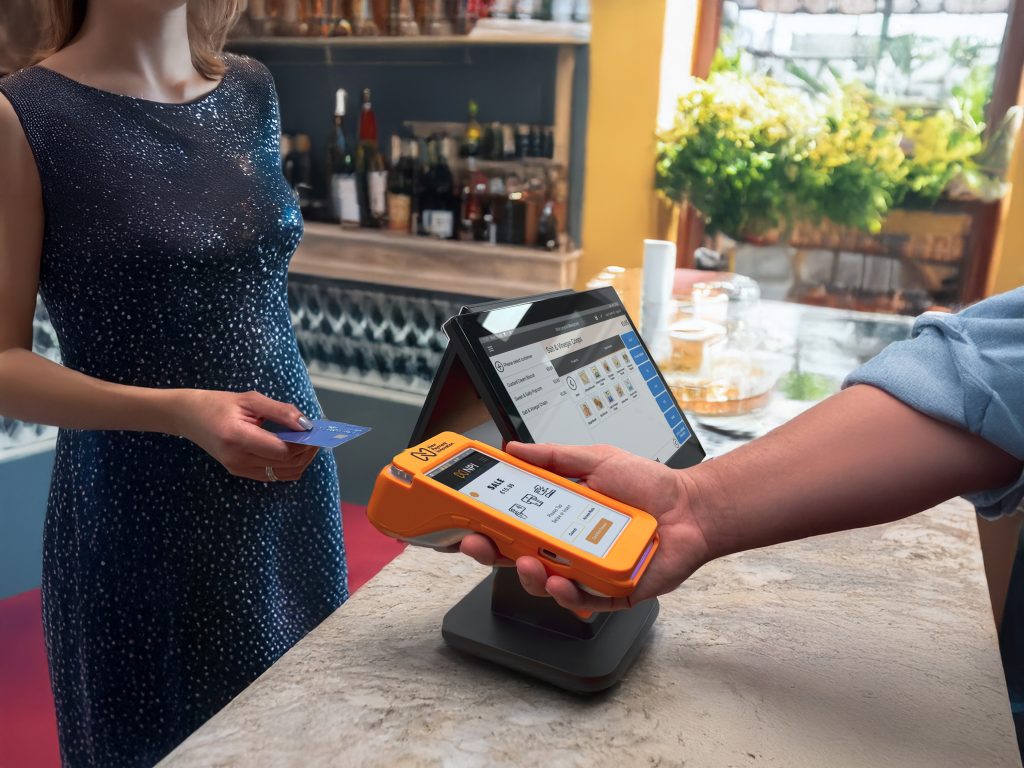
Recent card payments vs cash Ireland statistics reveal a significant shift in how consumers prefer to pay, with digital transactions now accounting for over 70% of all purchases. This transition from physical notes and coins to tap-and-go convenience is reshaping the payment landscape for businesses across every sector. While cash has long been perceived as the “free” payment option, savvy Irish business owners are discovering that accepting cash actually carries substantial hidden costs that can significantly impact profitability. Understanding the true economics of payment processing is essential for making informed decisions about which payment methods to support and promote within your business.
During a recent small business forum in Dublin, café owner James Murphy shared a revealing discovery: “For years, I resisted card payments because I was focused on the obvious processing fees. Once I actually calculated the full cost of handling cash—from staff time and banking fees to security measures and errors—I realized card payments were actually 37% more cost-effective for my business, even after accounting for transaction fees.”
This comprehensive guide examines the complete financial picture of card payments vs cash in Ireland, analyzing the direct costs, operational impacts, and strategic implications for businesses of all sizes.
Comparing Card Payments vs Cash Ireland Statistics: The Shifting Payment Landscape
Before diving into cost analysis, let’s examine how Irish payment preferences have evolved:
The Rapid Decline of Cash Usage in Ireland
Recent data paints a clear picture of changing consumer behavior:
Current Payment Trends:
- Card payments now account for 73% of all in-store transactions in Ireland
- Cash usage declined from 54% of payments in 2018 to just 27% in 2023
- Contactless transactions grew by 62% between 2020 and 2023
- Digital wallet adoption increased by 183% over the past four years
- 79% of Irish consumers report carrying less than €20 in cash regularly
According to the Banking & Payments Federation Ireland, contactless payments alone now average over 2.5 million transactions daily across the country, with the average transaction value increasing 42% since 2019.
“The statistics are undeniable—Irish consumers have embraced digital payments faster than most European countries,” explains finance expert Mary O’Sullivan. “Businesses that haven’t adapted their payment strategies to this new reality are increasingly finding themselves at a competitive disadvantage.”
For a detailed breakdown of payment trends by business sector, visit our Irish Payment Trends Analysis which provides industry-specific insights.
The Benefits of Cashless Business Ireland Businesses Experience
Irish businesses transitioning to cashless operations report several advantages:
Reported Benefits:
- 78% cite improved transaction speed and efficiency
- 83% report reduced security concerns and risks
- 65% experience fewer accounting errors and discrepancies
- 71% note improved cash flow management
- 59% see increased average transaction values
Research from Enterprise Ireland indicates that small businesses implementing predominantly cashless operations experienced an average 11% increase in revenue, primarily through higher transaction values and improved operational efficiency.
“Moving toward a cashless model has transformed our business fundamentally,” shares Thomas Walsh, who operates three retail locations in Cork. “Beyond the direct cost savings, we’ve gained valuable customer insights, streamlined our operations, and created a more seamless shopping experience.”
The Hidden Costs of Cash: What Irish Businesses Often Overlook
When comparing card payments vs cash Ireland businesses often focus solely on card processing fees while overlooking the substantial costs associated with handling physical currency:
Direct Financial Costs of Cash Handling
Cash incurs several explicit expenses that impact your bottom line:
Banking and Cash Management Fees:
- Cash lodgment fees (typically €0.50-€3.00 per transaction)
- Coin ordering charges (€2.50-€5.00 per roll)
- Night safe rental (€200-€350 annually)
- Excess cash handling fees (0.25%-0.50% of value)
- Cash collection services (€30-€60 per collection)
According to AIB Business Banking, the average Irish retail business with €10,000 weekly cash sales spends approximately €3,200 annually on explicit cash handling fees alone.
Cash Handling Equipment:
- Cash registers (€300-€1,200)
- Cash drawers (€100-€250)
- Counterfeit detection equipment (€90-€400)
- Safes (€200-€2,000+)
- Cash counting machines (€200-€800)
- Maintenance and replacement costs
“The equipment costs for properly handling cash are substantial and ongoing,” notes retail consultant Sean O’Brien. “Most businesses underestimate both the initial investment and the regular maintenance these systems require.”
Staff Time and Operational Inefficiency
The labor costs associated with cash handling represent one of the largest hidden expenses:
Daily Cash Operations:
- Till reconciliation (15-30 minutes per register, daily)
- Cash counting and verification (10-20 minutes per shift)
- Safe management (5-10 minutes daily)
- Change preparation (10-15 minutes daily)
- Discrepancy resolution (varies)
Banking Activities:
- Preparing bank lodgments (15-30 minutes per deposit)
- Bank visits or cash collection coordination (30-60 minutes per visit)
- Accounting reconciliation (30-60 minutes weekly)
- Change ordering and management (15-30 minutes weekly)
A comprehensive study by Retail Excellence Ireland found that the average Irish retail business spends 7-9 hours weekly on cash handling activities, representing approximately €5,200-€8,800 in annual labor costs for a single location.
To calculate the specific labor costs for your business, try our Cash Handling Cost Calculator which factors in your staff hourly rates and transaction volumes.
Security Costs and Risk Exposure
Cash creates significant security vulnerabilities and associated expenses:
Security Measures:
- CCTV systems (€500-€2,500 installation, plus maintenance)
- Staff security training
- Enhanced insurance premiums
- Physical security measures
- Cash transit protection
Risk Factors:
- Employee theft (accounts for 3-5% of cash losses)
- External theft and robbery
- Processing errors and discrepancies
- Counterfeit currency acceptance
- Cash shrinkage (typically 1-2% of cash revenue)
“Many businesses fail to account for the increased insurance costs associated with keeping cash on premises,” explains insurance specialist Claire Murphy. “Businesses that substantially reduce their cash holdings can often negotiate premium reductions of 5-15%.”
The Economics of Card Payments for Irish Businesses
Understanding the true cost structure of card processing helps businesses make informed decisions:
Transparent Fee Structures of Card Payments vs Cash Ireland Costs
Card payment expenses are generally more visible but often less than perceived:
Standard Fee Components:
- Transaction percentage (typically 0.8%-1.75% for debit, 1.5%-2.5% for credit)
- Per-transaction fixed fees (€0.10-€0.30)
- Monthly terminal rental (€15-€40)
- PCI compliance fees (€5-€15 monthly)
- Chargeback fees (rare for in-person transactions)
According to the Competition and Consumer Protection Commission, the effective blended rate for card acceptance in Ireland typically ranges from 1.1% to 2.3% of transaction value, depending on business type, volume, and card mix.
Cost Optimization Opportunities:
- Volume-based rate improvements
- Optimal pricing plan selection
- Transaction batching
- Next-day settlement options
- Industry-specific packages
For a detailed comparison of different card processing options, visit our Payment Processing Comparison Guide, which helps businesses identify the most cost-effective solution for their specific transaction profile.
“We negotiated our card processing rates based on our actual transaction profile,” shares Fiona Lynch, who runs a busy café in Galway. “By selecting the right pricing structure for our typical transaction size and volume, we reduced our effective rate from 2.1% to 1.3%.”
Operational Benefits of Card Payments that Impact Profitability
Card payments create several efficiency advantages that directly benefit the bottom line:
Transaction Speed and Volume:
- 3-4 times faster checkout compared to cash
- Ability to process more sales during peak periods
- Reduced queuing and improved customer throughput
- Decreased staff requirements during busy periods
- Automatic end-of-day reconciliation
Administrative Efficiencies:
- Automated accounting integration
- Simplified tax reporting and compliance
- Detailed transaction reporting and analytics
- Reduced manual counting and verification
- Minimized error resolution requirements
A time-motion study conducted by Dublin City University Business School found that businesses processing predominantly card payments completed 32% more transactions per hour during peak periods compared to cash-heavy operations.
Learn more about optimizing your payment operations through our Business Efficiency Guide, which includes practical strategies for streamlining payment processes.
The Benefits of Cashless Business Ireland: Security and Risk Reduction
Card payments substantially reduce security vulnerabilities:
Risk Mitigation Factors:
- Elimination of cash theft risk
- Reduced staff fraud opportunity
- Automated security measures
- Enhanced transaction documentation
- Chargeback protection for legitimate transactions
Financial Impact:
- Reduced insurance premiums (8-15% average reduction)
- Decreased security equipment requirements
- Minimized cash handling errors and losses
- Lower banking and cash management fees
- Reduced need for physical security measures
“After transitioning to a predominantly cashless operation, we were able to renegotiate our insurance policy for a 12% reduction in premiums,” explains Patrick Kelly, who operates a retail chain across Ireland. “Our insurer recognized the substantially reduced risk profile of our business.”
Comprehensive Cost Analysis: Card Payments vs Cash Ireland Business Impact
Let’s compare the complete financial picture for an average Irish retail business:
Scenario: Medium-Sized Retail Operation
Business Profile:
- €30,000 weekly revenue
- Currently 60% card / 40% cash payments
- 3 point-of-sale positions
- 2 daily bank deposits
- 5 staff members handling cash
Cash Handling Costs (Annual):
- Banking fees: €4,200
- Staff time (cash management): €12,600
- Cash handling equipment: €1,800
- Security costs: €3,200
- Cash shrinkage and errors: €2,500
- Total Cash Cost: €24,300 (5.1% of cash revenue)
Card Processing Costs (Annual):
- Transaction fees: €15,600
- Terminal rental: €1,440
- PCI and service fees: €600
- Chargeback management: €200
- Total Card Cost: €17,840 (1.6% of card revenue)
Comparative Analysis:
- Cash handling costs: 5.1% of cash revenue
- Card processing costs: 1.6% of card revenue
- Net difference: 3.5% higher cost for cash transactions
This analysis demonstrates that despite the visible fees associated with card processing, the total cost of cash handling is actually substantially higher for most Irish businesses.
Benefits of Cashless Business Ireland Case Study: Dublin Café Transformation
The Coffee House, a mid-sized café in Dublin, provides a compelling real-world example:
Before Cashless Transition:
- 55% cash / 45% card payments
- 12 minutes daily till reconciliation per register
- Weekly bank visits taking 2 hours
- Frequent cash handling errors (€75-100 weekly)
- Staff time dedicated to cash: 11 hours weekly
- Security concerns during peak periods
After 90% Cashless Transition:
- Card processing fees increased by €4,800 annually
- Banking fees reduced by €2,200 annually
- Staff time saved: 8 hours weekly (€7,800 value)
- Cash shrinkage eliminated (€3,600 annual savings)
- Faster customer throughput increasing capacity
- Security incidents reduced to zero
Net Annual Impact:
- Additional card fees: €4,800
- Total savings and benefits: €13,600
- Net positive impact: €8,800 annually
“The financial impact was significant and measurable,” explains owner Niamh Brennan. “But equally important were the non-financial benefits: reduced stress, improved customer service, better staff allocation, and valuable business insights from our transaction data.”
Implementation Strategies: Transitioning to More Card Payments
For businesses looking to optimize their payment mix, consider these approaches:
Gradual Transition Strategy for Traditional Businesses
A phased approach often works best for established operations:
Step 1: Optimize Current Card Processing
- Review and negotiate processing rates
- Upgrade to modern terminals with contactless
- Implement integrated POS systems
- Train staff on efficient card handling
- Monitor and analyze transaction data
Step 2: Incentivize Card Usage
- Position card terminals prominently
- Train staff to default to card suggestions
- Consider minimum cash transaction amounts
- Offer small incentives for digital payments
- Market contactless convenience to customers
Step 3: Reduce Cash Infrastructure
- Decrease cash floats and on-hand currency
- Reduce banking frequency
- Simplify cash handling procedures
- Reallocate staff from cash management
- Consider cash-free periods or registers
“We implemented a gradual transition over six months,” shares Thomas Walsh, who operates a neighborhood grocery. “This allowed both our staff and regular customers to adjust comfortably to the new payment preferences.”
For a step-by-step implementation roadmap, download our Cashless Transition Guide which includes staff training materials and customer communication templates.
Digital-First Approach for New Ventures
New businesses can implement cashless operations from the start:
Strategic Elements:
- Design physical space without cash infrastructure
- Select comprehensive digital payment systems
- Implement mobile and alternative payment methods
- Create clear customer communication about payment options
- Train staff exclusively on digital transaction handling
Communication Approach:
- Clear signage about payment options
- Staff prepared with explanations
- Digital payment benefits highlighted
- Alternative options for exceptional cases
- Emphasis on speed and convenience
“Starting with a digital-first approach allowed us to design our entire operation around efficient payments,” notes Emma Lynch, who recently opened a fast-casual restaurant in Cork. “Our staff never had to unlearn cash handling habits, and customers understood our payment model from day one.”
Future Outlook: The Evolving Landscape of Irish Payments
Understanding emerging trends helps businesses prepare for further evolution:
Advancing Benefits of Cashless Business Ireland Will Experience
Several key trends are accelerating the transition away from cash:
Technology Developments:
- Biometric payment authentication
- Integrated loyalty and payment systems
- Expanded instant bank transfer options
- Enhanced data analytics and customer insights
- Seamless omnichannel payment experiences
Consumer Behavior Shifts:
- Growing expectation for contactless options
- Decreased cash carrying among all demographics
- Increased comfort with digital wallets
- Rising preference for receipt-free transactions
- Growing adoption across older age groups
According to Central Bank of Ireland projections, cash transactions are expected to represent less than 15% of all payments by 2026, making card and digital payment optimization increasingly important for business competitiveness.
Policy and Regulatory Considerations
Irish businesses should monitor these developing factors:
Regulatory Trends:
- Central Bank digital currency explorations
- Evolving cash access requirements
- Payment services directive updates
- Consumer protection enhancements
- Competition regulations in payment processing
“The regulatory landscape continues to evolve to support digital payments while ensuring consumer protection,” explains financial policy expert Seamus O’Connor. “Businesses that stay informed about these developments will be best positioned to adapt their payment strategies accordingly.”
Conclusion: Making Strategic Payment Decisions for Your Irish Business
The card payments vs cash Ireland statistics clearly demonstrate that the financial equation has shifted decisively in favor of digital transactions for most businesses. When all costs are properly accounted for, card payments typically represent a more economical, efficient, and secure option than traditional cash handling.
The benefits of cashless business Ireland operations experience extend beyond direct cost savings to include:
- Improved operational efficiency
- Enhanced security and reduced risk
- Better customer experience and throughput
- Valuable business intelligence and data
- Simplified accounting and financial management
Rather than focusing solely on visible processing fees, forward-thinking business owners are now conducting comprehensive cost analyses that include all direct and indirect expenses associated with different payment methods. This holistic approach reveals that despite transaction fees, card payments often represent the more economical choice when all factors are considered.
For a personalized analysis of how transitioning to card payments could benefit your specific business, contact our team for a free consultation about optimizing your payment strategy.
About New Payment Innovation (NPI): We’re an Irish-owned payment solutions provider specializing in helping businesses optimize their payment operations and technology. With offices in Dublin and Cork, we pride ourselves on offering jargon-free advice and local support for businesses across Ireland. Learn more about NPI.