
Cloud EPOS vs Traditional Systems: Which is Right for Your Irish Business?
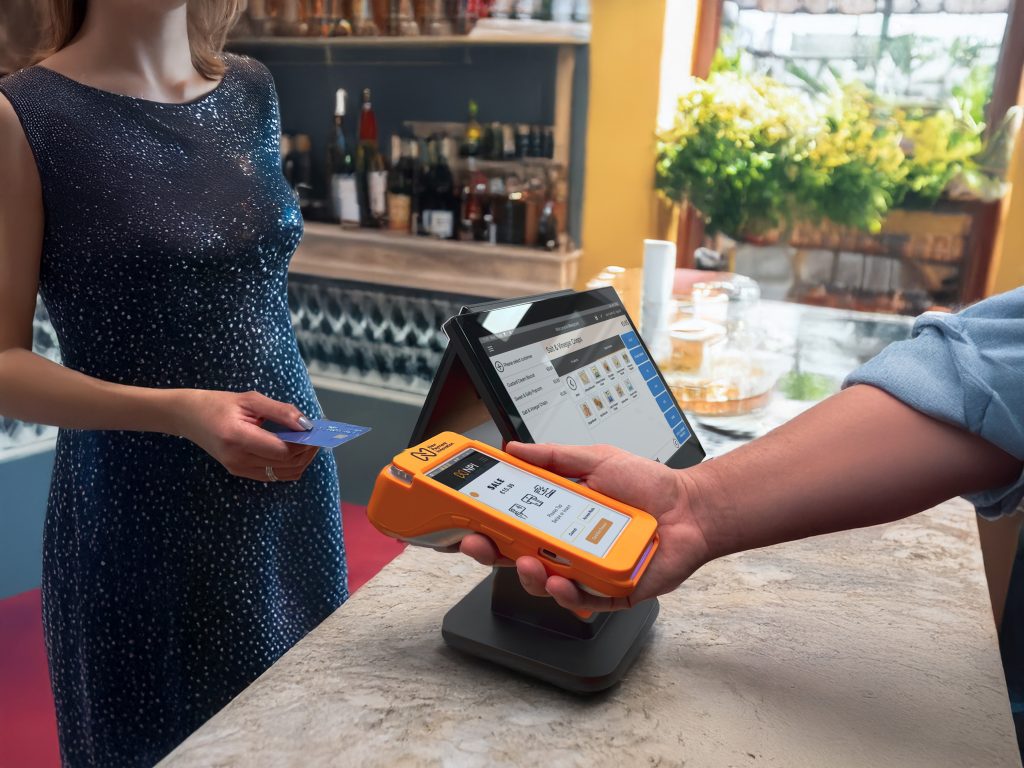
Choosing between cloud EPOS Ireland solutions and traditional systems represents one of the most crucial technology decisions facing Irish business owners today. Whether you’re running a bustling Dublin café, a Cork retail boutique, or a Galway restaurant chain, the right point-of-sale system can dramatically impact your operational efficiency, customer experience, and bottom line. Modern POS systems Ireland market offers compelling alternatives to legacy systems, with cloud-based solutions revolutionising how businesses manage transactions, inventory, and customer relationships across the country.
The decision between cloud and traditional EPOS software Ireland isn’t simply about keeping up with technology trends—it’s about positioning your business for sustainable growth whilst maintaining the reliability and functionality that Irish customers expect. From compliance with Revenue Commissioners requirements to integration with local banking systems, the right EPOS choice must align with both current operational needs and future business aspirations.
Understanding the fundamental differences between these approaches, along with their respective advantages and limitations, empowers Irish entrepreneurs to make informed decisions that support long-term success. This comprehensive comparison will guide you through the essential considerations, helping you determine which system best serves your unique business requirements.
Understanding Cloud EPOS: The Future of Irish Point-of-Sale
What Makes Cloud EPOS Different?
Cloud EPOS Ireland systems operate fundamentally differently from traditional point-of-sale solutions, storing data and processing transactions through secure internet-connected servers rather than local hardware. This cloud-based architecture enables real-time synchronisation across multiple locations, automatic software updates, and remote access to business data from anywhere with an internet connection.
Unlike traditional systems that require substantial upfront hardware investments and on-site technical support, cloud EPOS solutions typically operate on subscription models with lower initial costs and predictable monthly expenses. This approach makes advanced point-of-sale technology accessible to small and medium-sized Irish businesses that previously couldn’t justify significant capital expenditure on EPOS systems.
The scalability inherent in cloud architecture means businesses can easily add new terminals, locations, or features without extensive hardware upgrades or system reconfigurations. This flexibility proves particularly valuable for growing Irish businesses planning expansion or seasonal operations that require temporary additional capacity.
Key Features of Modern Cloud EPOS Systems
Modern EPOS software Ireland cloud solutions offer comprehensive functionality that extends far beyond simple transaction processing. Integrated inventory management tracks stock levels in real-time, automatically updating quantities across all sales channels and generating alerts when items require reordering.
Customer relationship management features enable businesses to build detailed customer profiles, track purchase histories, and implement sophisticated loyalty programmes that encourage repeat business. These capabilities prove particularly valuable for Irish retailers competing with online alternatives and seeking to build strong local customer relationships.
Advanced analytics and reporting tools provide insights into sales patterns, peak trading periods, staff performance, and customer preferences. This data-driven approach enables informed decision-making about inventory purchasing, staffing schedules, pricing strategies, and marketing initiatives that drive business growth.
Integration Capabilities and Ecosystem Benefits
Cloud-based modern POS systems Ireland excel in their ability to integrate seamlessly with other business applications and services. Accounting software integration automatically synchronises transaction data, reducing manual data entry and ensuring accurate financial records for tax compliance and business analysis.
E-commerce platform integration enables businesses to maintain consistent inventory levels across online and offline sales channels, preventing overselling and providing customers with accurate product availability information. This omnichannel capability proves essential for Irish businesses serving both local and national markets.
Payment processing integration supports multiple payment methods including contactless payments, mobile wallets, and online payment gateways. The European Central Bank’s push towards digital payments makes comprehensive payment method support increasingly important for Irish businesses seeking to accommodate diverse customer preferences.
Traditional EPOS Systems: Proven Reliability and Control
Understanding Traditional EPOS Architecture
Traditional EPOS systems operate on locally installed software and dedicated hardware, storing all business data on premises rather than in cloud-based servers. This architecture provides complete control over system configuration, data storage, and security protocols, appealing to businesses with specific compliance requirements or concerns about internet dependency.
Local data storage ensures transaction processing continues even during internet outages, providing operational continuity that proves crucial for businesses in areas with unreliable connectivity or during peak trading periods when network congestion might affect cloud services. This reliability factor makes traditional systems attractive to established Irish businesses with proven operational models.
Hardware ownership means businesses can customise their systems extensively and maintain equipment according to their specific requirements and schedules. This control extends to software updates, which can be scheduled and tested according to business needs rather than imposed by cloud service providers.
Advantages of On-Premise EPOS Solutions
Traditional systems typically offer superior transaction processing speeds since data doesn’t need to travel to remote servers for processing. This performance advantage proves particularly noticeable during busy periods when every second counts in maintaining customer satisfaction and operational efficiency.
Initial ownership costs, while higher upfront, can prove more economical over extended periods for businesses with stable requirements and long-term planning horizons. Once purchased and installed, traditional systems incur minimal ongoing costs beyond maintenance and occasional upgrades.
Data security remains entirely under business control, with sensitive customer and transaction information stored on premises rather than transmitted to third-party servers. This approach appeals to businesses handling particularly sensitive data or operating in industries with strict data sovereignty requirements.
Limitations and Ongoing Considerations
Traditional EPOS systems require significant technical expertise for installation, configuration, and ongoing maintenance. Irish businesses often need to invest in dedicated IT support or develop internal technical capabilities to ensure reliable operation and security updates.
Scalability presents challenges since adding new locations or significant functionality often requires additional hardware purchases and complex integration projects. This limitation can constrain business growth or make expansion more expensive and time-consuming than cloud alternatives.
Software updates and new features require manual installation and testing, potentially causing system downtime and requiring technical coordination. These maintenance requirements can prove disruptive to business operations, particularly for smaller businesses without dedicated technical staff.
Cloud Benefits: Transforming Irish Business Operations
Cost-Effectiveness and Predictable Budgeting
Cloud EPOS Ireland solutions transform capital expenses into predictable operating expenses, enabling better cash flow management and financial planning. Monthly subscription models eliminate large upfront hardware investments whilst including ongoing support, updates, and maintenance within predictable monthly costs.
This pricing structure proves particularly beneficial for seasonal businesses, startups, and growing companies that need to manage cash flow carefully whilst accessing advanced technology capabilities. The subscription model also includes automatic software updates and technical support, reducing hidden costs associated with system maintenance.
Total cost of ownership calculations often favour cloud solutions when factoring in hardware maintenance, software updates, technical support, and system replacement cycles. Irish businesses can reinvest saved capital in core business activities rather than technology infrastructure.
Scalability and Business Growth Support
Cloud architecture enables seamless business expansion without significant technology investments or complex integration projects. Adding new locations, terminals, or users typically involves simple configuration changes rather than hardware purchases and installation projects.
Seasonal businesses benefit from the ability to temporarily increase system capacity during peak periods without permanent infrastructure investments. This flexibility proves valuable for Irish tourism-related businesses, agricultural enterprises, and retail operations with significant seasonal variations.
International expansion becomes more manageable with cloud systems that support multiple currencies, languages, and tax regimes. Irish businesses planning European or global expansion find cloud EPOS systems adapt more easily to diverse regulatory and operational requirements.
Real-Time Data Access and Remote Management
Cloud-based EPOS software Ireland enables business owners to monitor operations remotely, accessing real-time sales data, inventory levels, and staff performance from anywhere with internet connectivity. This capability proves invaluable for multi-location businesses or owners who travel frequently.
Remote troubleshooting and support mean technical issues can often be resolved without on-site visits, minimising system downtime and operational disruption. Cloud providers typically offer comprehensive support services as part of their subscription packages.
Automatic data backup and disaster recovery protect business-critical information without requiring manual backup procedures or local storage infrastructure. This built-in protection ensures business continuity even in the event of hardware failures or local disasters.
Feature Comparison: Cloud vs Traditional EPOS Systems
Transaction Processing and Performance
Transaction processing speed varies between cloud and traditional systems depending on internet connectivity, system configuration, and peak usage periods. Traditional systems typically offer consistent processing speeds regardless of external factors, whilst cloud systems may experience variations based on internet quality and server load.
Modern POS systems Ireland cloud solutions have significantly improved performance through content delivery networks, local caching, and optimised software architecture. Many cloud systems now match or exceed traditional system performance whilst offering superior reliability through redundant server infrastructure.
Payment processing integration tends to be more comprehensive in cloud systems, with regular updates supporting new payment methods and security protocols. Traditional systems may require manual updates or hardware changes to support evolving payment technologies and compliance requirements.
Inventory Management Capabilities
Cloud-based inventory management offers real-time synchronisation across multiple locations and sales channels, providing accurate stock levels and preventing overselling situations. This capability proves essential for Irish businesses operating both physical and online stores.
Traditional systems typically manage inventory locally, requiring manual synchronisation between locations and separate systems for online sales. This limitation can lead to stock discrepancies and missed sales opportunities, particularly for businesses with complex inventory requirements.
Automatic reordering and supplier integration features are more commonly available in cloud systems, streamlining inventory management and reducing the risk of stockouts. These capabilities prove particularly valuable for Irish businesses managing diverse product ranges or seasonal inventory fluctuations.
Reporting and Analytics Functionality
Cloud EPOS systems excel in reporting and analytics capabilities, offering real-time dashboards, customisable reports, and advanced data analysis tools. Business intelligence features help identify trends, optimise pricing strategies, and improve operational efficiency through data-driven decision making.
Traditional systems may offer limited reporting capabilities, often requiring separate business intelligence tools or manual data analysis. Generating comprehensive reports across multiple locations or time periods can be challenging without cloud-based data aggregation.
Integration with business intelligence platforms and accounting software is typically more seamless with cloud systems, enabling comprehensive business analysis and streamlined financial management. This integration capability supports better strategic planning and operational optimisation.
Customer Relationship Management
Cloud EPOS Ireland solutions typically include sophisticated customer relationship management features, enabling personalised service delivery and targeted marketing campaigns. Customer purchase histories, preferences, and contact information remain accessible across all locations and staff members.
Loyalty programme management is generally more advanced in cloud systems, supporting points-based rewards, tiered membership levels, and automated promotional communications. These features help Irish businesses compete effectively with larger retailers and build strong customer relationships.
Traditional systems may offer basic customer tracking capabilities but typically lack the advanced CRM features that modern customers expect. Integration with external CRM systems may be possible but often requires additional software investments and complex configuration.
Migration Considerations for Irish Businesses
Planning Your EPOS System Transition
Migrating from traditional to cloud EPOS Ireland systems requires careful planning to minimise business disruption and ensure smooth transitions. Successful migrations begin with comprehensive assessments of current system functionality, data requirements, and operational dependencies.
Data migration planning involves identifying critical business information that must be transferred to new systems, including customer databases, inventory records, pricing information, and historical transaction data. Professional migration services can help ensure data accuracy and completeness during the transition process.
Staff training requirements should be evaluated early in the planning process, with adequate time allocated for learning new system functionality and workflows. Cloud systems often offer more intuitive interfaces than traditional systems, potentially reducing training time whilst improving user adoption rates.
Timing and Implementation Strategies
Implementation timing significantly impacts business operations, with many Irish businesses choosing quieter periods or seasonal breaks for system transitions. Phased implementation approaches can help identify and resolve issues before full deployment across all business locations.
Parallel operation periods allow businesses to run both old and new systems simultaneously, providing fallback options whilst staff become comfortable with new procedures. This approach reduces risk whilst enabling thorough system testing under real-world conditions.
Technical support availability during implementation periods proves crucial for resolving unexpected issues and ensuring minimal business disruption. Choosing providers with strong Irish support capabilities and local technical expertise can significantly improve implementation outcomes.
Cost-Benefit Analysis Framework
Comprehensive cost-benefit analysis should consider both immediate transition costs and long-term operational expenses. Migration costs include software licensing, hardware requirements, data conversion, staff training, and potential business disruption during implementation.
Long-term benefit calculations should include operational efficiency improvements, reduced maintenance costs, enhanced functionality benefits, and potential revenue increases from improved customer service capabilities. Many Irish businesses find that cloud systems deliver positive returns on investment within 12-24 months.
Risk assessment should evaluate potential drawbacks including internet dependency, data security considerations, and ongoing subscription costs. Balanced evaluation of risks and benefits enables informed decision-making that aligns with specific business requirements and risk tolerance levels.
Industry-Specific Considerations for Irish Businesses
Hospitality and Restaurant Operations
Irish restaurants, pubs, and hospitality venues have unique EPOS software Ireland requirements including table management, kitchen order routing, and integration with booking systems. Cloud solutions typically offer superior integration capabilities with reservation platforms, delivery services, and customer review systems.
Kitchen display system integration streamlines order management and reduces paper waste whilst improving order accuracy and preparation timing. Cloud-based systems enable seamless communication between front-of-house and kitchen operations, particularly valuable during busy service periods.
Menu management and pricing updates can be implemented instantly across all locations with cloud systems, enabling dynamic pricing strategies and rapid response to ingredient cost changes or seasonal menu adjustments. This flexibility proves crucial for Irish hospitality businesses managing diverse venues or seasonal operations.
Retail and Fashion Businesses
Irish retail businesses benefit significantly from modern POS systems Ireland cloud solutions that support omnichannel operations, enabling seamless integration between physical stores and online platforms. Inventory synchronisation prevents overselling whilst providing customers with accurate product availability information.
Size and variant management proves particularly important for fashion retailers, with cloud systems typically offering superior capabilities for managing complex product catalogues with multiple attributes, colours, and sizes. This functionality supports better inventory planning and customer service delivery.
Customer loyalty programmes and personalised marketing capabilities help Irish retailers compete with international chains and online retailers. Cloud-based CRM features enable targeted promotions based on purchase history, seasonal preferences, and customer lifecycle stages.
Professional Services and Healthcare
Professional services businesses including dental practices, veterinary clinics, and consultancy firms require EPOS systems that integrate with appointment scheduling, patient records, and billing systems. Cloud solutions typically offer better integration capabilities with specialist software used in these industries.
Compliance with healthcare data protection regulations requires robust security features and audit trail capabilities. Cloud providers specialising in healthcare applications often offer enhanced security features and compliance certifications that traditional systems may not provide.
Appointment scheduling integration enables seamless service delivery and payment collection, improving patient experience whilst reducing administrative overhead. Many Irish healthcare providers find cloud-based systems improve operational efficiency whilst maintaining compliance with regulatory requirements.
Security and Compliance in Irish EPOS Systems
Data Protection and GDPR Compliance
Cloud EPOS Ireland systems must comply with General Data Protection Regulation (GDPR) requirements for collecting, processing, and storing customer data. Professional cloud providers typically offer robust compliance frameworks and regular auditing to ensure ongoing regulatory compliance.
Data residency requirements may influence system choice, with some businesses preferring local data storage for compliance or performance reasons. European-based cloud providers often offer data centres within EU boundaries whilst maintaining global service capabilities.
Customer consent management and data access controls are typically more sophisticated in modern cloud systems, enabling businesses to demonstrate compliance with customer rights requests and data protection audits. These capabilities prove essential for maintaining customer trust and regulatory compliance.
Payment Card Industry (PCI) Compliance
PCI DSS compliance requirements apply to all businesses processing card payments, with cloud providers typically offering shared responsibility models that reduce compliance burden on individual businesses. This approach proves particularly valuable for smaller Irish businesses lacking dedicated security resources.
End-to-end encryption and tokenisation features protect sensitive payment data throughout the transaction process, reducing security risks and compliance requirements. Cloud systems often include these security features as standard functionality rather than expensive add-ons.
Regular security updates and vulnerability assessments are typically included in cloud service subscriptions, ensuring ongoing protection against emerging threats. Traditional systems may require manual security updates and separate security assessments, increasing both cost and complexity.
Business Continuity and Disaster Recovery
Cloud-based disaster recovery typically offers superior protection compared to traditional systems, with automatic data backup and geographically distributed server infrastructure providing protection against local disasters or equipment failures. This built-in resilience proves valuable for maintaining business continuity.
Recovery time objectives are often better with cloud systems due to redundant infrastructure and automatic failover capabilities. Traditional systems may require manual recovery procedures and backup hardware to restore operations after significant failures.
Business continuity planning should consider internet dependency for cloud systems, with backup connectivity options and offline functionality requirements evaluated based on specific business needs and risk tolerance levels.
Making the Decision: Assessment Framework
Business Requirements Analysis
Comprehensive requirements analysis should evaluate current system limitations, desired functionality improvements, and long-term business objectives. This assessment provides the foundation for comparing cloud and traditional EPOS software Ireland options against specific business needs.
Operational workflow analysis identifies critical system dependencies and potential disruption points during any system transition. Understanding these dependencies enables better planning and risk mitigation during implementation processes.
Growth projections and scalability requirements influence system selection, with businesses planning significant expansion typically benefiting from cloud system scalability. Mature businesses with stable operations may find traditional systems meet their requirements more cost-effectively.
Technical Infrastructure Evaluation
Internet connectivity reliability and speed significantly impact cloud system performance, with businesses in areas with poor connectivity potentially better served by traditional systems. Conducting thorough connectivity assessments helps predict cloud system performance and user experience.
Existing hardware compatibility influences implementation costs and complexity, with cloud systems potentially requiring less specialised hardware whilst offering greater flexibility in terminal selection and configuration.
IT support capabilities within the business affect system choice, with cloud systems typically requiring less internal technical expertise whilst traditional systems may need dedicated IT support for ongoing maintenance and troubleshooting.
Financial Considerations and ROI Projections
Total cost of ownership calculations should include initial implementation costs, ongoing operational expenses, and potential productivity improvements over realistic time horizons. Many Irish businesses find cloud systems deliver superior value despite higher monthly costs.
Cash flow impact varies significantly between system types, with cloud subscriptions enabling better cash flow management whilst traditional systems require larger upfront investments but lower ongoing costs.
Return on investment projections should consider operational efficiency improvements, enhanced customer service capabilities, and potential revenue increases from improved system functionality. These benefits often justify higher system costs through improved business performance.
Future Trends and Technology Evolution
Artificial Intelligence and Machine Learning Integration
AI-powered analytics increasingly enable modern POS systems Ireland to provide predictive insights about customer behaviour, inventory requirements, and optimal pricing strategies. These capabilities help Irish businesses optimise operations and improve profitability through data-driven decision making.
Machine learning algorithms can identify sales patterns, predict demand fluctuations, and recommend inventory adjustments automatically. This functionality proves particularly valuable for businesses with complex seasonal patterns or diverse product ranges.
Chatbot integration and automated customer service capabilities enhance customer experience whilst reducing staff workload. These features enable businesses to provide consistent service quality whilst managing operational costs effectively.
Internet of Things (IoT) and Connected Systems
IoT integration enables EPOS systems to communicate with smart shelves, temperature sensors, and other connected devices, providing comprehensive operational monitoring and automated alerts for various business conditions.
Connected kitchen equipment in restaurants can communicate directly with EPOS systems, enabling automated ordering and inventory management based on actual usage patterns rather than estimated consumption.
Smart building integration enables EPOS systems to optimise energy usage, security systems, and environmental controls based on business activity patterns and customer traffic flows.
Blockchain and Advanced Payment Technologies
Blockchain technology may eventually enable more secure and transparent transaction processing, particularly for high-value transactions or complex supply chain scenarios. While still emerging, these technologies could influence future EPOS system development.
Cryptocurrency payment acceptance becomes increasingly important for Irish businesses serving international customers or tech-savvy local markets. Cloud-based systems typically adapt more quickly to emerging payment methods and technologies.
Central bank digital currencies (CBDCs) under development by various national banks may require EPOS system updates to support new payment protocols and compliance requirements.
Implementation Best Practices for Irish Businesses
Choosing the Right EPOS Provider
Provider selection significantly impacts long-term system success, with factors including local support capabilities, industry expertise, and integration partnerships proving crucial for Irish businesses. Evaluating provider stability and long-term viability helps ensure ongoing system support and development.
Service level agreements should clearly define uptime guarantees, response times, and support availability, particularly important for businesses operating outside standard business hours. Irish businesses should prioritise providers offering local support and understanding of Irish market requirements.
Reference checking with similar Irish businesses provides valuable insights into real-world system performance and provider service quality. Industry-specific references prove particularly valuable for understanding system capabilities in similar operational environments.
Staff Training and Change Management
Comprehensive training programmes should address not only system operation but also workflow changes and customer service improvements enabled by new technology. Successful implementations invest adequately in staff training and ongoing support.
Change management strategies help overcome resistance to new systems whilst building enthusiasm for improved capabilities and efficiency gains. Clear communication about benefits and addressing staff concerns early in the process improves adoption rates.
Ongoing training and support ensure staff can utilise advanced system features effectively, maximising return on investment and maintaining high service quality standards. Regular refresher training helps maintain proficiency as system capabilities evolve.
Performance Monitoring and Optimisation
Key performance indicators should be established before implementation to measure system success and identify optimisation opportunities. Metrics might include transaction processing times, system uptime, staff productivity, and customer satisfaction levels.
Regular system performance reviews enable proactive identification of issues and opportunities for improvement. This ongoing optimisation ensures systems continue meeting business requirements as operations evolve and grow.
User feedback collection provides valuable insights into system usability and potential improvements. Regular surveys and feedback sessions help identify training needs and system configuration adjustments that improve operational efficiency.
Conclusion: Choosing Your Path Forward
The decision between cloud EPOS Ireland and traditional systems ultimately depends on your specific business requirements, growth objectives, and operational priorities. Cloud solutions offer compelling advantages in scalability, remote access, automatic updates, and integration capabilities that align perfectly with modern business needs and customer expectations.
For most Irish businesses, particularly those planning growth or seeking operational efficiency improvements, cloud-based EPOS software Ireland provides superior value through reduced maintenance requirements, enhanced functionality, and predictable costs. The ability to access real-time business data remotely and benefit from automatic feature updates positions businesses for long-term success in increasingly competitive markets.
Traditional systems remain viable for businesses with stable operations, reliable internal IT support, and specific requirements that cloud solutions cannot adequately address. However, the ongoing evolution of cloud technology and declining costs make these scenarios increasingly rare.
Modern POS systems Ireland market continues evolving rapidly, with cloud providers adding features and improving performance whilst traditional systems face increasing maintenance challenges and integration limitations. Businesses choosing systems today should consider not only current requirements but also future needs and technology trends.
The Irish business environment increasingly favours technology solutions that enable agility, remote operation, and seamless integration with digital services. Revenue Commissioners digital initiatives and evolving customer expectations make cloud-based systems increasingly attractive for forward-thinking Irish businesses.
Whether you choose cloud or traditional systems, partnering with experienced providers who understand Irish market requirements ensures successful implementation and ongoing support. New Payment Innovation offers comprehensive EPOS solutions tailored to Irish businesses, including both cloud and traditional options designed to meet diverse operational requirements and budget considerations.
The future belongs to businesses that embrace technology strategically whilst maintaining focus on customer service excellence. Cloud EPOS systems provide the foundation for this success, enabling Irish businesses to compete effectively whilst building sustainable growth for years to come.
Ready to transform your business operations with modern EPOS technology? Contact New Payment Innovation at 01-4475299 to discover which system best serves your unique requirements and begin your journey toward improved efficiency, customer satisfaction, and business growth.
Transform your Irish business with cutting-edge EPOS technology. New Payment Innovation provides expert guidance, professional installation, and ongoing support for both cloud and traditional EPOS systems. Discover how the right technology choice can drive growth and efficiency in your business operations.