
How Contactless Card Machines Can Speed Up Queue Times in Busy Retail Environments
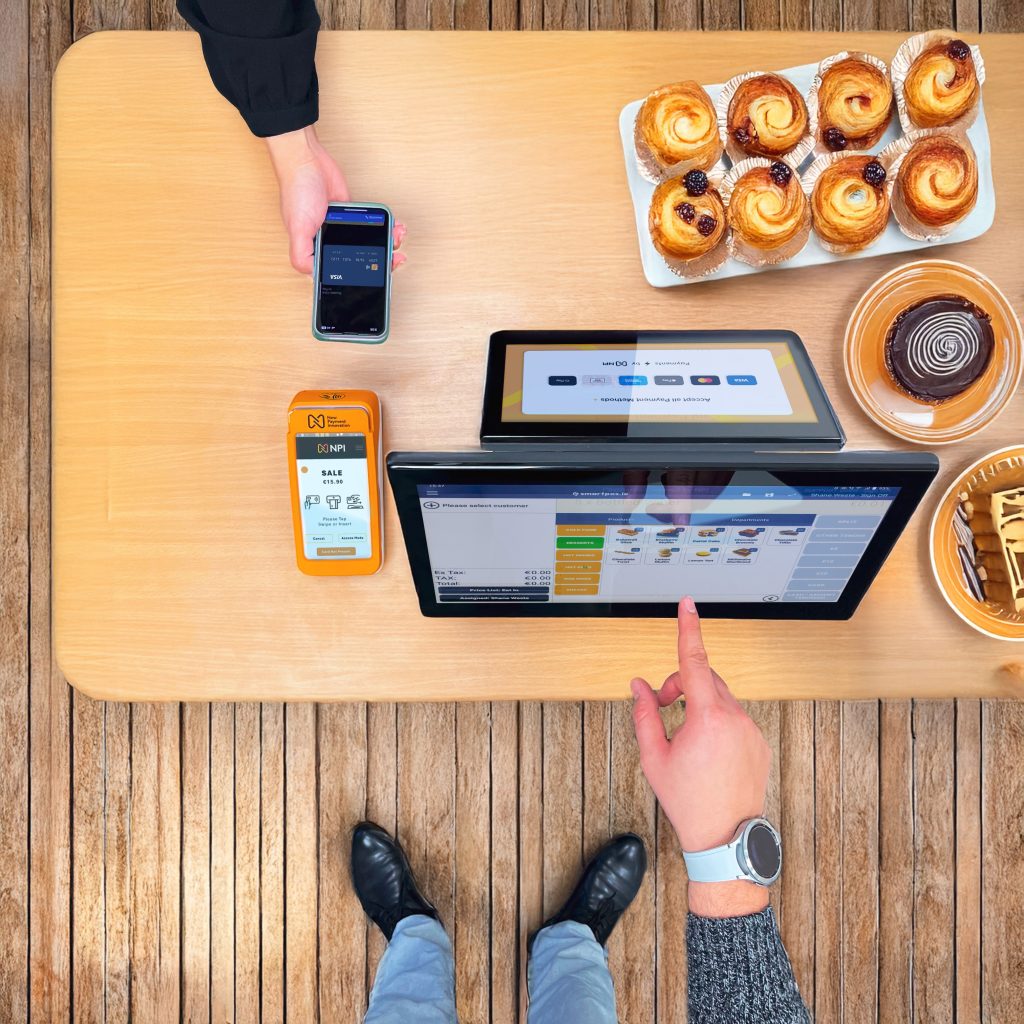
Contactless card machines speed up queue times in busy retail environments by dramatically reducing transaction processing times and streamlining the checkout experience. In today’s fast-paced retail landscape, few things frustrate customers more than long, slow-moving checkout lines. Each additional minute spent waiting can diminish satisfaction and potentially impact future purchasing decisions.
During a recent holiday shopping weekend, Dublin department store manager Sarah Kelly observed the dramatic impact of their newly implemented contactless system. “We processed 42% more transactions per hour compared to the same period last year,” she noted. “What’s particularly impressive is that we accomplished this with the same number of staff and checkout points. The contactless card machines effectively transformed our bottleneck into a smooth-flowing operation.”
This comprehensive guide explores how contactless card machines can speed up queue times in busy retail settings, examining the technology, implementation strategies, and measurable benefits for both customers and retailers.
Understanding How Contactless Card Machines Transform Checkout Efficiency
Before diving into specific strategies, let’s examine exactly how contactless technology delivers faster transaction processing.
The Transaction Speed Advantage of Contactless Payment Technology
Traditional card payment methods involve multiple steps that add seconds to each transaction:
Chip-and-PIN Process (35-45 seconds):
- Customer hands card to cashier or inserts into terminal
- Terminal reads chip and processes initial authorization
- Customer enters PIN on keypad
- PIN verification occurs
- Authorization completed
- Receipt printed
- Card returned to customer
Contactless Process (10-15 seconds):
- Customer taps card or device on terminal
- Instant authorization occurs
- Transaction completed
- Receipt offered if requested
This streamlined process eliminates several time-consuming steps, with research from the UK Cards Association showing contactless transactions are typically 2-3 times faster than traditional chip-and-PIN methods.
“We’ve timed hundreds of transactions in our stores,” explains Thomas Walsh, operations director for a national retail chain. “Contactless card machines consistently process payments in about one-third the time of chip-and-PIN transactions. This dramatic speed difference becomes particularly valuable during peak periods when every second counts.”
For detailed timing studies on different payment methods, explore our Payment Processing Speed Analysis which compares transaction times across various scenarios.
Beyond Speed: Additional Queue Management Benefits
Contactless card machines speed up queue times through several additional efficiency mechanisms:
Reduced Handling Time:
- No physical card exchange between customer and staff
- Eliminated need for signature verification
- Minimized receipt printing (often optional for contactless)
- Reduced physical cash handling requirements
Simplified Customer Experience:
- Intuitive “tap” action requires minimal instruction
- Fewer opportunities for user error during payment
- Reduced confusion for tourists and international shoppers
- Consistent experience across different retailers
Operational Improvements:
- Less staff time spent explaining payment procedures
- Fewer transaction retries due to technical issues
- Simpler troubleshooting when problems occur
- More predictable transaction timing for staff
According to Retail Excellence Ireland, retailers implementing contactless payment systems report an average 27% reduction in total checkout time during peak periods, allowing them to serve more customers with existing resources.
7 Ways Contactless Card Machines Speed Up Retail Queue Processing
Here are seven specific strategies for leveraging contactless payment technology to reduce wait times:
1. Implement Multi-Lane “Tap and Go” Express Checkouts
Strategy Details: Create dedicated lanes specifically optimized for contactless transactions, with streamlined processes focused on speed.
Implementation Approach:
- Designate specific registers as “Contactless Express” lanes
- Set item limits (typically 10-15 items)
- Train staff on ultra-efficient processing
- Position these lanes strategically for queue visibility
Real-World Results: “We converted two of our eight checkout lanes to contactless-priority express lanes,” shares Claire Murphy, who manages a busy supermarket in Cork. “These lanes now process 40% more transactions per hour than our standard lanes, and they’ve become the preferred choice for customers with smaller basket sizes.”
Key Considerations:
- Clear signage explaining lane purpose and requirements
- Dedicated staff trained in maximizing contactless efficiency
- Regular performance measurement compared to standard lanes
- Adjustment of lane numbers based on customer adoption rates
2. Deploy Mobile Contactless Card Machines Throughout the Store
Strategy Details: Equip staff with portable contactless terminals to process payments anywhere in the store, effectively eliminating fixed checkout bottlenecks.
Implementation Approach:
- Provide handheld contactless card machines to floor staff
- Implement mobile receipt printing or digital receipt options
- Create flexible “checkout zones” during busy periods
- Train staff on approaching customers ready to purchase
Success Example: Department store Brown Thomas reported a 35% reduction in peak-time queue length after implementing mobile contactless payment options during their busiest shopping periods, according to Irish Times retail coverage.
“Mobile contactless terminals completely changed our Christmas shopping experience,” notes operations manager Emma Lynch. “Staff could finalize purchases wherever customers were in the store, essentially creating pop-up checkout points exactly where they were needed.”
Our Mobile Payment Solutions Guide provides detailed implementation strategies for different retail environments.
Key Considerations:
- Ensure robust WiFi or cellular connectivity throughout the store
- Develop clear protocols for when to offer mobile checkout
- Consider battery life and charging logistics for all-day operation
- Implement appropriate security protocols for mobile terminals
3. Optimize Contactless Transaction Flow for Maximum Efficiency
Strategy Details: Redesign the entire checkout process around contactless capabilities, eliminating unnecessary steps and maximizing the speed benefits.
Optimization Elements:
- Reconfigure checkout space for efficient contactless presentation
- Position terminals for optimal customer access
- Streamline receipt options (offering digital alternatives)
- Adjust bagging procedures to match faster payment pace
- Train staff on specific contactless efficiency techniques
Measured Impact: “After optimization, our average transaction time dropped from 3.2 minutes to just 1.7 minutes,” reports Sean O’Brien, who manages a busy electronics retailer. “This nearly doubled our throughput capacity during sale events without adding staff or registers.”
Implementation Tips:
- Observe current workflow to identify specific bottlenecks
- Time each checkout component to target the slowest elements
- Test layout changes before permanent implementation
- Gather staff input on practical efficiency improvements
- Consider customer perspective in all process changes
4. Implement Queue-Busting During Peak Periods
Strategy Details: Deploy staff with contactless card machines to process payments for customers waiting in line before they reach the main checkout area.
How Queue-Busting Works:
- Staff approach customers waiting in longer queues
- Process their payment via mobile contactless terminals
- Provide receipt or digital proof of purchase
- Customer simply collects bagged items at checkout
- Main checkout staff focus solely on scanning and bagging
Success Metrics: Fashion retailer Next implemented this approach during sale periods and reported a 44% reduction in average wait times and a 29% increase in customer satisfaction scores during peak shopping hours.
“Queue-busting with contactless technology transformed our sale day experience,” explains retail manager Niamh Kennedy. “Customers were delighted to have their payment processed while waiting, making the remaining queue time feel productive rather than wasteful.”
Best Practices:
- Deploy during predictable peak periods only
- Clearly identify queue-busting staff with distinctive clothing
- Ensure strong integration between mobile and fixed systems
- Develop clear customer communication scripts
- Create efficient handoff procedures to main checkout
5. Create Hybrid Self-Service/Assisted Payment Options
Strategy Details: Implement flexible checkout points that combine self-service scanning with staff-assisted contactless payment finalization.
Implementation Approach:
- Customers scan their own items at semi-self-service stations
- Staff assist only with age verification, security tags, and payment
- Contactless card machines positioned for quick transaction completion
- Staff oversee multiple stations simultaneously
Performance Data: “Our hybrid stations process 52% more transactions per staff hour than traditional checkouts,” notes Patrick Doyle, who manages a home improvement chain. “The combination of customer self-scanning and contactless payment creates the optimal efficiency balance.”
According to Retail Technology Review, hybrid checkout models using contactless payment can increase throughput by 30-60% compared to traditional full-service models.
For a complete guide to implementing hybrid checkout systems, visit our Retail Checkout Optimization Guide.
Key Success Factors:
- Intuitive self-scanning interface to minimize customer confusion
- Clear signage explaining the hybrid process
- Strategic staff positioning to assist multiple stations
- Dedicated troubleshooting protocols for quick issue resolution
- Regular assessment of customer comfort with the system
6. Leverage Contactless Card Machines with Integrated Inventory Management
Strategy Details: Implement contactless payment systems that directly connect with inventory management, eliminating separate reconciliation steps.
System Components:
- Integrated POS and payment systems
- Real-time inventory updating
- Automatic stock alerts based on transactions
- Digital receipt management
- Sales pattern analytics
Efficiency Gains: “The integrated system saves approximately 45 seconds per transaction through automated processes,” explains Fiona Lynch, who operates a multi-location clothing retailer. “With hundreds of daily transactions, this translates to significantly faster queue processing and improved staff allocation.”
Implementation Considerations:
- Ensure compatibility between contactless terminals and existing systems
- Prioritize real-time synchronization capabilities
- Consider cloud-based solutions for multi-location businesses
- Implement robust backup procedures
- Provide comprehensive staff training on the integrated system
7. Deploy Customer-Facing Technology That Complements Contactless Payments
Strategy Details: Implement supporting technologies that work alongside contactless card machines to further streamline the checkout process.
Complementary Technologies:
- Mobile app pre-ordering capabilities
- QR code systems for product information
- Digital loyalty integration with contactless payments
- Self-scanning options using customer smartphones
- Virtual queuing systems for peak periods
Combined Impact: Pharmacy chain Boots reported that their combination of contactless payments with mobile app pre-ordering reduced average transaction times by 67% for prescription customers.
“The technology ecosystem approach has been transformative,” shares operations director Liam Murphy. “When contactless payment integrates with our other digital tools, we see compounding efficiency gains that dramatically improve queue management.”
Success Requirements:
- Seamless integration between different technologies
- Consistent customer experience across channels
- Clear customer communication about available options
- Regular system updates and improvements
- Staff fluency with all deployed technologies
Measuring the Impact: How Contactless Card Machines Affect Key Retail Metrics
Implementing contactless payment technology delivers measurable benefits across multiple business metrics:
Queue Length and Wait Time Reduction
Retailers using contactless card machines typically report:
- 25-40% reduction in average queue length
- 30-50% decrease in peak wait times
- More consistent queue processing regardless of rush periods
- Fewer instances of queue abandonment
“We tracked average wait times before and after implementing contactless technology,” explains Thomas Burke, who manages a busy supermarket. “Our Friday evening peak wait time decreased from 7.2 minutes to just 3.1 minutes, despite serving the same number of customers.”
Research from Barclaycard Payment Acceptance indicates that businesses implementing contactless payment technology experience an average 15% reduction in perceived wait times by customers, improving overall satisfaction scores.
Transaction Volume Capacity Increases
Businesses leveraging contactless payment processing experience:
- 20-35% more transactions processed during peak hours
- Ability to handle larger customer volumes without additional staff
- More consistent transaction processing times
- Reduced need for additional checkout lanes during busy periods
Staff Productivity Enhancements
Contactless implementation improves staff efficiency through:
- Reduced time spent on payment processing
- Decreased payment troubleshooting requirements
- More time available for customer service activities
- Improved ability to manage multiple checkout points
- Reduced training time for payment procedures
Customer Satisfaction Improvements
Research from Banking & Payments Federation Ireland indicates contactless payment adoption correlates with:
- 15-30% higher customer satisfaction scores
- Increased likelihood of return visits
- More positive social media commentary
- Improved ratings on review platforms
- Higher Net Promoter Scores
Implementation Guide: Deploying Contactless Card Machines for Queue Optimization
Follow this systematic approach to maximize the queue-reducing benefits of contactless payment technology:
Step 1: Assess Your Current Checkout Performance
Before implementation, establish baseline metrics:
- Average transaction time (broken down by payment method)
- Typical queue lengths during different periods
- Peak wait times throughout the week
- Transaction volume capacity by hour
- Customer satisfaction with current checkout experience
“Data-driven implementation is crucial,” advises retail consultant Emma Collins. “Understanding your specific bottlenecks ensures you’ll target the right aspects of the checkout process with contactless technology.”
Step 2: Select the Right Contactless Solution for Your Environment
Consider these factors when choosing contactless card machines:
- Transaction volume requirements
- Integration capabilities with existing systems
- Mobile vs. fixed terminal needs
- Connectivity options in your location
- Budget constraints and ROI expectations
- Staff technical capabilities
For guidance on selecting the optimal contactless solution for different retail environments, visit our Contactless Comparison Guide.
Step 3: Design Optimized Checkout Flows Around Contactless Capabilities
Rethink your entire checkout process:
- Map current customer journey through checkout
- Identify specific steps that can be eliminated or shortened
- Redesign physical layouts to facilitate contactless presentation
- Create clear customer guidance signage and instructions
- Develop contingency procedures for technical issues
Step 4: Implement Comprehensive Staff Training
Prepare your team to maximize contactless efficiency:
- Hands-on practice with contactless terminals
- Specific instruction on queue management techniques
- Customer communication skills for explaining options
- Troubleshooting procedures for common issues
- Performance metrics and expectations
“Staff training was the single most important factor in our successful implementation,” shares Claire Donoghue, who manages a department store. “When staff fully understand and embrace the technology, they become active participants in queue reduction rather than just technology users.”
Step 5: Monitor, Measure, and Refine
Continuously improve your contactless implementation:
- Track key performance metrics against pre-implementation baselines
- Gather staff feedback on process improvements
- Collect customer input on checkout experience
- Analyze transaction data to identify further optimization opportunities
- Regularly update procedures based on findings
Overcoming Implementation Challenges
While contactless card machines effectively speed up queue times, successful implementation requires addressing several common challenges:
Managing the Transition Period
Challenge: Initial implementation may temporarily slow processes as staff and customers adjust to new systems.
Solution: “We implemented in phases, starting with a single lane to build staff confidence,” explains Sean Murphy, who manages a home goods retailer. “This allowed us to refine our approach before full-scale rollout, minimizing disruption to overall store flow.”
Best Practices:
- Consider a phased implementation approach
- Schedule initial deployment during quieter business periods
- Provide extra staff support during transition
- Create clear customer communication about the new process
- Set realistic performance expectations for the adjustment period
Addressing Diverse Customer Comfort Levels
Challenge: Customers have varying degrees of familiarity and comfort with contactless technology.
Solution: “We trained our staff to quickly identify customers who might need guidance with contactless payments,” notes Emma Lynch, customer service director for a national retail chain. “A brief, friendly explanation takes just seconds but ensures a smooth experience for all shoppers.”
Effective Approaches:
- Create simple visual guides for first-time users
- Train staff to recognize hesitation and offer assistance
- Maintain alternative payment options for all customers
- Develop age-appropriate guidance for different demographics
- Consider dedicated assistance for initial implementation periods
Ensuring Consistent Connectivity
Challenge: Contactless card machines require reliable network connections to function optimally.
Solution: Implement redundant connectivity solutions to prevent processing delays:
- Primary broadband connection with sufficient bandwidth
- Backup cellular connectivity for terminals
- Offline processing capabilities for brief outages
- Regular connectivity testing and monitoring
- Clear protocols for connectivity issues
“We invested in a multi-network SIM solution for our contactless terminals,” explains Thomas O’Brien, who operates a busy garden center. “This ensures our terminals can connect to whichever mobile network has the strongest signal, virtually eliminating connectivity-related delays.”
For comprehensive guidance on establishing reliable payment connectivity, explore our Network Redundancy Guide and learn how to create failsafe payment systems for your retail environment.
The Future of Queue Management: Beyond Current Contactless Technology
As retailers continue seeking ways to speed up queue times, several emerging technologies will enhance contactless payment capabilities:
Biometric Payment Authentication
Next-generation systems using fingerprint, facial recognition, or palm scanning are beginning to appear in international markets, offering even faster verification than card tapping.
“Biometric payment combines the speed of contactless with enhanced security and convenience,” notes payment technology expert Liam Kennedy. “Early implementations suggest transaction times could be reduced by an additional 30-40% compared to current contactless methods.”
According to the European Payments Council, biometric authentication is expected to account for 30% of all electronic transactions in Europe by 2026.
Checkout-Free Retail Experiences
Amazon Go-style technologies that eliminate the traditional checkout entirely represent the ultimate queue reduction strategy:
- Automated entry and exit gates
- Product recognition through cameras and sensors
- Automatic payment processing via customer accounts
- Complete elimination of checkout lines
While still emerging, these systems point toward a future where queue management becomes obsolete through technology that fundamentally reimagines the payment process.
Mobile Self-Scanning Integration
The integration of customer smartphones with in-store systems creates new efficiency opportunities:
- Customers scan products while shopping using retailer apps
- Payment details are already stored in the application
- Simple verification and contactless payment completes the process
- Staff focus shifts to customer service rather than transaction processing
According to Retail Technology Innovation Hub, retailers implementing mobile self-scanning alongside contactless payments report up to 65% faster checkout completion compared to traditional methods.
Conclusion: Transforming the Retail Experience Through Contactless Efficiency
Contactless card machines represent one of the most effective tools available for retailers seeking to speed up queue times and enhance the shopping experience. By dramatically reducing transaction times, eliminating unnecessary steps, and enabling new checkout models, contactless technology delivers measurable improvements in operational efficiency and customer satisfaction.
The most successful implementations look beyond the simple technology adoption to reimagine the entire checkout process around contactless capabilities. By combining the right hardware with optimized processes, strategic staff deployment, and complementary technologies, retailers can transform historical bottlenecks into smooth, efficient customer experiences.
As consumer expectations for convenience and speed continue to rise, contactless payment technology provides a critical competitive advantage for retailers committed to minimizing wait times and maximizing customer satisfaction. The question for forward-thinking retailers is no longer whether to implement contactless capabilities, but rather how to leverage them most effectively to create frictionless checkout experiences that keep customers coming back.
For more information about implementing contactless card machines in your retail environment, visit our Contactless Payment Solutions page or contact our team of payment technology specialists for a consultation tailored to your specific business needs.
About New Payment Innovation (NPI): We’re an Irish-owned payment solutions provider specializing in helping businesses optimize their payment operations and technology. With offices in Dublin and Cork, we pride ourselves on offering jargon-free advice and local support for businesses across Ireland. Learn more about NPI.