
Contactless Payment Limits Ireland 2026: What Changed and Why
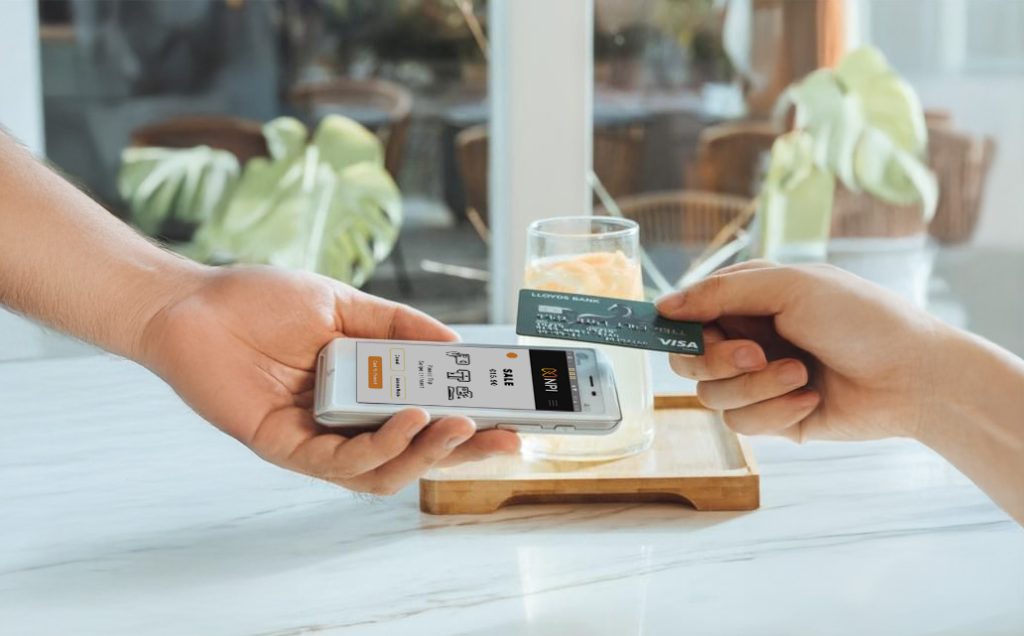
Did you know that 87.9% of all card payments at Irish tills are now contactless? That familiar “tap and go” sound has become the soundtrack of modern Irish commerce, but many business owners still wonder about the rules governing these lightning-fast transactions.
Introduction
Contactless payment limits Ireland have transformed how Irish businesses process transactions and serve customers. Understanding the contactless payment limits Ireland, particularly the current €50 threshold for physical cards and unlimited mobile wallet payments, helps you optimise your checkout experience whilst keeping security tight. The rules around contactless payments might seem straightforward, but there are important differences between card taps and mobile wallet payments that every Irish business owner should understand to serve customers efficiently and protect against fraud.
Understanding Current Contactless Payment Limits in Ireland
The contactless payment limits Ireland currently stand at €50 per transaction for physical debit and credit cards. This represents a significant jump since the technology first arrived on Irish shores at just €15 per transaction back in 2015.
The limit increased to €30 in October 2015, then jumped to the current €50 in April 2020. This final increase came during the COVID-19 pandemic when the government and Banking & Payments Federation Ireland worked together to encourage contactless payments and reduce the need for handling cash or touching PIN pads.
For transactions above €50 using a physical card, customers must insert their card and enter their PIN. This security measure remains in place across all Irish retailers, though there are no planned increases to this limit as we move into 2026.
Mobile Wallets Follow Different Rules
Here’s something brilliant that many Irish business owners don’t realise: mobile wallet payments through Apple Pay, Google Pay, and Samsung Pay have no set spending limit when authenticated through biometric verification like fingerprint or facial recognition.
This means customers can make purchases well above €50 using their phones or smartwatches, provided they authenticate the payment and have sufficient funds or credit available. The only caveat is that some retailers’ payment terminals may not support transactions above €50 even for mobile wallets, so it varies by merchant.
According to Central Bank of Ireland data, mobile wallet transactions now account for 58.2% of all contactless payments made in the country. That’s a massive shift that businesses need to accommodate.
Why the €50 Limit Exists and How It Protects Everyone
Contactless payment limits Ireland aren’t arbitrary numbers plucked out of thin air. They serve crucial security functions whilst balancing convenience for consumers and businesses.
The €50 threshold represents the sweet spot where most everyday transactions can be completed quickly, but potential fraud losses remain manageable. Research shows that approximately 65% of all retail transactions in Ireland fall below this amount, meaning the vast majority of customers can tap and go without entering a PIN.
Built-In Security Features You Should Know
Your contactless terminals include sophisticated security measures working behind the scenes:
Sequential Transaction Limits: After five consecutive contactless payments, the card will require a chip and PIN transaction to verify the legitimate owner still holds it. This happens automatically through the card’s embedded chip technology.
Cumulative Spending Caps: Most Irish banks implement total spending caps ranging between €150 and €200. Once customers reach this cumulative amount through multiple contactless payments, they must complete a chip and PIN transaction before continuing.
Fraud Prevention: Despite higher limits, fraud rates on Irish contactless payments remain remarkably low at just 0.016% of transaction volume, according to Central Bank data. That’s actually lower than traditional card payment fraud rates.
The Competition and Consumer Protection Commission notes that customers aren’t liable for fraudulent contactless transactions when cards are lost or stolen, provided they report the loss promptly.
What This Means for Your Irish Business
Understanding contactless payment limits Ireland helps you optimise operations and meet customer expectations more effectively. The current system of €50 card limits and unlimited mobile wallet payments creates opportunities to improve your checkout experience.
Speed Matters More Than Ever
Contactless transactions complete in roughly 15 seconds compared to 30-45 seconds for chip and PIN payments. That might not sound like much, but multiply it across hundreds of daily transactions and you’re talking about hours of saved customer waiting time each week.
Busy cafés, convenience stores, pharmacies, and quick-service restaurants benefit most dramatically. If you’re processing 300 transactions daily, faster checkout means serving more customers during peak hours without adding staff.
Customer Expectations Have Shifted
Irish consumers have embraced contactless payments wholeheartedly. Recent surveys indicate that 82% of Irish customers now report frustration when contactless options aren’t available, particularly for purchases under €50.
Your payment terminal needs to reliably support both physical card taps and mobile wallet payments to meet these expectations. Outdated terminals that only support one method or process slowly can drive customers to competitors.
Lower Processing Costs Add Up
Businesses embracing modern contactless payment systems typically see 3-4% reductions in overall payment processing costs when considering faster transaction times, reduced cash handling, fewer PIN pad replacements, and decreased staff training requirements.
Preparing Your Business for 2026 and Beyond
Whilst no increases to contactless payment limits Ireland are planned for 2026, staying ahead means ensuring your payment infrastructure can handle current limits efficiently and adapt to future changes. Knowing the contactless payment limits Ireland regulations helps you choose the right terminals and train staff properly.
Terminal Capabilities Matter
Not all card machines handle contactless payments equally well. When selecting or upgrading your payment terminals, verify they support:
- Near Field Communication (NFC) technology for both cards and mobile devices
- Dual-interface functionality allowing both contactless and chip-and-PIN
- Fast processing speeds under 2 seconds for contactless transactions
- Clear visual and audio confirmation when payments succeed
Modern terminals should also accept all major mobile wallet platforms without requiring customers to explain which app they’re using. The best systems detect and process payments automatically.
Staff Training Keeps Operations Smooth
Your team should understand that mobile wallet payments can exceed €50 whilst physical card contactless payments cannot. This prevents confusion and ensures efficient customer service during busy periods.
Train staff to recognise when customers need to use chip and PIN for larger purchases, and make PIN pads easily accessible without disrupting the contactless flow for smaller transactions.
Keep Security Top of Mind
Whilst contactless payment fraud remains exceptionally rare, implementing basic security practices protects your business:
- Position terminals where screens aren’t visible to queuing customers
- Regularly update terminal software to maintain security protocols
- Train staff to recognise unusual payment patterns or customer behaviour
- Keep terminals in secure locations when the business is closed
The sophisticated encryption and tokenisation built into contactless technology means it’s actually more secure than traditional magnetic stripe cards ever were.
Looking Ahead: The Future of Contactless in Ireland
As we move through 2026, contactless payment adoption continues growing steadily. Over 1.6 billion contactless point-of-sale payments worth €28.3 billion were processed in Irish shops and restaurants in the 12 months to June 2025, according to Banking & Payments Federation Ireland figures.
The shift towards mobile wallets accelerates each year as more consumers discover the convenience of leaving physical wallets at home. Businesses that optimise their payment systems now position themselves to capture this growing segment whilst maintaining excellent service for traditional card users.
Technologies like biometric authentication, tokenisation, and artificial intelligence-powered fraud detection continue improving security whilst making payments even faster and more convenient. The fundamental principle remains constant: balancing speed, convenience, and security to create the best possible checkout experience.
Conclusion
Contactless payment limits Ireland have stabilised at €50 for physical cards whilst mobile wallets enjoy unlimited transaction capabilities through biometric authentication. Understanding the contactless payment limits Ireland and optimising your payment systems accordingly helps you serve customers efficiently, reduce queue times, and maintain security.
The 87.9% adoption rate proves Irish consumers have fully embraced tap-and-go payments. Businesses that provide fast, reliable contactless processing meet customer expectations whilst enjoying lower costs and smoother operations.
Ready to Optimise Your Payment Systems?
Looking to upgrade your payment terminals or optimise your contactless payment capabilities? Contact New Payment Innovation at 01 447 5299 or visit npi.ie to discover how our modern payment solutions can transform your checkout experience.
Our team of payment experts understands the unique needs of Irish businesses and can recommend the perfect combination of terminals, processing solutions, and support services to keep your customers tapping happily through 2026 and beyond.
Contact Information:
- Technical Support: 01-6869428 or 01-4475299 Option 2 (Mon-Fri 7:30am-8:30pm, Sat/Sun 8am-8pm, Bank Holidays 9:30am-6pm)
- Customer Service: 01-4475299 Option 4 (Mon-Fri 9am-5:30pm)
- Office Location: 3010 Lake Drive, Citywest, Dublin, D24 R98P
New Payment Innovation is a proud member of Guaranteed Irish, supporting local businesses with world-class payment solutions.