
EPOS System with Card Machine Integration: Streamlined Payments for Ireland
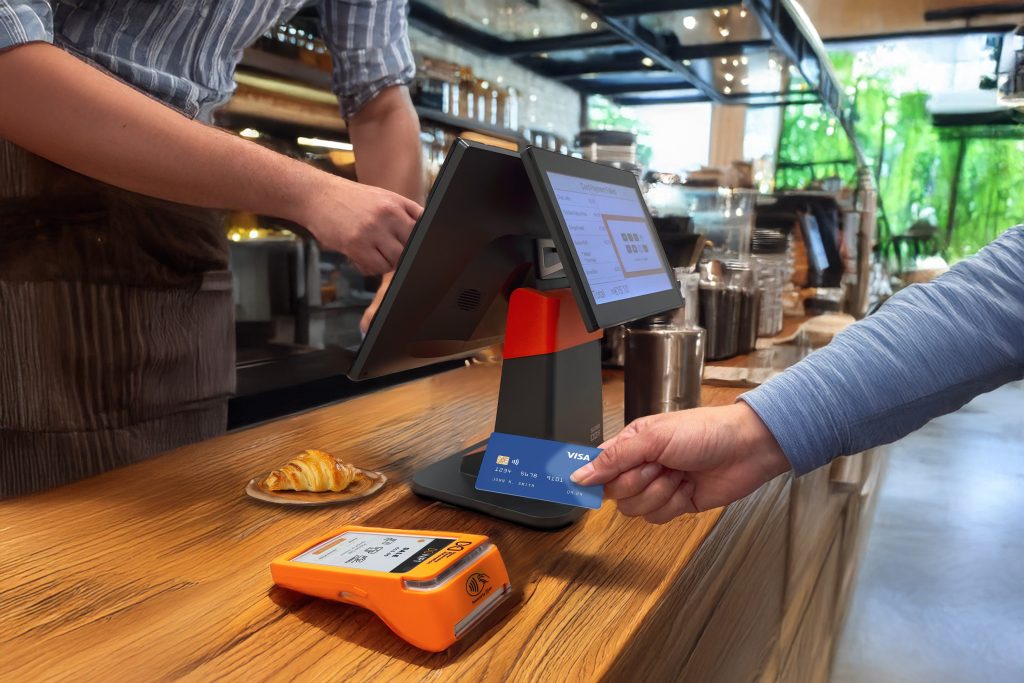
If you’re running a shop, restaurant, or service business in Ireland and you’re tired of juggling separate systems for sales and card payments, you’re in for some good news. EPOS card machine integration Ireland solutions can combine everything into one simple system that handles your sales, inventory, and card payments all in one place. No more double-entering transactions, no more trying to match up different reports at the end of the day, and no more confusion about what you actually sold.
Think of integrated payment solutions Ireland like having one remote control instead of three separate ones for your TV, sound system, and streaming device. Everything works together seamlessly, and your life becomes much simpler. Let’s explore how this technology can transform your business operations without requiring you to become a tech expert.
What Does EPOS Card Machine Integration Actually Mean?
Breaking It Down in Simple Terms
EPOS System: This is your Electronic Point of Sale system – basically a smart till that tracks what you sell, manages your stock, and handles customer information.
Card Machine: This processes your customers’ card payments – the device they tap, insert, or swipe their cards on.
Integration: This means they talk to each other automatically, sharing information so you don’t have to do everything twice.
When they work together:
- You ring up a sale on your EPOS system
- The customer pays by card
- The payment automatically appears in your sales records
- Your stock levels update automatically
- Your daily reports include everything in one place
Why This Matters for Your Business
Before Integration:
- Ring up sale on EPOS system: €50
- Process €50 payment on separate card machine
- Manually match the two transactions later
- Update stock levels separately
- Create reports from different systems
- Reconcile everything at end of day
After Integration:
- Ring up sale: €50
- Customer taps card on integrated terminal
- Everything updates automatically
- All reports match perfectly
- Go home on time!
It’s like the difference between cooking with separate appliances scattered around your kitchen versus having everything built into one efficient workspace.
How EPOS Card Machine Integration Ireland Actually Works
The Technology Made Simple
Don’t worry – you don’t need to understand the technical details, but here’s what happens behind the scenes:
Step 1: Your EPOS system and card machine are connected (usually through your internet connection) Step 2: When you process a sale, the EPOS automatically sends the payment amount to the card machine Step 3: The customer pays, and the card machine confirms the payment back to the EPOS Step 4: Everything gets recorded in one place with matching transaction numbers
What You See:
- One screen showing the sale
- One receipt for the customer
- One record in your system
- One report at the end of the day
Types of Integration Available
Built-in Integration: Some EPOS systems come with card machines already integrated – these usually work best together.
Add-on Integration: You can often connect a compatible card machine to your existing EPOS system.
All-in-One Devices: Some systems combine the EPOS screen and card reader in one device – great for small spaces.
Wireless Integration: Your card machine can be separate but still connected wirelessly – good for table service or mobile businesses.
Real Benefits You’ll Notice Immediately
No More Double Work
What This Eliminates:
- Typing transaction amounts twice
- Manually matching payments to sales
- Reconciling different reports
- Hunting for missing transactions
- Staying late to balance the books
Sarah from Dublin: “I used to spend an hour every night trying to figure out why my card machine total didn’t match my till. Now everything matches automatically – I’m home by 6 PM instead of 7:30 PM.”
Mistakes Disappear
Common Errors That Integration Prevents:
- Typing wrong amounts on the card machine
- Forgetting to ring up a sale after taking payment
- Double-charging customers accidentally
- Recording sales in the wrong currency
- Mixing up cash and card transactions
What This Means: Fewer customer complaints, more accurate books, and less stress for you and your staff.
Everything Matches Perfectly
With integrated payment solutions Ireland, all your reports tell the same story:
Your EPOS Report Says:
- 47 transactions today
- €1,247 in card payments
- €203 in cash
- €1,450 total sales
Your Card Machine Report Says:
- 47 card transactions
- €1,247 total
- Matches EPOS perfectly
Your Bank Statement Shows:
- €1,247 deposited
- Everything balances
No more spending time trying to find the €5 difference that’s making everything not add up!
Types of Businesses That Benefit Most
Retail Shops
Perfect For:
- Clothing stores
- Gift shops
- Electronics stores
- Bookshops
- Pharmacies
Why It Helps:
- Automatically updates stock when you make a sale
- Tracks which products are selling best
- Handles different pricing (regular, sale, member discounts)
- Manages customer loyalty points
- Creates accurate VAT reports
Liam’s Electronics Shop in Cork: “Before integration, I never really knew what was selling until I did a manual stock count. Now I can see in real-time that I’m running low on phone chargers and need to reorder. Sales have increased 15% just from never running out of popular items.”
Restaurants and Cafés
Perfect For:
- Restaurants
- Coffee shops
- Pubs
- Fast food outlets
- Food trucks
Why It Helps:
- Handles table service and takeaway differently
- Splits bills automatically
- Tracks what menu items are popular
- Manages different payment types (including tips)
- Integrates with kitchen systems
Mary’s Café in Galway: “We used to have chaos during busy lunch periods – orders getting mixed up, payments not matching, staff making mistakes under pressure. Now everything flows smoothly even when we’re packed. Our average service time went from 8 minutes to 5 minutes.”
Service Businesses
Perfect For:
- Hair salons
- Barber shops
- Repair services
- Consulting businesses
- Health practitioners
Why It Helps:
- Links appointments with payments
- Tracks customer service history
- Handles recurring customers easily
- Manages staff commissions automatically
- Creates professional receipts
Market Stalls and Mobile Businesses
Perfect For:
- Farmers’ markets
- Craft fairs
- Mobile food vendors
- Home service providers
- Pop-up shops
Why It Helps:
- Works without permanent internet (stores transactions and syncs later)
- Handles different locations and events
- Battery-powered options available
- Tracks inventory across multiple selling locations
- Provides professional appearance
Understanding System Compatibility
Making Sure Everything Works Together
The Good News: Most modern EPOS systems are designed to work with multiple card machine types, so you usually have options.
What to Check:
- Does your current EPOS system support card machine integration?
- If you’re buying new, which card machines work with your chosen EPOS?
- Will you need any additional hardware or software?
- Is there extra monthly cost for the integration?
Questions to Ask Before You Buy
About Compatibility:
- “Which card machines work with this EPOS system?”
- “Can I use my existing card machine, or do I need a new one?”
- “What happens if I want to change card machine providers later?”
- “Will this work with my internet connection and setup?”
About Costs:
- “Is there an extra monthly fee for integration?”
- “Are there setup costs for connecting everything?”
- “What happens if something breaks – do I need to fix both systems?”
About Support:
- “Who do I call if the integration stops working?”
- “How quickly can you fix problems?”
- “Will you train my staff on the integrated system?”
Understanding your rights as a business owner when purchasing integrated systems is important, and the Competition and Consumer Protection Commission provides guidance on business-to-business contracts and service agreements.
The Setup Process (Easier Than You Think)
What Actually Happens
Week 1: Planning
- Someone visits your business to understand your needs
- They check your internet connection and space
- You decide on the best system configuration
- You get a clear quote for everything
Week 2: Installation
- Professional installation (usually takes 2-3 hours)
- They connect everything and test it thoroughly
- They import your existing product information
- They create staff login accounts
Week 3: Training and Go-Live
- Staff training on the new integrated system
- You process a few test transactions
- Any final adjustments get made
- You start using the system for real customers
What You Need to Prepare
Information to Gather:
- List of products/services you sell
- Current pricing
- Staff members who need access
- How you currently handle different payment types
- Any special requirements (student discounts, loyalty schemes, etc.)
Physical Preparation:
- Ensure you have power outlets where needed
- Check your internet connection is reliable (minimum requirements can be found through ComReg business broadband guidelines)
- Clear counter space for equipment
- Think about where customers will pay
Training Your Staff (It’s Simpler Than You Think)
Most staff pick up integrated systems quickly because they’re designed to be intuitive:
Basic Training Covers:
- How to ring up a sale (usually very similar to what you do now)
- How to process different payment types
- How to handle returns and refunds
- What to do if something goes wrong
- End-of-day procedures (usually much simpler than before)
Most staff say: “It’s actually easier than our old system because I don’t have to remember to do things separately.”
Unified Reporting: Finally, Numbers That Make Sense
One Report Shows Everything
Instead of trying to piece together information from different systems, you get one comprehensive report:
Daily Summary:
- Total sales: €1,450
- Card payments: €1,247 (47 transactions)
- Cash payments: €203 (8 transactions)
- Returns/refunds: €32 (2 transactions)
- Net sales: €1,418
- Top-selling items: Coffee (34), Sandwiches (23), Pastries (18)
- Busiest time: 12:30-1:30 PM
- Staff performance: All staff tracked individually
Reports That Actually Help Your Business
Weekly Reports Show:
- Which products are selling best
- What times you’re busiest
- Which staff members are most productive
- How much you’re making in card vs. cash
- Trends compared to previous weeks
Monthly Reports Include:
- Full financial summary for accountant
- Stock movement and reorder suggestions
- Customer patterns and loyalty program performance
- VAT calculations ready for Revenue Commissioners
- Growth trends and seasonal patterns
Tom’s Hardware Shop: “I used to dread doing monthly reports because I had to gather information from three different places and none of it ever matched. Now I press one button and get everything I need for my accountant, perfectly formatted and accurate.”
Operational Efficiency: How Your Day Gets Easier
Faster Customer Service
Before Integration:
- Customer orders €25 of items
- You ring up the sale: 2 minutes
- Customer pays by card
- You manually enter €25 on card machine: 1 minute
- Wait for payment approval: 1 minute
- Give receipt and bag items: 1 minute
- Total time: 5 minutes per customer
After Integration:
- Customer orders €25 of items
- You ring up sale, customer taps card automatically: 2 minutes
- Payment processes automatically while you bag items: 0 extra time
- One receipt prints with everything: 0 extra time
- Total time: 2 minutes per customer
Result: You can serve more customers in the same time, reducing queues and increasing sales.
End-of-Day Becomes Simple
Before Integration:
- Count cash drawer: 15 minutes
- Print EPOS report: 5 minutes
- Print card machine report: 5 minutes
- Try to make them match: 20-45 minutes (if you’re lucky)
- Update stock levels: 15 minutes
- Total: 60-90 minutes
After Integration:
- Count cash drawer: 15 minutes
- Print one integrated report: 2 minutes
- Everything already matches: 0 minutes
- Stock already updated: 0 minutes
- Total: 17 minutes
Staff Make Fewer Mistakes
Common Mistakes Eliminated:
- Entering wrong amounts on card machine
- Forgetting to update stock levels
- Processing cash as card or vice versa
- Double-charging customers
- Missing transactions in reports
Why Integration Prevents Mistakes:
- Staff only enter information once
- System automatically handles the rest
- Built-in checks prevent common errors
- Everything is recorded automatically
- No manual reconciliation required
Common Concerns (And Why They’re Not Usually Problems)
“What If the Internet Goes Down?”
Modern Systems Handle This:
- Transactions are stored locally and uploaded when connection returns
- Card processing often works offline for small amounts
- You can still ring up sales and process cards manually if needed
- Everything syncs up automatically when internet returns
Reality: Internet outages rarely last long, and modern systems are designed to handle brief disconnections.
“What If Something Breaks?”
Support Systems Are In Place:
- Most providers offer same-day replacement for faulty equipment
- Backup payment methods keep you operational
- Technical support can often fix issues remotely
- Warranties typically cover both EPOS and card machine
Reality: Modern integrated systems are quite reliable, and when issues do occur, they’re usually fixed quickly.
“Will It Be Too Complicated for My Staff?”
Integration Actually Makes Things Simpler:
- Staff learn one system instead of two separate ones
- Fewer steps in the payment process
- Automatic processes reduce things staff need to remember
- Training is usually quicker than learning separate systems
Reality: Most staff find integrated systems easier to use than separate systems.
“What If I Want to Change Providers?”
You Have Options:
- Many systems can work with different card processing providers
- Your EPOS data can usually be exported
- Most contracts allow changes after initial periods
- Competition means providers try to keep customers happy
Reality: While switching has some hassle, it’s not as difficult as many people fear.
Making the Right Choice for Your Business
Questions to Ask Yourself
About Your Current Situation:
- How much time do you spend reconciling different systems?
- How often do your reports not match?
- Are you losing sales because checkout takes too long?
- Do you make mistakes entering information twice?
- Are you satisfied with your current reporting?
About Your Business Goals:
- Do you want to open additional locations?
- Are you planning to expand your product range?
- Do you want better insights into what sells best?
- Would you like to offer customer loyalty programs?
- Do you need better integration with your accountant?
Sizing Up Your Options
For Small Businesses (Under €5,000 monthly sales):
- Simple integrated solutions with basic reporting
- Lower monthly costs but still professional features
- Easy setup and minimal training required
For Growing Businesses (€5,000-€50,000 monthly sales):
- More comprehensive reporting and inventory management
- Multi-user capabilities and staff performance tracking
- Integration with accounting software
For Established Businesses (Over €50,000 monthly sales):
- Advanced analytics and business intelligence
- Multi-location capabilities
- Custom reporting and integration options
Getting Started: Your Step-by-Step Plan
This Month: Research and Planning
Week 1: Evaluate Your Current Situation
- Time how long your current checkout process takes
- Note how long you spend on end-of-day reconciliation
- List problems with your current systems
- Calculate how much mistakes and inefficiencies cost you
Week 2: Research Options
- Contact 3-4 providers of integrated payment solutions Ireland
- Get demonstrations of their systems
- Ask for references from similar businesses
- Compare total costs including setup, monthly fees, and transaction costs
Week 3: Make Comparisons
- Create a simple comparison chart of features and costs
- Visit other businesses using systems you’re considering
- Talk to your accountant about reporting needs
- Consider your future business growth plans
Week 4: Make Your Decision
- Choose the system that best fits your needs and budget
- Negotiate terms and get everything in writing
- Plan your installation timeline
- Prepare your staff for the upcoming change
Next Month: Installation and Training
Installation Week:
- Professional installation and setup
- Testing all functions thoroughly
- Staff training sessions
- Processing test transactions
Go-Live Week:
- Start using the system with customers
- Monitor performance closely
- Address any issues immediately
- Fine-tune settings based on real use
Ongoing: Optimization and Growth
Monthly Reviews:
- Check reports for business insights
- Identify opportunities for improvement
- Adjust settings based on experience
- Plan for busy periods or seasonal changes
Quarterly Assessments:
- Review cost savings and efficiency gains
- Consider additional features or upgrades
- Evaluate staff satisfaction and training needs
- Plan for business expansion or changes
Success Stories from Irish Businesses
Dublin Coffee Shop Chain
Challenge: Three locations, different systems at each, nothing matched up Solution: Integrated EPOS card machine integration Ireland system across all locations Results:
- Reduced daily admin from 3 hours to 30 minutes per location
- Increased average transaction speed by 40%
- Discovered which products were profitable at each location
- Opened fourth location with confidence in the numbers
Owner’s Quote: “I finally understand my business properly. I know what sells, when it sells, and how much profit I’m actually making.”
Galway Boutique
Challenge: Losing track of inventory, customers waiting too long for card payments Solution: All-in-one integrated system with automatic stock management Results:
- Never run out of popular items anymore
- Checkout time reduced from 5 minutes to 2 minutes
- Increased sales by 22% due to better stock availability
- Reduced accounting costs by €200 monthly
Owner’s Quote: “My customers commented on how much faster checkout became. Several said they shop here more often because they don’t have to wait in long queues.”
Cork Family Restaurant
Challenge: Table service chaos, bills didn’t match card receipts, staff confusion Solution: Table-service integrated system with wireless card machines Results:
- Table turnover improved by 25%
- Eliminated billing errors completely
- Staff training time reduced from 2 days to 4 hours
- Customer satisfaction scores improved significantly
Owner’s Quote: “Busy Friday nights used to be stressful because nothing worked together. Now everything flows smoothly, and I can focus on making sure customers have a great experience.”
The Bottom Line: Is Integration Right for You?
EPOS card machine integration Ireland makes sense for most businesses that process a reasonable number of card transactions. If you’re currently spending significant time reconciling different systems, making mistakes due to double data entry, or struggling with reports that don’t match, integration will likely save you time and money while improving your customer service.
Integration is probably right for you if:
- You process more than 50 card transactions per week
- You spend more than 30 minutes daily reconciling different systems
- You want better insights into your business performance
- You’re planning to grow or expand
- You value your time and want to focus on serving customers instead of administrative tasks
You might want to wait if:
- You’re very happy with your current systems
- You process very few card transactions
- Your business is extremely seasonal or temporary
- You’re planning major changes to your business model soon
The key is understanding that integrated payment solutions Ireland aren’t just about making payment processing easier – they’re about giving you better control and understanding of your entire business operation.
Ready to streamline your payment processing and get better insights into your business? Contact New Payment Innovation at 01-4475299 or visit www.npi.ie to learn about EPOS card machine integration Ireland solutions that will save you time, reduce errors, and help you understand your business better. We’ll show you exactly how integration can work for your specific situation.