
Integrating Online and In-Store Payment Systems for Irish Retailers
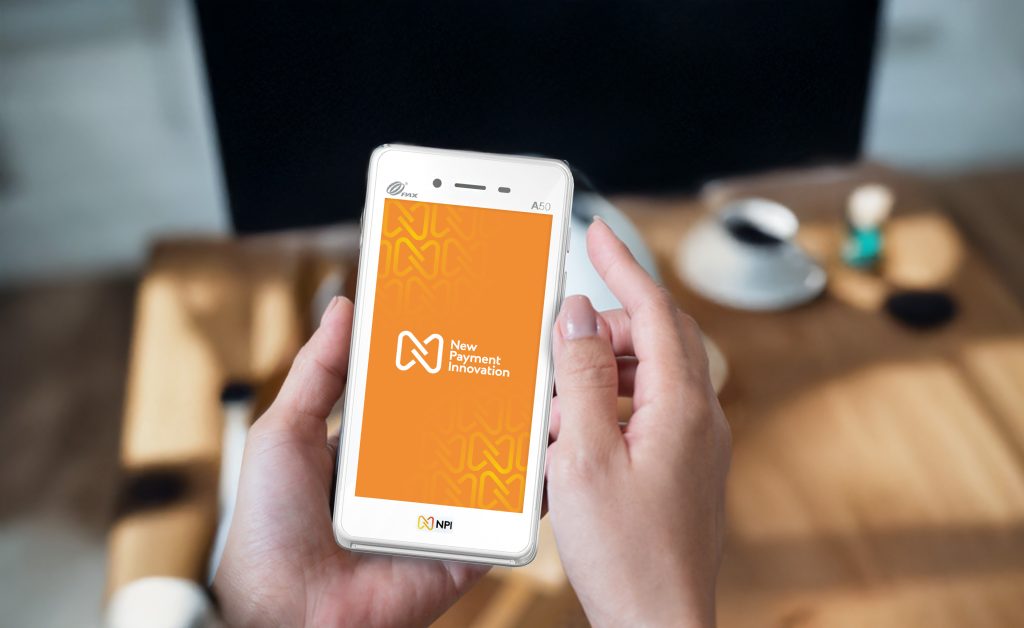
In today’s competitive retail landscape, Irish businesses are increasingly seeking ways to provide seamless shopping experiences across multiple channels. The integration of online payment gateway Ireland solutions with physical store payment systems has become essential for retailers aiming to meet evolving customer expectations. This comprehensive guide explores how integrated payment management Ireland strategies can transform retail operations, enhance customer experiences, and drive business growth.
The Evolution of Retail Payments in Ireland
The Irish retail payment ecosystem has undergone significant transformation in recent years. What began as separate online and offline payment systems has evolved into sophisticated integrated solutions that bridge the gap between digital and physical retail environments.
From Siloed Systems to Omnichannel Integration
Traditionally, Irish retailers operated with disconnected payment infrastructures:
- In-store point-of-sale (POS) systems processed card payments at physical locations
- Online payment gateways handled e-commerce transactions separately
- Customer data, transaction histories, and payment methods existed in isolated databases
- Reporting and reconciliation required manual processes across multiple platforms
This fragmented approach created significant challenges, including inventory discrepancies, inconsistent customer experiences, and operational inefficiencies. As consumer expectations evolved, retailers recognized the need for more cohesive payment solutions.
The Rise of Omnichannel Retail in Ireland
The shift toward integrated payment systems has been accelerated by changing consumer behaviors. According to Shopify Ireland, the modern retail landscape requires “managing all sales channels, customer data, and backend processes as one cohesive system” to provide seamless customer experiences.
Irish consumers now expect to:
- Begin shopping in one channel and complete purchases in another
- Access consistent pricing and promotions across all touchpoints
- Use their preferred payment methods regardless of channel
- Receive real-time inventory information online about in-store availability
- Return items purchased online to physical stores
These expectations have made integrated payment management Ireland solutions a necessity rather than a luxury for retailers aiming to remain competitive.
Key Components of Integrated Payment Solutions
A truly integrated payment ecosystem encompasses several critical elements that work together to create a unified commerce experience.
Online Payment Gateway Ireland Integration
The foundation of any integrated payment strategy begins with selecting the right online payment gateway Ireland solution. These digital platforms process online payments and serve as the bridge between e-commerce storefronts and financial institutions.
Key features to consider when selecting an online payment gateway include:
- Multiple Payment Method Support: Ability to process various payment types including credit/debit cards, digital wallets, and alternative payment methods
- Security Compliance: PCI DSS certification and robust fraud prevention measures
- Integration Capabilities: Native connections to popular e-commerce platforms and in-store POS systems
- Transparent Pricing: Clear fee structures without hidden charges
- Developer Tools: APIs and SDKs that facilitate customization and integration
New Payment Innovation (NPI) offers Irish retailers comprehensive online payment gateway solutions that seamlessly connect with their existing e-commerce platforms while supporting integration with in-store payment systems.
In-Store POS System Requirements
Modern point-of-sale systems do far more than simply process transactions. For effective integrated payment management Ireland retailers need POS solutions that:
- Support multiple payment methods including contactless, chip and PIN, and mobile payments
- Connect to online platforms for real-time inventory synchronization
- Access centralized customer databases for personalized service
- Process online order pickups and returns
- Operate both online and offline to prevent disruption during connectivity issues
The integration between online payment gateways and in-store POS systems creates the foundation for true omnichannel retail operations.
Unified Customer Database
A centralized customer database serves as the backbone of successful payment integration, enabling retailers to:
- Recognize customers across all channels
- Access complete purchase histories regardless of transaction origin
- Implement consistent loyalty programs across online and offline channels
- Deliver personalized shopping experiences based on comprehensive customer profiles
- Securely store payment information for simplified future transactions
This unified approach to customer data management transforms how retailers engage with shoppers, creating more relevant and consistent experiences that drive loyalty and repeat purchases.
Benefits of Integrated Payment Systems for Irish Retailers
The implementation of integrated payment management Ireland solutions offers numerous advantages for retailers of all sizes.
Enhanced Customer Experience
Perhaps the most significant benefit is the improved customer experience that comes from payment integration. According to Clarkston Consulting, “Seamless integration of customer payments across channels enhances data capture, enabling enhanced personalization… fostering superior shopping experiences and heightened brand loyalty.”
Integrated payment systems enable retailers to:
- Offer consistent checkout experiences across channels
- Provide flexible payment options that meet customer preferences
- Streamline returns and exchanges regardless of purchase origin
- Implement omnichannel loyalty programs that reward total customer spending
- Create personalized offers based on complete purchase histories
These capabilities significantly enhance customer satisfaction and build stronger brand relationships.
Operational Efficiency
Integrated payment systems dramatically improve operational efficiency for retailers by:
- Reducing Manual Processes: Automating reconciliation and reporting across channels
- Centralizing Management: Controlling pricing, promotions, and payment options from a single interface
- Streamlining Training: Requiring staff to learn only one system rather than multiple platforms
- Simplifying Accounting: Consolidating financial data from all sales channels
- Improving Cash Flow Management: Providing unified views of revenue across the business
These efficiency gains translate directly to cost savings and improved profitability. According to Shopify, integrated payment solutions can significantly reduce operational costs by automating processes and eliminating the need for manual data entry.
Real-Time Inventory Synchronization
One of the most powerful advantages of integrated payment systems is their ability to facilitate real-time inventory synchronization between online and in-store channels. This capability ensures that:
- Online product listings reflect accurate in-store availability
- In-store staff can access warehouse inventory for customers
- Stock levels update automatically across all channels when sales occur
- Orders route to optimal fulfillment locations based on inventory availability
- Inventory analytics incorporate data from all sales channels
This synchronization prevents the frustration of “ghost inventory” – items showing as available online but out of stock in-store – while also optimizing inventory levels and reducing carrying costs.
Unified Reporting and Analytics
Integrated payment systems provide comprehensive reporting capabilities that give retailers valuable insights into their business performance. These unified analytics enable:
- Cross-channel sales analysis to identify top-performing products
- Customer behavior tracking across online and offline interactions
- Promotion effectiveness measurement across all touchpoints
- Trend identification based on complete sales data
- Performance comparison between channels and locations
These insights help retailers make more informed decisions about inventory, marketing, staffing, and business strategy.
Implementation Strategies for Irish Retailers
Implementing integrated payment management Ireland solutions requires careful planning and execution. Here are key strategies for successful integration:
Assessment and Planning
The implementation process begins with a thorough assessment of current systems and future needs:
- Audit Current Systems: Document existing payment processors, POS systems, e-commerce platforms, and inventory management solutions
- Identify Integration Requirements: Determine which systems must connect and what functionalities are needed
- Define Success Metrics: Establish clear objectives for the integration project
- Create a Phased Implementation Plan: Develop a timeline with manageable milestones
- Prepare a Budget: Account for technology costs, training, and potential disruption during transition
This planning phase is crucial for setting realistic expectations and creating a roadmap for successful implementation.
Selecting the Right Technology Partners
Choosing appropriate technology partners is perhaps the most critical decision in the integration process. Key considerations include:
- Compatibility: Ensure solutions work with existing systems and future technologies
- Scalability: Select platforms that can grow with your business
- Support: Evaluate the quality and availability of technical support
- Security: Verify compliance with industry standards and data protection regulations
- Track Record: Research provider reliability and customer satisfaction
For Irish retailers, working with payment providers that understand the local market and regulatory environment can be particularly advantageous.
Staff Training and Change Management
The success of any new payment system ultimately depends on the people using it. Comprehensive training and change management should include:
- Role-Based Training: Tailored instruction for different staff positions
- Hands-On Practice: Simulated transactions before going live
- Ongoing Support: Readily available resources for troubleshooting
- Feedback Mechanisms: Processes for staff to report issues and suggest improvements
- Performance Monitoring: Regular assessment of system usage and effectiveness
Investing in proper training significantly reduces resistance to change and accelerates adoption of new systems.
Testing and Deployment
A phased testing and deployment approach minimizes disruption and identifies issues before they impact customers:
- Sandbox Testing: Verify functionality in a controlled environment
- Pilot Implementation: Roll out to a limited segment of the business
- Gradual Expansion: Extend to additional locations or departments in phases
- Parallel Processing: Run old and new systems simultaneously during transition
- Performance Monitoring: Track key metrics to identify and address issues
This measured approach reduces risk and allows for adjustments before full-scale implementation.
Case Study: Irish Retailer Success with Integrated Payments
Dublin-based fashion retailer Fashion Forward Ireland provides an illustrative example of successful payment integration. The company faced challenges with disconnected online and in-store systems, resulting in inventory discrepancies, frustrated customers, and operational inefficiency.
By implementing an integrated payment solution from New Payment Innovation that connected their e-commerce platform with in-store POS systems, Fashion Forward achieved remarkable results:
- 24% increase in cross-channel sales within six months
- 15% reduction in inventory carrying costs through improved synchronization
- 30% decrease in return processing time
- 18% improvement in customer satisfaction scores
- Significant reduction in staff time spent on manual reconciliation
This real-world example demonstrates the tangible benefits that Irish retailers can achieve through thoughtful implementation of integrated payment systems.
Future Trends in Integrated Payment Management Ireland
The integrated payment landscape continues to evolve rapidly, with several emerging trends that will shape the future of retail payment systems in Ireland.
Artificial Intelligence and Machine Learning
AI and machine learning are transforming payment systems by:
- Enhancing fraud detection through pattern recognition
- Personalizing customer experiences based on behavioral analysis
- Optimizing inventory management through predictive analytics
- Streamlining checkout processes with smart recommendations
- Improving payment routing for higher authorization rates
These technologies will make integrated payment systems increasingly intelligent and adaptive to both retailer and customer needs.
Contactless and Mobile Payment Expansion
The adoption of contactless and mobile payment methods continues to accelerate in Ireland, driven by:
- Growing consumer preference for touchless transactions
- Expansion of mobile wallet options beyond Apple Pay and Google Pay
- Increasing transaction limits for contactless payments
- Integration of biometric authentication for enhanced security
- Development of innovative payment wearables and IoT devices
As these payment methods become more prevalent, integrated systems that seamlessly support them across all channels will be essential.
Advanced Omnichannel Capabilities
Next-generation integrated payment systems will offer enhanced omnichannel features:
- Unified Commerce Platforms: Single systems that handle all sales channels natively rather than through integrations
- Advanced Attribution Models: More sophisticated tracking of the customer journey across touchpoints
- Cross-Channel Personalization: Tailored experiences that adapt in real-time as customers move between channels
- Integrated Loyalty Programs: Seamless rewards that accumulate and redeem across all channels
- Embedded Financing Options: Integrated buy-now-pay-later and other financing solutions across all touchpoints
These capabilities will further blur the lines between online and offline retail, creating truly unified shopping experiences.
Overcoming Integration Challenges
Despite the clear benefits, integrating online and in-store payment systems presents several challenges that retailers must address.
Security and Compliance
Payment integration introduces security considerations that must be carefully managed:
- Data Protection: Ensuring customer information is secure across all platforms
- PCI DSS Compliance: Maintaining compliance with payment card industry standards
- Fraud Prevention: Implementing consistent security measures across channels
- Authentication Protocols: Balancing security with user experience
- Staff Training: Ensuring employees understand security policies and procedures
Working with payment providers that prioritize security and maintain current compliance certifications is essential for minimizing these risks.
Technical Compatibility
Integration often involves connecting systems that weren’t originally designed to work together:
- Legacy Systems: Older POS systems may lack modern API capabilities
- Custom Solutions: Heavily customized platforms can be difficult to integrate
- Multiple Vendors: Coordinating between various technology providers
- Data Format Differences: Reconciling inconsistent data structures
- API Limitations: Working within the constraints of available integration points
These challenges may require custom development work or middleware solutions to overcome.
Cost Management
The investment required for payment integration must be carefully managed:
- Technology Costs: Expenses for new hardware, software, and integration services
- Ongoing Fees: Transaction fees, maintenance costs, and subscription charges
- Training Expenses: Resources required to bring staff up to speed
- Opportunity Costs: Potential disruption during implementation
- Scope Management: Preventing project expansion beyond original parameters
Creating a detailed budget with contingencies helps prevent unexpected costs from derailing integration efforts.
Conclusion: The Future of Retail is Integrated
For Irish retailers, the integration of online payment gateway Ireland solutions with in-store payment systems represents a transformative opportunity. By creating unified commerce experiences that seamlessly connect digital and physical channels, retailers can meet evolving customer expectations while improving operational efficiency.
Successful implementation requires careful planning, selection of appropriate technology partners, comprehensive staff training, and systematic testing. While challenges exist, the benefits of enhanced customer experiences, operational efficiency, real-time inventory synchronization, and unified analytics make integration well worth the investment.
As payment technologies continue to evolve, retailers that establish integrated foundations today will be well-positioned to adapt and thrive in the increasingly connected retail landscape of tomorrow. The question is no longer whether to integrate online and in-store payment systems, but how quickly and effectively retailers can implement these essential unified commerce capabilities.
By embracing integrated payment management Ireland solutions, retailers can create memorable shopping experiences that build customer loyalty, optimize operations, and drive sustainable business growth in an increasingly competitive marketplace.
Tags: online payment gateway Ireland, integrated payment management Ireland, omnichannel retail, inventory synchronization, unified reporting, POS integration, retail payment systems, e-commerce integration, Irish retail technology, contactless payments, unified commerce
This article was last updated: May 19, 2025