The Rise of SoftPOS: Turning Smartphones into Payment Terminals in Ireland
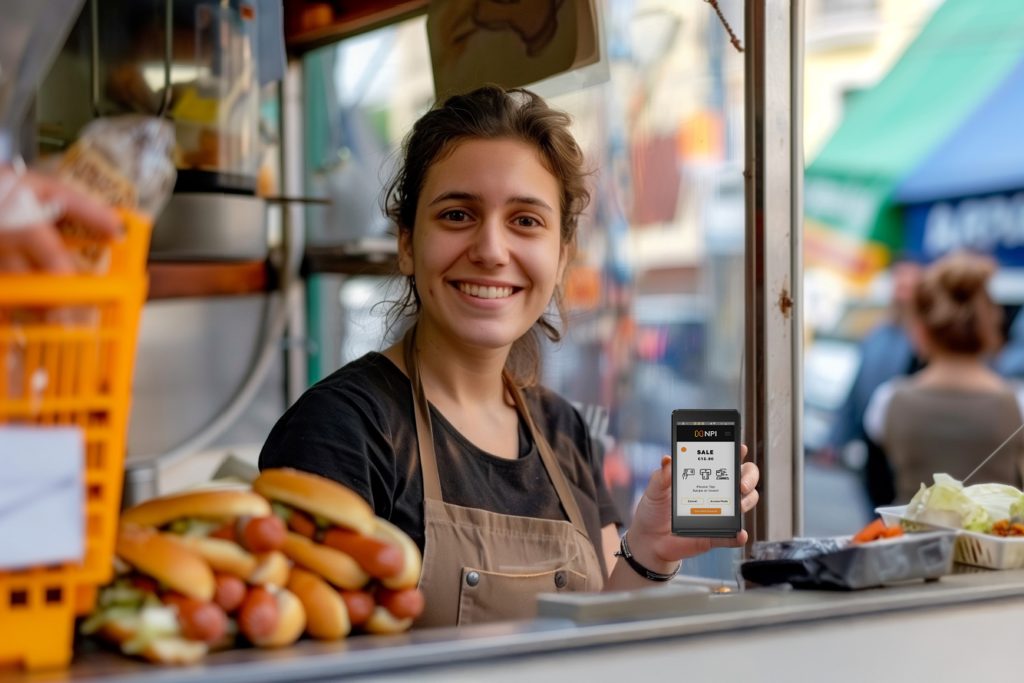
SoftPOS solutions Ireland businesses are increasingly adopting represent a revolutionary shift in payment technology, allowing ordinary smartphones to function as fully capable card terminals. This innovative technology eliminates the need for traditional hardware terminals by transforming standard Android devices and iPhones into secure payment acceptance points. For merchants across Ireland—from market traders in Cork to boutique shops in Dublin—this advancement offers unprecedented flexibility and cost-efficiency in payment processing.
“We’ve seen remarkable interest in smartphone card terminal solutions across all business sectors in Ireland,” explains Michael O’Sullivan, payment technology specialist at Dublin’s Retail Excellence conference. “The ability to accept contactless payments without additional hardware is particularly appealing to small businesses, mobile service providers, and startups that previously found traditional payment terminals prohibitively expensive.”
This comprehensive guide explores how SoftPOS solutions in Ireland are transforming the payment landscape, examining the technology behind smartphone card terminals, their business benefits, implementation considerations, and real-world applications that demonstrate their growing impact across the Irish market.
Understanding SoftPOS Technology: How Smartphones Become Payment Terminals
Before exploring specific applications, it’s important to understand the fundamental technology that enables these innovative payment solutions.
What Are SoftPOS Solutions Ireland Merchants Should Know About?
SoftPOS (Software Point of Sale) technology transforms standard smartphones and tablets into payment acceptance devices through specialized applications:
Core Technology Components:
- NFC (Near Field Communication) utilization
- Secure application environment
- Encrypted payment processing
- Digital receipt capabilities
- Transaction management systems
Unlike traditional hardware terminals, SoftPOS relies primarily on software solutions that leverage existing device capabilities, particularly the NFC functionality present in most modern smartphones.
According to research from the Banking & Payments Federation Ireland, SoftPOS adoption among Irish small businesses grew by 187% in 2023 alone, reflecting the technology’s rapid acceptance in the market.
For a detailed breakdown of SoftPOS technical specifications and security features, visit our SoftPOS Technology Guide.
How Smartphone Card Terminal Ireland Technology Functions
The payment process with smartphone-based terminals follows these steps:
- Merchant Activation: The merchant opens the SoftPOS application on their smartphone
- Transaction Initiation: Transaction amount is entered into the application
- Payment Presentation: Customer taps their card or digital wallet on the back of the merchant’s device
- Secure Processing: Payment is securely processed through the application
- Completion Confirmation: Both merchant and customer receive confirmation of the transaction
- Digital Receipt: Receipt is delivered via email, SMS, or other digital means
“The technical sophistication behind this seemingly simple process is remarkable,” notes technology analyst Claire Murphy. “These applications incorporate multiple layers of security while maintaining the user-friendly experience essential for merchant adoption.”
Key Benefits of SoftPOS Solutions Ireland Businesses Experience
The transition to smartphone-based payment terminals offers several significant advantages for Irish businesses:
Dramatic Cost Reduction Compared to Traditional Terminals
SoftPOS dramatically lowers the financial barrier to card acceptance:
Traditional Terminal Costs:
- Hardware purchase: €200-€800 per device
- Setup fees: €50-€150
- Monthly maintenance: €15-€40
- Replacement costs: €200-€800 when damaged
SoftPOS Costs:
- Hardware: €0 (uses existing smartphone)
- Application fee: €0-€20 monthly
- Transaction fees: Comparable to traditional terminals
- Replacement: Minimal if device already owned
For small businesses and occasional sellers, the elimination of hardware costs can represent savings of several hundred euros per payment point—a significant advantage for businesses with tight margins.
“The cost difference was decisive for us,” explains Thomas Walsh, who runs a small craft business that sells at markets across Ireland. “Traditional terminals would have cost nearly €600 upfront, while the SoftPOS solution allowed us to start accepting cards immediately with just our existing phones.”
Unmatched Flexibility for Mobile Irish Businesses
SoftPOS solutions offer exceptional adaptability for businesses with variable needs:
Operational Flexibility:
- Multiple payment points without multiple terminals
- Staff can use personal or company devices
- Easily scale payment capacity for busy periods
- Accept payments anywhere with mobile data coverage
- Quickly adapt to changing business locations
According to the Irish Small and Medium Enterprise Association, businesses with mobile workforces report 34% higher customer satisfaction after implementing smartphone payment solutions, primarily due to the convenience of on-the-spot payment acceptance.
“For our home service business, SoftPOS has been transformative,” shares Aoife Lynch, who manages a plumbing company in Cork. “Our technicians can now accept payment immediately after completing work, improving our cash flow and eliminating the invoicing delays we previously experienced.”
Learn more about how different business types are leveraging mobile payment technology through our Industry-Specific SoftPOS Applications guide.
Simplified Technical Management for Small Businesses
Managing smartphone-based payment systems is significantly simpler than traditional terminals:
Management Advantages:
- Automatic software updates
- Remote configuration capabilities
- Familiar smartphone interface
- Reduced training requirements
- Simplified troubleshooting procedures
“The technical simplicity makes a tremendous difference for small businesses without IT departments,” notes retail technology consultant Sean O’Brien. “When issues arise with traditional terminals, merchants often face extended downtime waiting for technical support. With smartphone solutions, most problems can be resolved with a simple application restart or quick download.”
Enhanced Data and Analytics Capabilities
SoftPOS solutions typically offer superior business intelligence features:
Analytical Benefits:
- Real-time transaction monitoring
- Customer behavior insights
- Sales pattern identification
- Inventory integration possibilities
- Multi-location performance comparison
Research from Enterprise Ireland indicates that small businesses utilizing integrated payment and analytics solutions experience 22% better inventory management and 17% more effective staff allocation compared to those using standalone payment systems.
For guidance on leveraging payment data for business growth, explore our Payment Analytics Strategy Guide.
SoftPOS Solutions Ireland: Implementation Considerations
While the benefits are substantial, businesses should consider several factors when adopting smartphone payment terminals:
Device Requirements for Smartphone Card Terminal Ireland Solutions
Not all smartphones are equally suitable for payment acceptance:
Minimum Requirements:
- NFC capability (standard in most modern smartphones)
- Android 8.0+ or iOS 15.4+ (requirements vary by provider)
- Reliable internet connectivity (4G/5G or stable WiFi)
- Adequate battery capacity for business hours
- Sufficient screen size for comfortable operation
“Device compatibility is the most common implementation challenge,” explains payment technology specialist Fiona Murphy. “Businesses should verify their existing devices meet requirements before committing to specific solutions or budget for new devices if necessary.”
Our Device Compatibility Checker can help determine if your current smartphones support SoftPOS functionality.
Security Considerations and Compliance Requirements
Security remains paramount for any payment solution:
Essential Security Elements:
- PCI DSS compliance verification
- End-to-end encryption
- Secure customer data handling
- Transaction monitoring for fraud detection
- Regular security updates and patches
According to the Central Bank of Ireland, businesses remain responsible for payment security regardless of the technology used, making proper security validation essential when selecting SoftPOS providers.
“While smartphone solutions are generally highly secure, businesses should still verify that their chosen solution meets all relevant compliance standards,” advises cybersecurity expert Liam Kennedy. “Reputable providers will clearly document their security certifications and compliance measures.”
Connectivity Requirements for Reliable Operation
Dependable internet connectivity is essential for SoftPOS functionality:
Connectivity Considerations:
- Backup connection options (e.g., WiFi + mobile data)
- Signal strength in all business locations
- Bandwidth adequacy for transaction volume
- Contingency plans for connectivity outages
- Offline processing capabilities (available with some solutions)
For businesses operating in areas with unreliable connectivity, our Payment Connectivity Solutions guide provides strategies for maintaining reliable transaction processing.
Staff Training and Customer Communication
The human element remains critical for successful implementation:
Implementation Best Practices:
- Comprehensive staff training on the application
- Clear procedures for troubleshooting
- Customer-facing signage indicating payment options
- Prepared responses for customer questions
- Regular process reviews and refinements
“The technology transition is only successful when both staff and customers understand the new payment process,” notes business consultant Mary O’Connor. “Clear communication eliminates confusion and builds confidence in the system.”
SoftPOS Solutions Ireland: Real-World Applications
The versatility of smartphone payment terminals makes them suitable for numerous business scenarios:
Mobile Service Providers and Field Operations
Businesses that operate primarily at customer locations benefit significantly:
Ideal Applications:
- Home repair services
- Mobile beauticians and hairstylists
- In-home healthcare providers
- On-site consultants
- Delivery services
“Our home healthcare providers now accept payment immediately after service delivery,” explains Niamh Brennan, who manages a healthcare agency in Dublin. “This has reduced our billing administration by 68% while improving cash flow and patient satisfaction.”
Market Traders and Event Vendors
The flexibility of smartphone terminals is particularly valuable for temporary selling environments:
Key Advantages:
- No need for fixed infrastructure
- Low initial investment
- Multi-user capability for staff
- Elimination of connection worry with multiple carrier options
- Simplified setup and teardown
The Irish Association of Market Traders reports that vendors using smartphone payment solutions typically experience 22-35% higher sales compared to cash-only operations.
“At festivals and markets, the ability to accept cards has become essential,” shares Patrick Doyle, who sells artisanal food products at events across Ireland. “Using our smartphones as terminals means we never miss a sale due to payment limitations, regardless of where we’re selling.”
Small Retail and Hospitality Businesses
Fixed location businesses also benefit from smartphone-based solutions:
Primary Benefits:
- Lower startup costs for new businesses
- Flexible payment points during busy periods
- Easy seasonal scaling
- Integrated inventory and payment systems
- Reduced equipment maintenance
“For our small café, the smartphone solution allowed us to add payment capacity during peak summer months without investing in additional terminals,” explains Emma Collins, who operates a seaside café in Galway. “We simply installed the application on staff phones to create additional payment points when needed.”
Getting Started: Implementing SoftPOS Solutions Ireland
Follow these steps to successfully implement smartphone-based payment acceptance:
Step 1: Assess Your Business Requirements
Begin with a thorough needs assessment:
- Transaction volume and typical value
- Number of payment points needed
- Primary business locations and connectivity
- Existing device inventory
- Integration requirements with other systems
- Budget constraints
“Understanding your specific needs is essential for selecting the right solution,” advises business technology consultant Sean Murphy. “Different providers offer varying features and pricing structures that may be more or less appropriate depending on your particular business model.”
Step 2: Evaluate SoftPOS Providers and Solutions
Research potential providers with these criteria in mind:
- Compatibility with your existing devices
- Transaction fee structure
- Settlement timeframes
- Security certifications
- Customer support availability
- Integration capabilities
- Contract requirements
Our SoftPOS Provider Comparison Tool can help you identify the most appropriate options based on your specific business profile.
Step 3: Verify Technical Requirements
Ensure your existing or planned devices meet necessary specifications:
- Confirm NFC functionality
- Verify operating system compatibility
- Assess processing power adequacy
- Evaluate battery performance
- Test connectivity in your business locations
“Device limitations are the most common implementation obstacle,” notes technology specialist Claire Donoghue. “Taking time to verify compatibility before committing to a specific solution prevents frustrating setbacks during deployment.”
Step 4: Plan and Execute Implementation
Develop a detailed implementation strategy:
- Schedule installation during lower-volume periods
- Create staff training materials and sessions
- Prepare customer communication
- Develop troubleshooting procedures
- Plan for transitional period with backup payment options
“A phased implementation often works best,” suggests retail consultant Thomas O’Brien. “Starting with a single payment point allows you to refine processes before expanding across your entire business.”
The Future of SoftPOS Solutions Ireland Businesses Should Anticipate
The smartphone payment terminal landscape continues to evolve rapidly:
Expanding Technology Capabilities
Several emerging developments promise to enhance functionality:
Coming Innovations:
- Improved offline processing capabilities
- Enhanced integration with business management systems
- Advanced fraud prevention through AI
- Expanded acceptance of alternative payment methods
- Augmented reality interfaces for improved user experience
“The technology is advancing incredibly quickly,” notes payment industry analyst Fiona Lynch. “Features that were premium offerings just months ago are rapidly becoming standard as the market matures.”
Changing Regulatory Environment
Irish and EU regulations continue to evolve around payment technology:
Regulatory Considerations:
- Strong Customer Authentication (SCA) requirements
- Data protection and GDPR compliance
- Security certification standards
- Consumer protection measures
- Cross-border transaction regulations
The European Banking Authority continues to refine payment regulations, with several new guidelines expected to impact smartphone payment solutions in the coming years.
“Staying informed about regulatory changes is essential for businesses implementing these solutions,” advises financial compliance expert Michael Collins. “Working with reputable providers helps ensure ongoing compliance as requirements evolve.”
Expanding Market Adoption Across Sectors
Smartphone payment terminals are gaining traction across diverse industries:
Growing Adoption Areas:
- Professional services
- Healthcare providers
- Educational institutions
- Government services
- Charitable organizations
According to Visa Europe, 47% of Irish businesses that don’t currently accept card payments indicate they would consider smartphone-based solutions due to the reduced cost and complexity compared to traditional terminals.
Conclusion: Embracing the SoftPOS Revolution in Ireland
SoftPOS solutions in Ireland represent a significant advancement in payment technology that makes card acceptance more accessible and affordable than ever before. By transforming standard smartphones into capable payment terminals, this technology eliminates traditional barriers to entry for small businesses while offering enhanced flexibility for businesses of all sizes.
As smartphone card terminal Ireland options continue to evolve, businesses that embrace these solutions gain not only cost advantages but also operational flexibility, improved cash flow, and valuable customer insights. The technology is particularly transformative for small, mobile, and seasonal businesses that previously found traditional payment terminals prohibitively expensive or impractical.
When considering implementation, businesses should evaluate their specific requirements, verify device compatibility, and select providers that offer appropriate security, support, and integration capabilities for their needs. With proper planning and execution, SoftPOS can significantly enhance payment capabilities while reducing costs.
For personalized guidance on selecting and implementing smartphone payment solutions for your business, explore our SoftPOS Consultation Service or contact our team of payment technology specialists for tailored advice.
About New Payment Innovation (NPI): We’re an Irish-owned payment solutions provider specializing in helping businesses optimize their payment operations and technology. With offices in Dublin and Cork, we pride ourselves on offering jargon-free advice and local support for businesses across Ireland. Learn more about NPI.