
The Importance of Payment Gateway Security
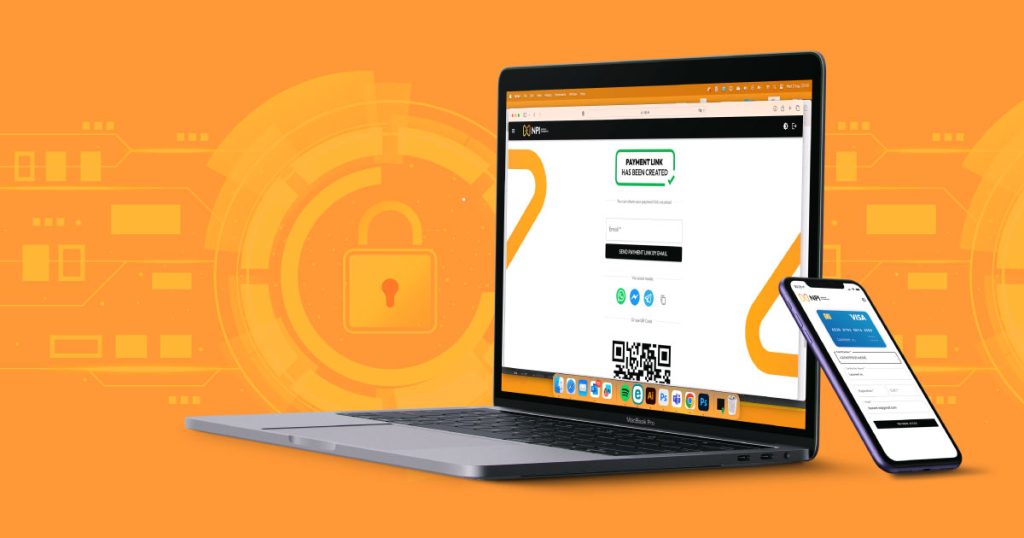
Payment gateway security is a crucial protection for businesses in Ireland. Essentially, it serves as a defense against cyber threats that businesses may encounter. As opposed to merely facilitating transactions, payment gateway security plays a pivotal role in ensuring the confidentiality and integrity of sensitive payment data. Until recently, businesses may have viewed payment gateway security as an afterthought, but it has now become a cornerstone of trust and reliability.
At New Payment Innovation, we know how crucial payment gateway security is. That’s why we ensure PCI compliance for all our merchants. After all, running a business is hard enough.
If you’d like to know more about how we ensure payment gateway security for our merchants – or anything else about our services – give us a call or fill out the contact form by clicking on the buttons below.
Contents
What is a Secure Payment Gateway?
Payment gateways specifically designed to ensure secure transactions play a pivotal role in online and virtual commerce. So long as businesses engage in digital transactions, payment gateways act as guardians of financial data, standing between the customer and potential cyber threats. What’s more, their significance extends beyond the surface, intertwining with PCI security standards to establish a comprehensive protective framework.
While traditional gateways facilitate transactions, modern secure payment gateways go above and beyond, employing advanced encryption protocols and authentication methods to safeguard sensitive information. This section explores the intricacies of payment gateways, shedding light on their indispensable role in ensuring the security and integrity of online financial transactions.
Key Features of Payment Gateway Security
Ensuring payment safety has become an issue of absolute importance for businesses who wish to protect their and their customers’ sensitive information and transaction details. A secure payment gateway is a solution that transforms the way businesses approach online transactions.
Provided that businesses prioritise security, a secure payment gateway becomes the key for maintaining the integrity and confidentiality of payment information. Though tit may seem like a simple interface, the technology behind a secure payment gateway is intricate, employing advanced encryption and authentication methods to thwart potential threats.
Below are key features of payment gateway security that will help protect data and transactions:
Encryption
Secure payment gateways prioritise encryption, using protocols like SSL and TLS to safeguard sensitive payment data during transmission. These protocols ensure that data travelling between the customer’s browser and the payment gateway remains secure, shielding it from interception or tampering. Without a doubt, payment security is at the forefront of these encryption measures.
Tokenisation
Enhancing payment security, many secure gateways provide tokenisation services. Tokenisation replaces sensitive payment data with unique tokens that hold no value if compromised. This not only safeguards customer data but also reduces the risk of data breaches and simplifies PCI DSS compliance for businesses. In the long run, adopting tokenisation significantly contributes to a more secure and resilient payment infrastructure.
Authentication and Fraud Prevention
Secure payment gateways employ various authentication methods, including CVV/CVC checks, 3D Secure, and biometric authentication. These methods verify customer identity and thwart unauthorised transactions. Additionally, advanced fraud detection and prevention systems, utilising machine learning, behaviour analysis, and risk scoring, identify and block fraudulent transactions in real time. Given that fraud prevention is an ongoing challenge, a robust authentication framework is essential for maintaining the integrity of online transactions.
Compliance with Industry Standards
Adhering to industry standards, secure payment gateways ensure the maintenance of a secure environment for processing, storing, and transmitting cardholder data. This relieves businesses from the burden of fulfilling these requirements independently. Otherwise, businesses may face regulatory challenges and compromise the security of their payment processes.
Uptime and Reliability
To allow customers to complete transactions without interruptions, a secure payment gateway must maintain high uptime and reliability. Achieving this involves regular monitoring, redundancy measures, and a robust infrastructure, enabling the gateway to consistently process transactions securely and efficiently. Generally, businesses can trust that a secure payment gateway prioritises uptime and reliability, ensuring a seamless and secure payment experience.
Threats to Payment Gateway Security
Initiating online transactions has become second nature for many, but what often remains on the sidelines of digital interactions are the potential threats to payment gateway security. In effect, as our reliance on secure gateways grows, so does the need for heightened awareness of the looming risks. On one hand, the seamless experience provided by a payment gateway may create a sense of security. However, it is important to acknowledge the vulnerabilities that exist.
Owing to the ever-evolving cyber threats, payment gateway security is a dynamic necessity. Meanwhile, understanding and actively addressing these threats has become paramount for businesses and consumers alike. Taking extra care to be aware of these threats will help protect sensitive information, ensuring a secure and trustworthy environment for online transactions.
Data Interception
Hackers may attempt to intercept data during transmission between the customer’s browser and the payment gateway. This can include stealing sensitive payment information, such as credit card details. Not only does this pose a direct threat to customer privacy and financial security, but it also highlights the imperative need for robust encryption protocols to safeguard against such malicious activities.
DDoS Attacks
Distributed Denial of Service (DDoS) attacks can overwhelm a payment gateway’s servers with a massive volume of traffic, rendering the service unavailable and disrupting transactions. On the other hand, such attacks not only impact the availability of the service but also underscore the necessity for scalable and resilient infrastructure to withstand simultaneous access attempts, ensuring uninterrupted service for legitimate users.
Phishing Attacks
Cybercriminals may use phishing emails or fake websites to trick customers into entering their payment information, which can then be exploited for fraudulent transactions. Such attacks, different from direct data interception, rely on manipulating user behavior. Recognising and educating users about these threats is crucial, not to mention implementing multi-layered authentication processes to mitigate the risk of unauthorised access.
Malware and Skimming
Malicious software can infect a customer’s device and capture payment data during online transactions. Physical card skimming devices can also be placed on point-of-sale terminals to steal card information. Simultaneously, protecting against malware requires not only robust antivirus measures on user devices but also vigilant monitoring and regular security updates on payment gateway systems to detect and prevent potential breaches.
Insider Threats
Employees with access to payment gateway systems can pose a threat by intentionally or unintentionally compromising security. This includes mishandling data or sharing login credentials. In contrast to external threats, insider threats highlight the importance of not only technological safeguards but also stringent access controls, employee training, and monitoring to prevent and detect potential breaches from within.
SQL Injection
Attackers may attempt to exploit vulnerabilities in a payment gateway’s database by injecting malicious SQL code, potentially gaining unauthorised access to sensitive data. Such attacks, subsequently, underline the significance of regularly auditing and fortifying database structures to prevent exploitation. In contrast to external attacks, SQL injections often target the heart of the payment system’s data storage.
Man-in-the-Middle Attacks
Attackers position themselves between the customer and the payment gateway, intercepting and altering data exchanged between the two parties. Not only does this compromise the integrity of the data exchanged, but it also emphasises the need for secure communication channels and cryptographic protocols to thwart such interference.
Brute Force Attacks
Hackers use automated tools to repeatedly guess login credentials, attempting to gain unauthorised access to payment gateway accounts. On the whole, protecting against brute force attacks necessitates not only robust password policies but also mechanisms like account lockouts and multi-factor authentication to thwart repeated access attempts.
Zero-Day Exploits
These are attacks that target vulnerabilities in software or systems before the vendor has a chance to release a patch, leaving the payment gateway exposed to exploitation. On the other hand, addressing zero-day exploits requires not only prompt vendor response but also continuous monitoring and rapid deployment of security patches to mitigate potential risks.
Inadequate Security Practices
Failing to implement security best practices, such as weak encryption, poor access control, or insufficient system monitoring, can leave payment gateways vulnerable to various threats. Such lax security practices, in contrast to proactive measures, underscore the importance of a comprehensive security strategy, including regular security audits, employee training, and adherence to industry. standards like PCI DSS.
Achieving Payment Gateway Security: PCI DSS Compliance
Payment Card Industry Data Security Standard (PCI DSS) is a set of security standards designed to ensure the secure handling of payment information during online transactions. Achieving PCI DSS compliance is paramount for businesses, significantly contributing to the establishment of a safe payment gateway environment. Despite the complexity of the standards, adherence is essential to maintaining payment security and, at the very least, safeguarding sensitive customer data.
To achieve PCI DSS compliance, businesses must follow a series of steps. Even if the process may seem daunting, the benefits provided by a safe payment gateway environment make it worthwhile. Provided that businesses prioritise compliance, the steps include implementing robust data encryption, conducting regular security assessments, maintaining secure network configurations, and ensuring the proper handling of customer data. Through these measures, businesses not only meet regulatory requirements but also significantly enhance the overall security posture of their payment systems.
The Future of Payment Gateway Security
As technology continues to advance, the future of payment gateway security holds both challenges and exciting opportunities. The industry is adapting to evolving threats by exploring emerging technologies and trends that promise to revolutionise the way online transactions are secured. Even if new threats arise, the continuous pursuit of innovative solutions ensures that payment security remains at the forefront of the digital landscape.
One of the emerging technologies in payment security is the integration of biometric authentication, providing an additional layer of protection. Despite the challenges, the industry is actively exploring ways to implement these technologies securely. At least, the focus on biometrics and other advancements, such as machine learning and artificial intelligence, promises to enhance the robustness of payment gateway security. Businesses must adapt and embrace these changes to stay ahead of the curve and ensure the continued safety of online transactions.
NPI’s Approach to Payment Gateway Security and Payment Services
NPI’s commitment to innovation and customer-centricity means we’re not just another payment provider – we’re the best merchant service provider in Ireland. Whether you’re a business looking for diverse payment methods, integration with your existing systems, or real-time insights, we’ve got you covered. Here’s how we do merchant services:
Face to Face
For businesses that rely on the stability and familiarity of traditional card transactions, NPI offers seamless card reader options, including wired, wireless, and mobile. These methods ensure you can accept payments securely through trusted and established channels.
In an era where speed and convenience are paramount, NPI embraces advanced technology for your face-to-face transactions. Our solutions, including contactless payments and customised, complete EPOS systems, enable quick and secure transactions. Customers can simply tap their cards or mobile devices for swift and hassle-free payments, whether they’re shopping in a store or at a vendor’s stall.
Recognising the growing importance of mobile payments, NPI empowers businesses to tap into the mobile-centric world. With our card machines for business, you can offer customers the flexibility to pay with smartphones, digital wallets, and cards, making the payment process both efficient and user-friendly.
Online
NPI understands the importance of streamlining safe online payments for businesses and ensuring a secure and convenient experience for customers.
Our integrated solutions are designed to seamlessly connect with a wide range of e-commerce platforms and payment gateways. This means that whether you’re a business looking to accept online payment or a customer making a purchase, the process is straightforward and secure.
For businesses, NPI’s integration with e-commerce platforms allows for a hassle-free setup, enabling you to accept payments on your website or digital storefront. Our system effortlessly manages the flow of transactions, ensuring a smooth experience for your customers.
Over the Phone
Our virtual payment terminals are at the heart of over-the-phone payments. They provide a secure platform where businesses can process transactions remotely. This is especially useful for businesses that offer services or sell products over the phone, through catalogues, or via email. By using virtual terminals, you can efficiently handle card transactions from anywhere, enhancing convenience and accessibility for your customers.
Furthermore, security is paramount in over-the-phone transactions, and NPI takes this responsibility seriously. Our systems are designed to ensure the utmost security for both businesses and customers. Card data is handled with care, and our virtual payment terminals adhere to industry standards for secure payments.
You can learn how to take card payments over the phone here.
Contact NPI Today
Explore the NPI difference by getting in touch with our expert team. We’re here to provide guidance, valuable insights, and tailored solutions that align with your unique needs and goals. Reach out to us at 01 4475299. Or, fill out the contact form, and one of our payment gurus will get back to you.
Want to see our EPOS systems and card machines for yourself? Come down to our Citywest HQ and look around the Experience Suite.
Secure Payment Gateway: FAQs
What is the significance of payment gateway security for online transactions?
Payment gateway security is crucial for safe online payments and secure transactions. Not only does it ensure the confidentiality of sensitive information, but it also contributes significantly to overall payment safety.
How do secure payment gateways protect against unauthorised access?
Secure payment gateways employ advanced encryption protocols and authentication methods, particularly two-factor authentication, to thwart unauthorised access and enhance the security of online transactions.
Are all payment gateways PCI DSS compliant?
Generally, reputable payment gateways prioritize PCI DSS compliance, which is a set of industry standards ensuring the safe handling of payment data. Choosing a PCI DSS compliant gateway is indeed essential for secure transactions.
What role does encryption play in payment gateway security?
Encryption is a cornerstone of payment safety. It ensures that data transmitted between the customer’s browser and the payment gateway remains secure, protecting it from interception or tampering.
How do businesses ensure the security of customer data during online transactions?
Businesses implement not only robust payment gateways but also secure network configurations, regular security assessments, and compliance with industry standards like PCI DSS. This approach significantly contributes to the security of customer data.
Are biometric authentication methods a secure option for online payments?
Biometric authentication adds an extra layer of security to online transactions. While challenges exist, particularly in implementation, the industry is actively exploring this technology to enhance payment safety.
Can businesses adapt to emerging threats in the payment industry?
Indeed, businesses can adapt by staying informed about evolving threats and embracing innovative solutions. The continuous pursuit of advancements, often driven by industry collaboration, ensures a proactive approach to maintaining secure online payment environments.
How do payment gateways protect against phishing attacks?
Payment gateways often incorporate measures like two-factor authentication and user education to mitigate the risk of phishing attacks. These strategies not only protect against unauthorized access but also enhance payment safety.
What steps should businesses take to achieve PCI DSS compliance?
Businesses should implement secure data encryption, conduct regular security assessments, maintain secure network configurations, and ensure proper handling of customer data. These steps not only ensure PCI DSS compliance but also contribute significantly to payment safety.
How do payment gateways address the risk of insider threats?
Payment gateways address insider threats by implementing stringent access controls, providing employee training, and monitoring system activities. On the other hand, a comprehensive security strategy helps businesses detect and prevent potential breaches from within.